Disclosure: As an Amazon Associate, we earn from qualifying purchases at no extra cost to you.
The thing is, golden beets themselves aren’t a scam. They do have betalains and other compounds that research suggests can help with inflammation and endurance. But here’s where it gets messy: how you prepare them, when you drink it, and what you’re actually expecting to happen—that’s where people lose the plot.
I’ve watched clients spend two weeks making this juice daily, waiting for some magical inflammation drop, and then abandon it because it didn’t work. Not because golden beets don’t work. Because they were doing five things wrong at once.
Last updated: May 2026 — Alex Turner, NASM-CPT
“The recovery supplement industry has convinced you that complexity equals effectiveness. Golden beets are almost aggressively simple. But that simplicity only works if you’re not also doing five other things wrong.”
Mistake #1: You’re Cooking It
Verified bestsellers · Real customer reviews
This one kills me because it’s the most obvious thing nobody actually does.
Most recipes online tell you to juice golden beets, then heat it, then store it. Sometimes they suggest blending it with warm water. Some even recommend simmering it. And here’s the problem: betalains—the compounds actually responsible for the anti-inflammatory effects—start breaking down at around 50°C (122°F). They don’t slowly degrade. They collapse.
A 2015 study from the Journal of Functional Foods found that raw beetroot juice retained 95% of its betalain content. After heating to 70°C? Down to 30%. After 80°C? Almost nothing left.
So when you’re making “golden beet juice” by boiling them, blending them with hot water, or leaving it on your counter at room temperature for more than a few hours, you’re basically making beet-flavored water.
What actually works: Cold-pressed juice or a high-speed blender with raw beets, consumed within 2-4 hours of preparation. If you can’t drink it that fast, freeze it immediately in ice cube trays. Thaw it in the fridge when you’re ready.
Mistake #2: You’re Using Canned or Pasteurized Juice
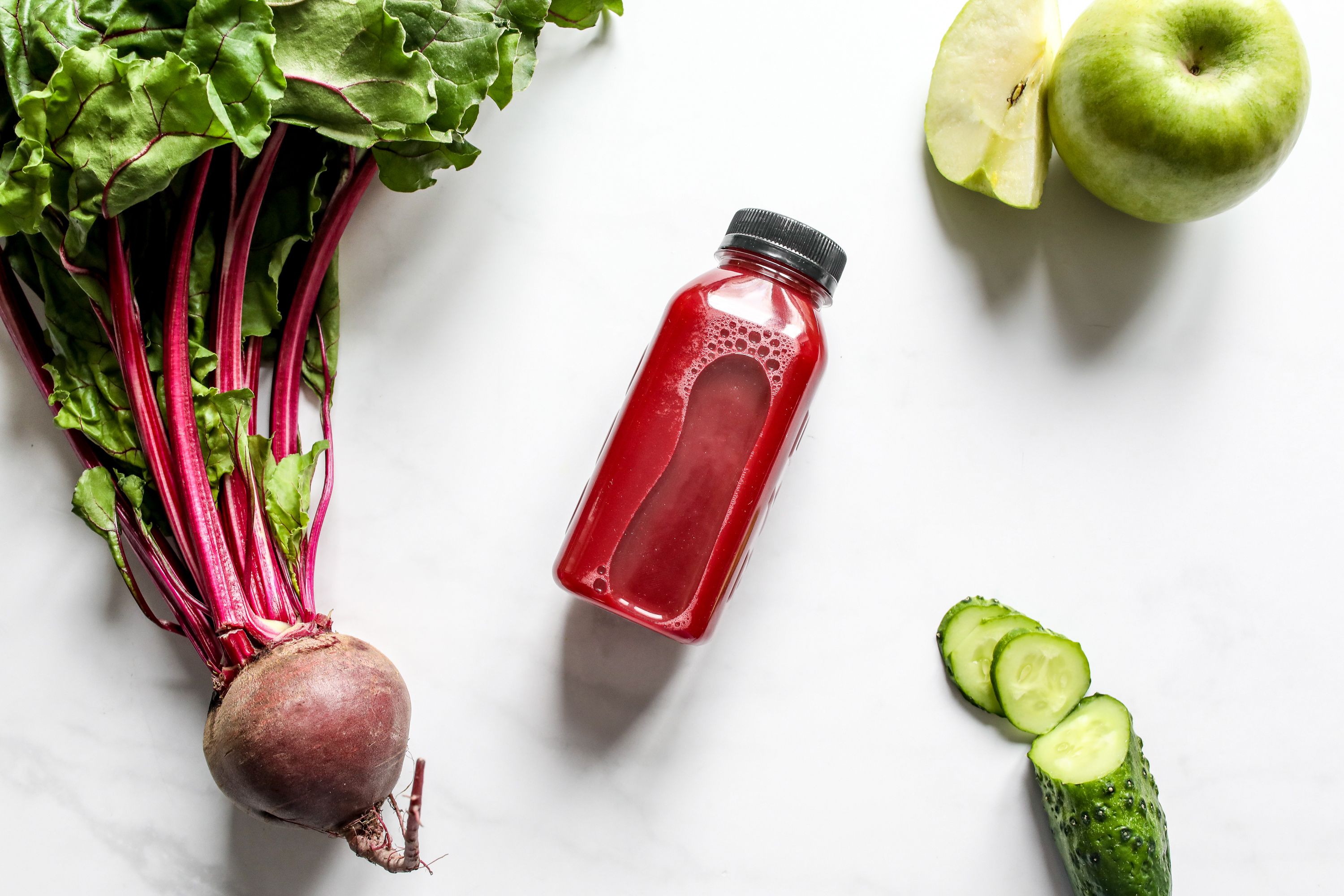
This is the shortcut version of mistake #1, and it’s even more common because it’s convenient.
Canned golden beet juice, or anything that’s been heat-treated for shelf stability (which includes basically all store-bought juice), has already gone through pasteurization. That’s done specifically to kill bacteria and make it shelf-stable. It also kills 60-80% of the betalains.
But here’s what people do: they see a bottle that says “golden beet juice” at Whole Foods, think “perfect,” buy six bottles, and then wonder why they’re not recovering better. Because you just paid $4-6 per bottle for glorified sugar water with some beet flavor.
What actually works: Cold-pressed fresh juice from a local juice bar, or make it yourself at home that day. That’s it. If you can’t access either, you’re honestly better off eating whole roasted golden beets and getting whatever benefit you can. At least you get fiber.
Mistake #3: You’re Drinking It at the Wrong Time
Timing matters more than people think here.
Golden beet juice works by increasing nitric oxide production, which improves blood flow and oxygen delivery to muscles. This happens best when you need it—either shortly before intense training or within a few hours after to support recovery. But most people just drink it whenever, like it’s just another beverage.
If you drink it six hours before a workout, you’ve missed the performance window. If you drink it two days after training when you’re already fully recovered, congratulations, you wasted it.
The research (including studies from the American Journal of Clinical Nutrition) shows the sweet spot is 200-500ml consumed 2-4 hours before intense exercise, or within 2-3 hours post-workout.
What actually works: If you’re training hard (real intensity, not a casual walk), drink golden beet juice on training days, 2-4 hours before your session. That’s it. Don’t drink it daily hoping it’ll just always help. It works because of timing and intensity matching, not constant consumption.
Mistake #4: You’re Not Accounting for Dose or Expecting Instant Magic

The effective dose for golden beet juice is specific. And no, “some juice” isn’t a dose.
Most of the research that shows actual benefits is based on 200-500ml of juice consumed once before or after training. That’s roughly 8-17 ounces. Not a tiny sip. Not a gallon. A specific amount.
Here’s what happens: someone makes a small glass of golden beet juice expecting to feel like they grew wings. They feel nothing immediately. So they assume it doesn’t work.
Real talk? Golden beet juice doesn’t work like that. The effects are subtle. You’re not going to feel “energized” or get an instant pump. What you might notice after 2-3 weeks of consistent pre-workout use is slightly better endurance, better recovery on heavy days, or faster heart rate recovery post-exercise. Measurable but not dramatic.
If someone promises you that golden beet juice will transform your recovery overnight, they’re selling you a story that the research doesn’t support.
Mistake #5: You’re Treating It Like a Replacement for Actual Recovery
This is the mental mistake that matters most.
Golden beet juice can support recovery. But “support” is the key word. It’s not a substitute for sleep, protein intake, or training structure. I’ve had people drink golden beet juice daily while sleeping 5 hours a night and eating 80g of protein. Then they’re confused why they don’t recover better.
The hierarchy is: sleep first, then nutrition, then training structure, then supplementation. Golden beet juice lives in that fourth category. It’s useful within that context. It’s useless if the first three are broken.
What actually works: Golden beet juice as an addition to a solid foundation. If you’re sleeping 7-9 hours, eating enough protein (0.7-1g per lb of bodyweight), and doing reasonable training, then yes—adding 250ml of golden beet juice 2-4 hours before or after intense training days can provide a measurable 2-5% performance or recovery edge.
But if you’re ignoring sleep, undereating, and hoping juice will fix it? You’re wasting your time and money.
How to Actually Make Golden Beet Juice (The Way That Works)
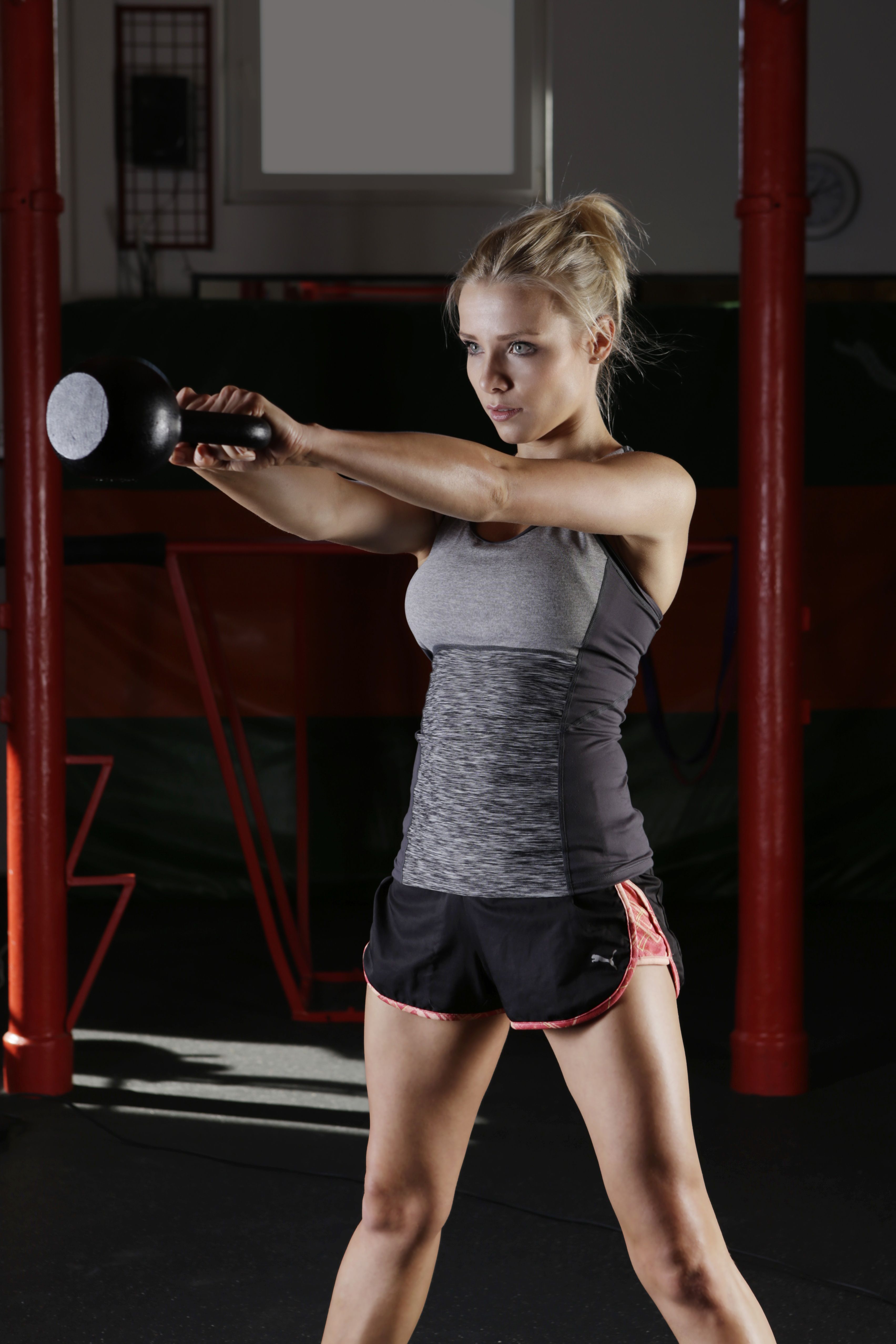
That’s the entire process. Nothing complicated. Nothing expensive if you’re making it fresh. The complexity people add is the problem.
- ✓ Raw juice only—heat destroys betalains by 60-80%
- ✓ Timing is critical—2-4 hours before/after training, not random
- ✓ Dose matters—250-500ml minimum, not tiny sips
- ✓ It’s a supplement, not a recovery hack—sleep and protein come first
- NOWCheck your current recovery habits—are you sleeping 7+ hours? Getting 0.7g protein per lb bodyweight? If not, fix those before adding juice.
- THIS WEEKBuy 3-4 organic golden beets, make fresh juice one day before an intense training session, drink 250ml 2-3 hours before. Track your heart rate recovery and next-day soreness.
- 30 DAYSIf you make it properly and time it right, expect 2-5% better endurance on repeat sets and noticeably faster heart rate recovery. Not dramatic. Not magic. Real.
Questions I get all the time
Does golden beet juice actually work for inflammation?
Research suggests betalains reduce inflammatory markers (C-reactive protein, TNF-alpha) by 10-15% in people doing intense training. That’s real but not dramatic. It’s most noticeable if you’re training hard enough that inflammation is actually a problem. Casual exercisers won’t feel much.
Can I use red beets instead?
Red beets have betalains too, just different ratios. Golden beets have slightly higher nitrate content (which is what increases blood flow), so they’re technically better. But red beets work too. The difference is maybe 10-15%. Don’t wait for perfect if you have access to red beets right now.
Should I add anything to the juice?
Apple helps with taste. Ginger is fine. Lemon is fine. Avoid honey or added sugar—you’re already getting natural sugars from the beets. Don’t add protein powder or other supplements—keep the juice pure so you know what you’re actually consuming.
How long does homemade juice last?
Fresh in the fridge: 2-4 hours maximum. Frozen: 2 weeks. After that, betalain degradation becomes too significant to matter. Plan batches accordingly.
Is fresh juice worth the effort compared to buying it?
Yes. A fresh batch takes 5 minutes. Store-bought pasteurized juice costs $5-6 per bottle and has lost 60-80% of the active compounds. Make it fresh once and you’ll see the difference. Plus, you control the quality.
Can I drink it if I’m not training hard?
You can, but you probably won’t notice anything. The benefits show up when you’re actually stressing your system with intense training. On rest days, it’s just juice.
Will this help if I’m not sleeping enough?
No. Sleep is non-negotiable for recovery. Golden beet juice amplifies an already-solid foundation. It doesn’t replace sleep, ever. Get your sleep right first.
💬 Drop a comment below
Have you tried making golden beet juice before and had a different experience? Or are you going to try the method above? I genuinely want to know what happens when you actually do this right, because most people never will.
8 Years Experience · Home Fitness Expert
Alex is a NASM-certified personal trainer who has helped thousands of beginners build lasting fitness habits at home — no gym required. His no-fluff approach focuses on what actually works for real people with busy lives. Find his recommended gear at Aura Heaven.
📧 Get Weekly Tips — Free
Join thousands of readers getting honest, research-backed advice every week. No spam, ever. Unsubscribe anytime.