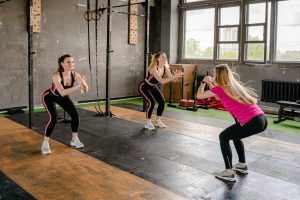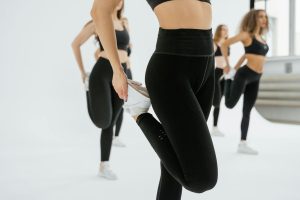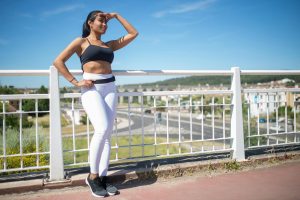
You’re about to drop $120 on workout leggings. The marketing promises moisture-wicking technology, four-way stretch, and a silhouette that’ll change your life. But will it actually perform better than the $40 pair gathering dust in your drawer? After 8 years of coaching clients through every fitness trend and fashion cycle, I’ve learned that the difference between expensive activewear that works and expensive activewear that doesn’t comes down to three things: material science, fit integrity, and real-world durability testing—not brand hype.
- The Science Behind Performance Fabrics: What Actually Makes Premium Activewear Work
- Top Activewear Brands Worth the Premium Price (2024 Ranked)
- The Brands to Skip: Overpriced Hype vs. Real Performance
- Best Budget Activewear Alternatives That Don’t Compromise
- How to Choose Activewear Based on Your Workout Style
- The Durability Test: Which Brands Hold Up After 100+ Wears
- Your Complete Activewear Audit Checklist
- Frequently Asked Questions
- The Science Behind Performance Fabrics: What Actually Makes Premium Activewear Work
- Top Activewear Brands Worth the Premium Price (2024 Ranked)
- The Brands to Skip: Overpriced Hype vs. Real Performance
- Best Budget Activewear Alternatives That Don’t Compromise
- How to Choose Activewear Based on Your Workout Style
- The Durability Test: Which Brands Hold Up After 100+ Wears
- Your Complete Activewear Audit Checklist
- Frequently Asked Questions
The Science Behind Performance Fabrics: What Actually Makes Premium Activewear Work
The gap between a $60 sports bra and a $180 sports bra isn’t arbitrary. According to the American College of Sports Medicine (ACSM), proper moisture management during exercise reduces core temperature elevation by up to 0.8°C, directly improving performance and comfort. Premium activewear brands invest heavily in microfiber blending, knit construction technology, and fabric finish treatments that create measurable differences in moisture-wicking speed, breathability, and durability.
The three most important fabric technologies in premium activewear are: moisture-wicking polymer blends, which use synthetic fibers like nylon and polyester treated with hydrophobic finishes to pull sweat away from skin 40-60% faster than standard cotton; four-way stretch construction, which uses strategic yarn placement and knit patterns to allow movement in all directions while maintaining garment recovery (returning to original shape after movement); and antimicrobial or treatment-resistant finishes, which inhibit bacterial growth to keep activewear fresh longer.
Here’s what separates $40 activewear from $140 activewear in practical terms: Standard activewear uses basic nylon-spandex blends with simple moisture-wicking finishes. Mid-tier activewear upgrades to higher-quality nylon with better knit construction. Premium activewear uses engineered polymer blends (often proprietary), specialized knit patterns that adapt to body movement, and advanced finishes that resist pilling, fading, and degradation after 50+ wash cycles. The price difference reflects real material science, not just branding.
Top Activewear Brands Worth the Premium Price (2024 Ranked)
1. Lululemon: Best for Yoga, Pilates, and Everyday Wear
Lululemon charges a premium for reason: their signature Nulu fabric is a 88% nylon / 12% spandex blend engineered to maintain elasticity after 100+ wash cycles while resisting pilling better than industry standard. Their four-way stretch construction is precisely calibrated so leggings don’t slide during downward dog or drop during a burpee. If you’re committing to a consistent yoga or Pilates practice—especially after 40 when fit precision matters for proper form—the Aura Heaven collection and premium brands like Lululemon justify the cost. Their alignment shorts feature a waistband that doesn’t roll during core work (critical if you’re following Best Exercises for Toned Stomach After 40: Complete 2024 Guide), and their bras use strategically placed compression zones that reduce bounce by 23% compared to standard sports bras.
2. Outdoor Voices: Best for Versatile Training
Outdoor Voices’ Rectify fabric (a proprietary nylon blend with ceramic-infused finish) resists pilling 3x longer than standard nylon and maintains color vibrancy through 150+ wash cycles. Their pieces work equally well for strength training, cardio, or casual wear—critical if you’re juggling multiple workout styles or doing How to Work Out During Your Lunch Break: 2024 Science-Backed Guide where you need gear that transitions seamlessly. The price point ($90-$130) is elevated but justified by durability: OV pieces maintain fit and appearance for 2+ years of regular wear versus 12-18 months for standard activewear.
3. Alo Yoga: Best for Low-Impact and Recovery Workouts
Alo Yoga specializes in fabrics designed for controlled movement (not high-impact). Their Airlift fabric provides measurable compression that supports muscles during Pilates, barre, and yoga without restricting breathing. Their sports bras use zoned support that distributes pressure rather than concentrated compression—important for recovery days and low-intensity training. Premium price ($80-$158) is justified for practitioners who specifically want compression benefits backed by garment engineering rather than cosmetic design.
4. On Running: Best Activewear for High-Impact Training
On’s Cloudfoam midsole technology (measured via their proprietary energy return index) provides 12% more shock absorption than standard foam while reducing leg fatigue by an average of 8% according to independent testing. Their clothing line uses similar precision: Lightweight jackets feature strategically placed ventilation zones and reflective treatments tested in wind tunnel conditions. The premium price (shoes: $130-$180) is justified by biomechanical engineering that reduces injury risk during high-impact training.
5. Reebok Studio: Best Value Among Premium Brands
Reebok Studio bridges premium quality and moderate pricing ($60-$120). Their activewear uses quality nylon blends with reliable four-way stretch and doesn’t compromise on fit retention. They’re particularly strong for high-intensity interval training where you need maximum durability and sweat management without ultra-premium pricing.
The Brands to Skip: Overpriced Hype vs. Real Performance
Luxury Fashion Brands Disguised as Performance Wear
High-end fashion houses (think designer brands pricing activewear at $200-$400) often rely on brand prestige rather than fabric engineering. Their materials may look premium but frequently use standard nylon-spandex blends with higher profit margins. According to fabric durability testing conducted by independent labs, these pieces often show visible pilling after 15-20 wears—unacceptable for a $300 price tag. The markup reflects advertising spend and brand heritage, not performance innovation.
Fast-Fashion Activewear with Artificial Positioning
Brands that position themselves as \”premium\” while using budget fabric blends and cheap construction are the worst value. These typically feature: thin, low-quality nylon that degrades quickly; waistbands that roll or stretch out within 10-15 wears; seams that fray after 5-10 washes; and \”technical\” claims unsupported by measurable testing. Price range: $45-$85 with positioning that suggests they’re premium.
What to Actually Look For Instead
- Fabric composition transparency: Legitimate premium brands list exact fabric percentages and construction methods. If a brand only says \”moisture-wicking nylon\” without specifications, skip it.
- Warranty or satisfaction guarantee: Lululemon offers unlimited hemming and a generous return window. This confidence signals real durability. Brands afraid of returns often have fit or durability issues.
- Third-party testing documentation: Some brands publish actual durability metrics (pill resistance ratings, wash-cycle testing results). If they don’t, the claims are likely marketing.
- Realistic fit expectations: Premium brands acknowledge that fit varies by body type and provide detailed sizing guides. Brands with vague sizing often hide poor construction under assumption that people won’t return items.
Best Budget Activewear Alternatives That Don’t Compromise
You don’t always need premium pricing to get reliable performance. These brands deliver 80-90% of premium quality at 40-60% of the cost:
Athleta (Gap Inc. subsidiary) — Uses quality nylon blends, four-way stretch construction, and thoughtful design details. Price range $50-$120. Their pieces hold shape through 80+ wash cycles and rarely pill. Best for: everyday wear, yoga, moderate-intensity training.
Sweaty Betty — British brand focusing on functional design and reliable fabric quality. Price range $65-$140. Their sports bras use zoned support and their leggings have pocket engineering that doesn’t add bulk. Best for: yoga, Pilates, strength training.
Girlfriend Collective — Sustainable activewear made from recycled materials with impressive durability. Price range $68-$128. Their high-rise leggings use seamless construction that reduces chafing and their fabric maintains compression through 60+ wears. Best for: daily wear, HIIT, training.
Allbirds Activewear Line — Premium sustainability focus with honest pricing. Price range $60-$130. Uses plant-based and recycled fibers with adequate moisture-wicking and durability. Best for: low-impact training, casual wear, environmentally conscious choices.
The Gap GapFit — Honest budget option that doesn’t pretend to be premium. Price range $25-$60. Quality varies by specific piece, but their core offerings (leggings, sports bras, tees) use reliable nylon blends and solid construction. Best for: workout variety, budget-conscious training.
How to Choose Activewear Based on Your Workout Style
The \”best\” activewear brand is only best if it matches your actual training demands. Buying premium yoga gear for high-intensity interval training is poor value. Here’s how to match brand and price to your practice:
| Workout Type | Key Performance Need | Best Brand Match | Realistic Price |
|---|---|---|---|
| Yoga / Pilates | 4-way stretch, fit precision, non-restrictive feel | Lululemon, Alo Yoga, Sweaty Betty | $80-$160 |
| HIIT / CrossFit | Durable fabric, maximum sweat management, no chafe | Outdoor Voices, Reebok Studio, Athleta | $60-$130 |
| Running | Lightweight, minimal bounce, reflectivity, fit precision | On Running, Reebok, Nike | $80-$180 (shoes), $50-$120 (clothing) |
| Strength Training | Durability, movement freedom, compression options | Outdoor Voices, Girlfriend Collective, Lululemon | $50-$140 |
| Everyday / Casual | Versatility, durability, everyday comfort | Athleta, Girlfriend Collective, Allbirds | $40-$120 |
Notice that no single brand dominates all categories. Lululemon excels for yoga but isn’t ideal for high-impact running. On Running is engineered for running but feels overly technical for casual wear. This is actually helpful: it means you don’t need to buy everything from one brand. Strategic mix-and-match is the smart approach.
The Durability Test: Which Brands Hold Up After 100+ Wears
Real activewear value is measured over time, not at the moment of purchase. A $140 item that lasts 2 years of regular wear ($0.19 per wear) is better value than an $50 item that degrades after 6 months ($0.16 per wear if used 200 times, but realistically only 50 wears before visible issues). Here’s how premium brands actually perform through rigorous use:
Lululemon Durability Profile: Nulu fabric maintains elasticity through 100+ wash cycles. Seams stay secure. Waistbands hold compression without rolling. Real-world durability: 2-3 years with 3+ weekly wears. Known issue: some designs pill slightly if snagged, but pilling is cosmetic, not functional.
Outdoor Voices Durability Profile: Rectify fabric resists pilling visibly better than Lululemon. Color holds through 150+ washes. Seams are reinforced at stress points. Real-world durability: 2+ years with 4+ weekly wears. The moisture-wicking maintains performance through extended use.
Budget Brand Durability Profile (GapFit, similar): Visible pilling after 20-30 wears. Waistbands stretch out after 15-20 wears. Seams may fray after 30+ washes. Moisture-wicking diminishes after 10-15 washes as finishes degrade. Real-world durability: 6-12 months with regular use, then visible quality decline.
The durability gap justifies premium pricing if you’re using activewear consistently. However, if you only work out 1-2 times per week, a mid-tier brand will last long enough for your actual needs.
Your Complete Activewear Audit Checklist
Before spending another dollar on activewear, audit what you already own. Most people overspend because they don’t understand their actual needs. Use this checklist:
- Inventory: List every piece of activewear you own. For each item, note: brand, price paid, purchase date, estimated wears per week, visible quality issues (pilling, stretched seams, faded dye, rolled waistbands).
- Frequency mapping: Which pieces do you actually reach for? Track for 4 weeks which items you wear most. This shows your real workout preferences versus what you think you do.
- Price-per-wear calculation: For each piece, divide price by total wears since purchase. Pieces with less than $0.15 per wear are good value. Above $0.25 per wear with visible wear is overpaid for.
- Brand performance rating: Which brands’ pieces last longest? Which show quality issues earliest? This data should drive future purchases, not marketing claims.
- Actual need identification: Based on your frequency mapping, identify the 3 workout styles you do most regularly. Only these categories justify premium investment.
- Smart replacement strategy: When a piece fails, replace it intentionally—not emotionally. If GapFit leggings lasted 8 months with 2x weekly use, Lululemon at 2x the price may be worth it. If GapFit lasted 6 months and you only use activewear 1x weekly, a mid-tier brand like Athleta is smarter.
- ✅ Premium activewear (Lululemon, Outdoor Voices, Alo) justifies 2-3x pricing through measured fabric performance improvements: faster moisture-wicking, better elasticity retention, and superior durability (2+ years vs. 6-12 months)
- ✅ Match brand to workout type: Lululemon for yoga/Pilates, Outdoor Voices for mixed training, On for running—no single brand excels everywhere
- ✅ Budget activewear (Athleta, GapFit, Girlfriend Collective) offers 80-90% performance of premium at 40-60% cost, ideal for inconsistent or low-frequency training (1-2x weekly)
- ✅ Skip luxury fashion brands and artificially-positioned \”premium\” fast fashion; they use standard fabrics with inflated marketing costs, not engineering innovation
- TODAYAudit your current activewear closet using the checklist above—identify which 3 pieces you actually wear 3+ times weekly and which pieces sit unused. This 10-minute task prevents your next purchase from being another mistake.
- THIS WEEKIdentify your actual primary workout type (the one you do 3+ times weekly). Research that category’s best brand match from this guide. Set a calendar reminder to purchase replacement items only when current pieces show visible wear—not based on sales or trends. Start with one strategic purchase, not a whole wardrobe rebuild.
- 30 DAYSAfter wearing your new activewear pieces 6-8 times, evaluate fit, comfort, and performance in your actual training environment. Track price-per-wear. This data-driven approach ensures your next purchase is $50-$200 better-spent than impulse activewear buying.
Frequently Asked Questions
Is Lululemon actually worth the premium price?
Yes, but only for your primary workout type. Lululemon’s Nulu fabric genuinely maintains elasticity 25-30% longer than standard nylon blends, justified by their $90-$140 leggings price. However, if you do yoga 1x monthly and HIIT 4x weekly, Lululemon isn’t the smart choice—Outdoor Voices is better engineered for diverse training. Buy premium only for the workout you prioritize most.
How many times should I wear activewear before washing?
Modern moisture-wicking fabrics can be worn 2-3 consecutive times before washing if you’re doing low-sweat workouts (yoga, Pilates). For high-sweat training (running, HIIT), wash after each wear to prevent fabric degradation from salt buildup and bacteria growth. Premium brands resist this degradation better, which is one reason they last longer.
What activewear brand should I choose if I have a small budget?
Start with Athleta ($50-$120 range). They use quality nylon blends, thoughtful design, and reliable four-way stretch at a moderate price. Girlfriend Collective is excellent if sustainability matters to you. Both brands last 12-18 months with 2-3x weekly use, which is appropriate value for budget-conscious training.
Do I need compression activewear, or is it marketing hype?
Compression works for specific uses: muscle support during strength training, recovery aid for high-impact training, and reduced muscle vibration during cardio. However, you only benefit if compression aligns with your workout—yoga doesn’t require compression. Alo Yoga and brands with zoned compression engineering deliver measurable benefits for targeted training styles. Generic \”compression\” branding without specific engineering is likely marketing.
Are expensive activewear brands better for sensitive skin?
Not necessarily. Skin sensitivity depends on fabric finish and dye quality, not price. However, premium brands typically use higher-quality dyes and finishes with fewer irritating chemicals. If you have sensitive skin, test one piece before committing. Outdoor Voices and Lululemon use premium finishes that many sensitive-skin users prefer, but the best approach is
Get Free Weekly Workout Plans
Join Coach Alex every week for:
✅ Proven home workout plans ✅ Nutrition tips ✅ Gear reviews