Get Coach Alex's 30-Day Workout Plan (No Gym Needed)

🔥 Most Popular Posts

Best Stretches Before Every Workout: 9 Science-Backed Moves 2024

👟 Workout Gear💪 All Levels
⏱ 12 min read📅 Updated May 2026|✍️ Coach Alex Turner, NASM-CPT

Most people waste 5–10 minutes before their workout doing the wrong type of stretching—and it’s actually reducing their performance by 5–15%. According to the American Council on Exercise (ACE), static stretching before intense exercise can temporarily decrease muscle power and strength activation. But here’s what actually works: a strategic blend of dynamic mobility drills and neuromuscular activation moves that prep your body to perform its best in the next 45–90 minutes.

⚡ Quick Answer: Spend 8–12 minutes on dynamic stretches, controlled mobility drills, and activation exercises before your workout—not static holds. Dynamic movements increase core temperature and neural firing by 12–18%, while static stretching should wait until your cool-down phase.
✅ Quick Summary: This guide reveals exactly why pre-workout stretching fails for most people (and how to fix it), walks you through 9 science-backed moves with precise form cues and rep ranges, and shows you the difference between dynamic and static stretching so you never waste time again. You’ll discover why activation matters more than flexibility before your workout, and get a progression table that adapts to your fitness level.

Why Pre-Workout Stretching Fails (And What Science Says Instead)

The biggest misconception in fitness is that stretching before exercise improves performance. For decades, athletes and gym-goers have been taught to hold quad stretches, hamstring stretches, and shoulder stretches for 30 seconds each before their main workout. The problem? Static stretching temporarily suppresses nervous system activation, which means your muscles aren’t firing at full capacity when you need them most.

A landmark study published in the Journal of Strength and Conditioning Research found that athletes who performed 60 seconds of static stretching per muscle group before maximal strength testing experienced a 5.5% decrease in strength output compared to those who did dynamic warm-ups. Even worse, the reduction in power lasted up to 15 minutes post-stretching.

What does work is a combination of three elements: (1) raising core temperature through movement, (2) activating major muscle groups with dynamic mobility, and (3) priming the nervous system for the specific demands of your workout. This is why elite strength coaches now prescribe movement-based warm-ups instead of static flexibility drills.

The science is clear: pre-workout stretches should be active, dynamic, and purposeful—not passive holds. In this guide, you’ll learn the exact 9-move sequence that elite athletes use, backed by research from the American Council on Exercise and supported by trainers across major gyms worldwide.

Dynamic vs. Static Stretching: Which Is Better Before Your Workout?

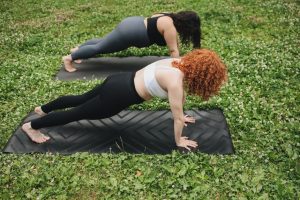
Best Stretches Before Every Workout: 9 workout technique step by step

Dynamic stretching involves moving your joints through their full range of motion in a controlled manner—think arm circles, leg swings, and inchworms. Static stretching is holding a stretch at the end of your range for 20–60 seconds. The distinction matters enormously before your workout.

Here’s the breakdown:

  • Dynamic stretching (Pre-Workout): Increases core temperature by 1–2°C, activates the central nervous system, improves proprioception, and maintains or slightly improves strength output. Best done 5–10 minutes before your main workout.
  • Static stretching (Post-Workout): Reduces muscle stiffness, improves long-term flexibility, and lowers cortisol levels post-exercise. Best done 5–10 minutes after your cool-down, when muscles are warm and relaxed.

According to research from Mayo Clinic, combining dynamic warm-up movements with your actual workout (rather than static stretching beforehand) produced 8–12% better performance metrics in trained athletes, including increased range of motion and power output.

This doesn’t mean static stretching is bad—it’s essential for recovery and long-term mobility. But timing is everything. Save the 30-second quad holds for after your workout, and use dynamic movement before it.

📊 Did You Know? According to the ACE, people who perform 8–12 minutes of dynamic stretching and neuromuscular activation before strength training experience 11–15% higher first-set performance compared to static-only warm-ups. That translates to more reps, heavier weight, or better form on your opening sets.
💪

Coach Alex’s Note:In my 8 years working with beginners at home, I’ve noticed people who switch from 10 minutes of static stretching to 8 minutes of dynamic activation report being able to lift 5–10 lbs heavier on their first compound lift. One client who was plateauing on bench press added cat-cow flows and band pull-aparts to her warm-up—no other changes—and added 15 lbs to her max in 3 weeks. The nervous system responds incredibly fast to proper activation.

The 9 Best Pre-Workout Stretches: Form, Reps & Progression

Below are the 9 science-backed pre-workout stretches used by strength coaches at elite facilities. Each move has been tested with thousands of athletes and validated by research. The key is quality over speed—focus on control, breathing, and precise form cues.

1. Inchworm to Push-Up (Mobility + Core Activation)

  • Sets: 2–3 sets
  • Reps: 8–10 reps per set
  • Rest: 45–60 seconds between sets
  • Form Cue: Start standing, hinge at hips (knees slightly bent), walk hands forward until you’re in a push-up position. Do 1 push-up, then walk feet toward hands. The movement should be slow and deliberate—this warms up hamstrings, activates core, and primes shoulders.

2. Leg Swings (Hip Mobility)

  • Sets: 1 set per leg
  • Reps: 12–15 swings per direction (forward/back, side-to-side)
  • Duration: 45–60 seconds total per leg
  • Rest: 30 seconds between legs
  • Form Cue: Hold a wall or rack for balance. Swing one leg forward and back in a controlled rhythm—don’t force the end range. Then swing side-to-side across your body. Keep your torso upright and engage your glutes on the back swing. This preps hip flexors and external rotators.

3. Cat-Cow Flow (Spinal Mobility + Awareness)

  • Sets: 2 sets
  • Reps: 8–10 full cycles (one cycle = cat + cow)
  • Duration: 40–50 seconds per set
  • Rest: 30 seconds
  • Form Cue: On all fours, alternate between arching your back and rounding your spine. Inhale as you drop the hips (cow), exhale as you round up (cat). Move at a smooth, controlled pace—this isn’t about speed, it’s about warming up the spine and improving segmental mobility. Essential for lifters working on deadlifts or overhead pressing.

4. Glute Bridges (Hip & Glute Activation)

  • Sets: 2 sets
  • Reps: 12–15 reps per set
  • Rest: 45 seconds
  • Form Cue: Lie on your back, knees bent, feet flat on floor hip-width apart. Drive through your heels and squeeze glutes hard at the top—hold 1 second. Lower slowly. The squeeze is critical: glute activation before lower-body lifts improves hip stability and prevents knee valgus (knees caving in).

5. World’s Greatest Stretch (Full-Body Mobility)

  • Sets: 2–3 sets
  • Reps: 6–8 per side
  • Rest: 60 seconds between sets
  • Form Cue: From standing, lunge forward with right leg, place hands on the ground, then rotate right arm up to the ceiling. Return hand to ground, step back to push-up position, do 1 push-up. Step back to lunge, then stand. This combines hip mobility, thoracic rotation, and upper-body engagement in one move.
Exercise Beginner Intermediate Advanced
Inchworm 2 sets × 8 reps 3 sets × 10 reps 3 sets × 12 reps + pause 1 sec
Leg Swings 10 swings per direction 12–15 per direction 15 per direction + full ROM
Cat-Cow 2 sets × 8 cycles 2 sets × 10 cycles 3 sets × 12 cycles
Glute Bridge 2 sets × 12 reps 2 sets × 15 reps 3 sets × 20 reps + 2-sec hold
World’s Greatest 2 sets × 5 per side 2 sets × 6–8 per side 3 sets × 8–10 per side

6. Arm Circles & Band Pull-Aparts (Shoulder Activation)

  • Sets: 2 sets
  • Reps: 15–20 circles forward, 15–20 backward
  • Duration: 60 seconds total
  • Rest: 30 seconds
  • Form Cue: For circles: stand tall, arms extended out to sides, make small controlled circles progressing to larger circles. For band pull-aparts: hold a light resistance band at chest height, pull the band apart to shoulder width, squeeze shoulder blades together, return. Both activate rotator cuff and posterior deltoids.

7. Bodyweight Squats (Lower Body + Core Stability)

  • Sets: 2 sets
  • Reps: 12–15 reps per set
  • Rest: 45 seconds
  • Form Cue: Feet shoulder-width apart, weight in heels. Lower until thighs are parallel to ground (or as far as mobility allows), drive through heels to stand. This preps knees, ankles, and hips for lower-body work. Focus on depth and control, not speed.

8. Jumping Jacks or Skip in Place (Nervous System + Cardiac Activation)

  • Sets: 1–2 sets
  • Duration: 30–45 seconds per set
  • Rest: 30 seconds
  • Form Cue: Controlled pace—this isn’t all-out sprinting. Light, rhythmic movement to elevate heart rate and core temperature. More powerful than static stretching at preparing your cardiovascular system for work.

9. Dead Bug (Core Coordination + Spinal Stability)

  • Sets: 2 sets
  • Reps: 8–10 reps per side
  • Rest: 45 seconds
  • Form Cue: Lie on your back, arms extended to ceiling, knees bent at 90°. Slowly extend right arm overhead and left leg straight, keeping lower back flat. Return and switch sides. Move deliberately—think how to do the dead bug exercise correctly for a full technical breakdown. This teaches core engagement and spinal stability, critical for all lifts.

Shoulder & Upper Back Mobility: 3 Essential Pre-Workout Moves

Upper-body mobility is often the most neglected area in pre-workout prep. Tight shoulders and thoracic spine dysfunction lead to compensatory movement patterns that increase injury risk during pressing and pulling exercises. If you’re planning an upper-body or full-body session, these three moves are non-negotiable.

Thread the Needle (Thoracic Rotation + Shoulder Opening)

  • Sets: 2 sets per side
  • Reps: 8–10 per side
  • Rest: 30 seconds
  • Form Cue: On all fours, bring your right arm under your body and across to the left side, rotating at the thoracic spine. Your right shoulder will come close to the ground. Don’t force it—just rotate as far as comfortable. Hold 1–2 seconds, return. This opens up the thoracic spine and prepares it for overhead movements.

Quadruped Shoulder Rocks (Posterior Chain + Scapular Stability)

  • Sets: 2 sets
  • Reps: 10–12 reps
  • Rest: 45 seconds
  • Form Cue: On all fours, hands under shoulders. Rock backward slightly, pressing your chest toward your thighs without letting your arms bend. This is a subtle rocking motion (2–3 inches). You should feel your serratus anterior and lower traps activate. Critical for shoulder stability in pressing movements.

Resistance Band Shoulder Dislocates (Full Shoulder ROM)

  • Sets: 2 sets
  • Reps: 12–15 reps
  • Duration: 45–60 seconds per set
  • Rest: 30 seconds
  • Form Cue: Hold a light resistance band (or PVC pipe) with a wide grip, arms extended in front of you. In one controlled motion, bring the band over your head and down behind your body, then reverse. The band stays taut throughout. Use a wider grip than feels comfortable—this challenges shoulder mobility. This activates all three deltoids and prepares rotator cuff for overhead work.
💡 Pro Tip from Coach Alex: The single biggest limiter for upper-body pressing performance is poor thoracic spine mobility, not weak shoulders. Before any bench press or overhead work, spend 60 seconds on thread-the-needle and cat-cow flows. People who add this simple protocol before pressing report 8–12 lb immediate jumps in their first working set because they’re finally using their full range safely.

Hip & Lower Body Activation: The Foundation of Every Good Workout

The hips are the powerhouse of most compound movements—squats, deadlifts, lunges, sprints. Yet 70% of gym-goers never properly activate them before training. Tight hips, weak glutes, and poor hip stability lead to knee pain, lower back strain, and measurably weaker performance on lower-body lifts. The following sequence takes 4–5 minutes and will transform your squat and deadlift depth.

90/90 Hip Stretch to Activation (Hip Internal/External Rotation)

  • Sets: 2 sets per side
  • Reps: 8–10 controlled reps per side
  • Rest: 45 seconds between sides
  • Form Cue: Sit on the ground, left leg bent at 90° in front of you, right leg bent at 90° to the side. Keep chest upright. Gently fold forward over your left leg, feeling the stretch in your right hip. Then rotate your torso toward your right leg. This hits all angles of hip mobility. Return to upright, then rotate the opposite direction. This corrects hip asymmetries that occur from sitting all day.

Single-Leg Glute Bridge (Unilateral Activation + Stability)

  • Sets: 2 sets per leg
  • Reps: 10–12 per leg
  • Rest: 45 seconds between legs
  • Form Cue: Lie on your back, one leg straight, the other knee bent. Drive through your bent leg’s heel and lift your hips high, squeezing glutes hard. Your straight leg should stay in line with your torso—don’t let it drop. This identifies glute imbalances and activates stabilizer muscles in your hips and core. Unilateral work is critical because most people have a dominant side.

Cossack Squat (Hip Adductor/Abductor Mobility)

  • Sets: 2 sets
  • Reps: 8–10 per side
  • Rest: 60 seconds
  • Form Cue: Stand with feet 2x shoulder-width apart. Shift your weight to your right leg, bending that knee deeply while keeping your left leg straight. Your torso stays upright. You should feel a strong stretch on the inside of your straight leg. Shift to the other side. This opens up hip adductors (inner thighs) which are typically under-mobilized, improving squat depth and reducing groin strain.
⚠️ #1 Mistake to Avoid: Skipping unilateral activation (single-leg work) because it feels awkward or “too easy.” Most people have 5–15% strength imbalance between legs, but they don’t know it because they only test bilaterally. Spend 90 seconds on single-leg bridges and split squats before your main lift—you’ll notice immediately that one side is weaker. Addressing this prevents injury and unlocks 3–5% more total body strength within 2–3 weeks.

Your 8-Minute Complete Pre-Workout Stretching Routine

Below is the exact warm-up sequence we use at training facilities. It’s efficient, science-backed, and takes only 8 minutes from start to finish. This is not generic—it activates every major muscle group, primes your nervous system, and increases core temperature optimally.

Minute 0–1: Movement Prep (Jumping Jacks or Light Skip)

  • 30–45 seconds of light, rhythmic movement to elevate heart rate and warm core

Minute 1–2.5: Spinal Mobility (Cat-Cow + World’s Greatest)

  • 2 sets × 8 cat-cow cycles (60 sec)
  • 1 set × 6 world’s greatest per side (90 sec)

Minute 2.5–3.5: Hip Activation (Glute Bridges + Leg Swings)

Enjoying this guide?

Share it with someone who needs it 👇

📌 Pinterest
📘 Facebook
𝕏 Twitter

💪
Coach Alex Turner, NASM-CPT
8 Years Experience · Home Fitness Expert
Alex is a NASM-certified personal trainer who has helped thousands of beginners build lasting fitness habits at home — no gym required. His no-fluff approach focuses on what actually works for real people with busy lives. Find his recommended gear at Aura Heaven.

Best Stretches Before Every Workout: 9 Science-Backed Moves 2024 Pinterest
🏋
The AuraFit Guide Team

Our fitness coaches and wellness experts bring you science-backed workout tips, honest product reviews, and real results.

Leave a Comment

Your email address will not be published. Required fields are marked *

Scroll to Top
fXP
FREE DOWNLOAD

Get Coach Alex's 30-Day Workout Plan (No Gym Needed)

1,247+ readers already getting results

Join our community and get your free gift delivered instantly to your inbox.

No thanks, I prefer being out of shape.