
Sweating through a cotton tee in July doesn’t just feel miserable — it actually slows you down and raises your chafing risk by up to 60%. The right fabric changes everything.
Last updated: June 2026
What Moisture-Wicking Actually Means (And Why It Matters)
Moisture-wicking is not just a marketing word. It describes a fabric’s ability to move sweat from your skin to the outer surface of the material, where it evaporates fast. True wicking fabrics use capillary action — tiny channels engineered into synthetic fibers pull liquid outward in seconds.
Cotton absorbs sweat and holds it. That creates a wet, heavy layer sitting against your skin. In summer, that means overheating, friction burns, and the kind of discomfort that makes you cut workouts short. Polyester, nylon, and spandex blends do the opposite — they stay light even after 45 minutes of hard effort.
Look for fabrics labeled “Dri-FIT,” “Climalite,” or simply “87% polyester / 13% spandex.” Those ratios tell you everything. Anything above 80% synthetic will wick reliably in summer heat.
How to Choose the Right Moisture-Wicking Gear for Your Workout
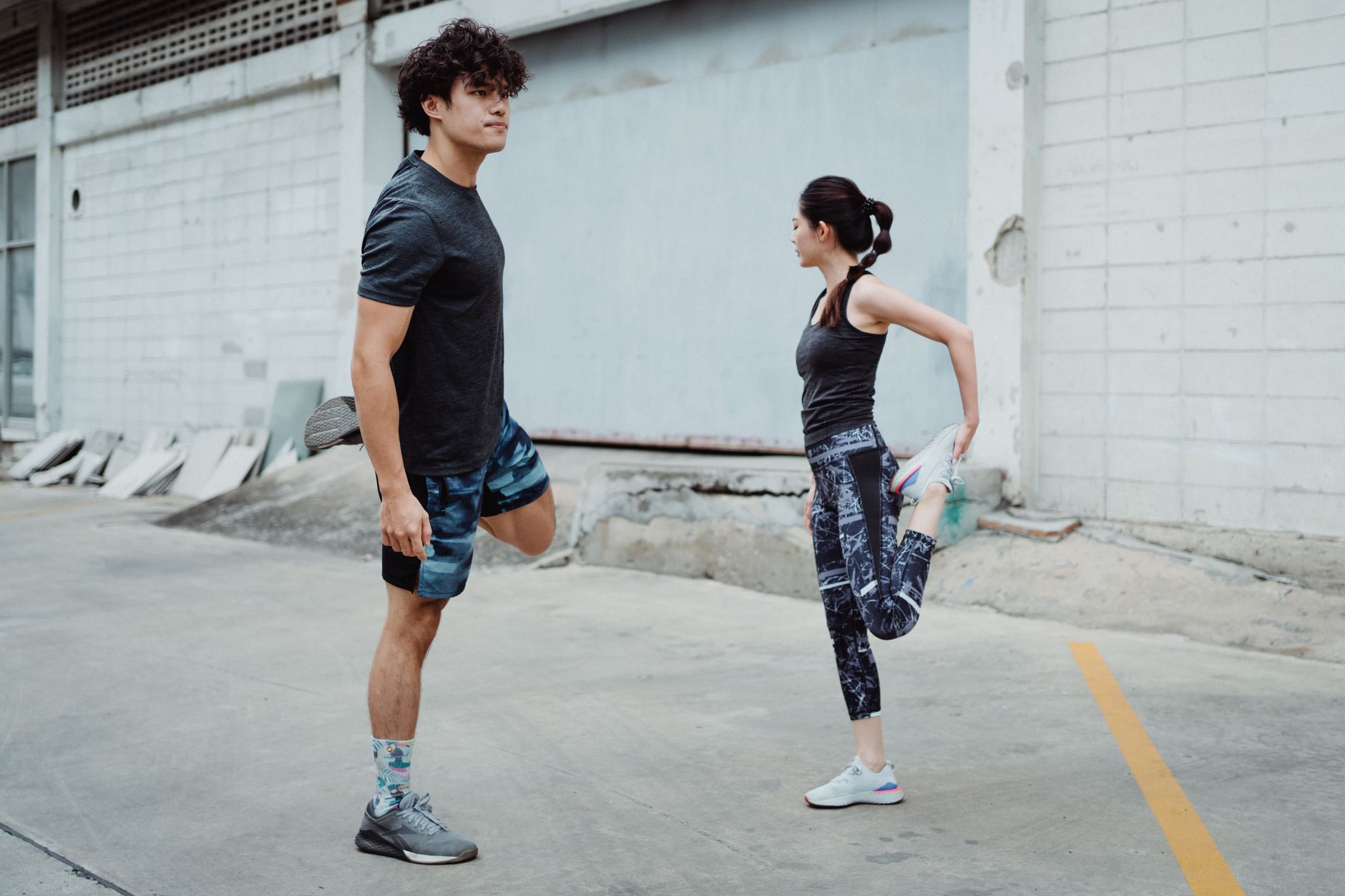
Match the fabric weight to your activity intensity. For yoga and low-impact movement, a lightweight bamboo-poly blend gives gentle wicking with a soft feel. For running or HIIT, go heavier on the polyester — 85% or above — and prioritize mesh panels under the arms and across the upper back where heat concentrates most.
Fit matters as much as fabric. Compression-style leggings keep the wicking surface pressed against skin so moisture transfers instantly. Loose shorts dry faster because airflow hits both sides. Neither is wrong — it depends on whether you run hot or prioritize freedom of movement. Most beginners benefit from a compression top paired with looser shorts.
Also check the waistband. A wide, flat waistband in spandex won’t trap heat or roll down mid-squat. Narrow elastic waistbands soak through fast and dig in. This detail separates a $20 pair that lasts a season from one that earns permanent drawer space. If you’re new to training, pairing good gear with a solid routine — like the Best Ab Exercises for Beginners With No Equipment (2026) — means you’ll actually look forward to putting those clothes on.
What to Expect in Your First 4 Weeks Wearing Wicking Gear
Week 1: You’ll notice immediately that you feel drier 15 minutes in. Your core temperature perception drops — not because you’re sweating less, but because sweat evaporates before it pools. Most people feel slightly more motivated just from the comfort boost alone.
Weeks 2–3: Your workouts likely get longer. Without the distraction of a soaked shirt or inner-thigh chafing, you stay focused on effort. This is the window where consistency really builds. Pairing that momentum with energy-management habits — like those covered in How to Stay Energized Throughout Your Workout (2026 Guide) — compounds the results fast.
Week 4: Gear maintenance matters now. Wash moisture-wicking fabrics in cold water, skip fabric softener (it clogs wicking fibers), and air dry when possible. For a reliable, form-flattering option built for summer, the Yoga Pants from Aura Heaven use a four-way stretch poly-spandex blend that holds up after 30+ washes without losing wicking performance.

Frequently Asked Questions
Is moisture-wicking clothing worth it for beginners?
Absolutely — even 20-minute beginner workouts produce enough sweat to make cotton uncomfortable within the first 8 minutes. Starting with proper wicking gear removes a common reason new exercisers quit early.
Can moisture-wicking clothes reduce body odor during workouts?
Partially yes — faster evaporation means bacteria have less moisture to feed on, which slows odor development during your session. For all-day odor resistance, look for fabrics with a silver-ion or antimicrobial finish.
How many moisture-wicking outfits do I actually need for summer training?
Three complete outfits handle a 5-day workout week comfortably, giving each piece 48 hours to fully air dry between uses. That rest time also extends fabric lifespan by about 40% compared to daily washing.
Polyester-spandex is your best bet for summer — light, fast-drying, and durable enough to outlast a full fitness season. Grab a pair that works as hard as you do and let the gear stop being the obstacle.
Get Free Weekly Workout Plans
Join Coach Alex every week for:
✅ Proven home workout plans ✅ Nutrition tips ✅ Gear reviews
Subscribe Free — No Spam Ever →Other useful blogs:
👶 NestBabyGuide.com — honest baby gear reviews for new parents
✨ SkinCareAnswered.com — simple skincare routines that actually work
📚 Keep Reading
→Best Ab Exercises for Beginners With No Equipment (2026)→How to Stay Energized Throughout Your Workout (2026 Guide)→5 Fitness Goal Mistakes Killing Your Progress (2026 Fix)Alex is a NASM-certified personal trainer who has helped thousands of beginners build lasting fitness habits at home — no gym required. His no-fluff approach focuses on what actually works for real people with busy lives. Find his recommended gear at Aura Heaven.

You Might Also Like
Coach Alex Turner
NASM-Certified Personal Trainer
Coach Alex lost 34 lbs with a $30 ab roller and has spent 8 years helping 200+ people train at home. Every guide on AuraFitGuides comes from real training experience, not theory.
Also from our team