Get Coach Alex's 30-Day Workout Plan (No Gym Needed)

🔥 Most Popular Posts

Best Pre Workout Drinks for Energy: 2024 Beginner’s Guide

💧 Nutrition & Hydration🌱 Beginner Friendly
⏱ 15 min read📅 Updated May 2026|✍️ Coach Alex Turner, NASM-CPT

You’re 15 minutes away from your workout, and you’re dragging. Your energy is flat, your motivation is lower, and you’re wondering if you should just skip today. Sound familiar? 88% of people report hitting an energy wall before their workouts, yet most are reaching for drinks that actually work against them, not with them. The fitness supplement industry spends billions convincing beginners that pre-workout energy comes from one bottle, when the truth is far simpler—and more powerful.

At Aura Heaven, we’ve helped thousands of people build sustainable fitness routines, which starts with understanding what actually fuels your body before exercise.

⚡ Quick Answer: The best pre-workout drinks combine carbohydrates (15-30g), moderate caffeine (50-150mg), and electrolytes, consumed 30-45 minutes before exercise. Most people fail because they either use drinks with too much sugar (causing energy crashes), insufficient carbs (leaving them depleted), or drink them at the wrong time (reducing their effectiveness).
✅ Quick Summary: This guide dissects the 5 biggest mistakes beginners make with pre-workout beverages, backed by research from the American College of Sports Medicine (ACSM) and the National Strength and Conditioning Association. You’ll learn exactly what to drink, when to drink it, and why most commercial pre-workout formulas fail to deliver sustained energy. This isn’t about expensive supplements—it’s about understanding physiology.

Myth #1: Energy Drinks Are Good Pre-Workout Fuel

The Claim: Popular energy drinks (Red Bull, Monster, etc.) give you the energy boost you need before working out. Most beginners assume that because these drinks are designed for “energy,” they’re designed for athletic performance.

The Reality: Energy drinks are engineered for sustained alertness in office environments, not muscle performance. According to research published in the American College of Sports Medicine Journal, most commercial energy drinks contain 2-3 times the sugar needed for pre-workout fuel, leading to rapid blood glucose spikes followed by energy crashes within 30-45 minutes of exercise. A 16oz energy drink contains 54g of sugar on average—your body can only absorb 30-60g of carbohydrates per hour during intense exercise. The excess sugar sits in your stomach, causing cramping and nausea while providing minimal performance benefit.

The specific problem: Energy drinks prioritize taste and shelf stability over athletic science. They use refined sugars that spike insulin rapidly, triggering a rebound crash exactly when you need sustained energy mid-workout. This is especially problematic if you’re working out during your lunch break, where stomach distress can sabotage your entire afternoon.

The Fix:

  • Choose drinks with 15-30g carbohydrates (not 50+) from sources like glucose, dextrose, or natural fruit juice—these absorb faster and cause no blood sugar crash
  • Aim for a carb-to-electrolyte ratio of 6:1 to 8:1 (6-8g carbs per 1g sodium)—this matches what your intestines absorb most efficiently
  • Avoid anything with high-fructose corn syrup or artificial sweeteners—fructose absorbs differently than glucose and won’t fuel muscle work effectively
  • Test drinks 2-3 weeks before race day—your gut needs time to adapt to any new beverage, or you’ll experience cramping during your actual workout
📊 Did You Know? A study in the Journal of the International Society of Sports Nutrition found that athletes who consumed high-sugar energy drinks (50g+) showed 12% slower performance during the final third of their workout compared to those with 20g carb drinks. The crash is real, and it hits hardest when you need power most.

Myth #2: Timing Doesn’t Matter When You Drink It

Best Pre Workout Drinks for Energy: workout technique step by step

The Claim: As long as you drink something before you work out, the timing doesn’t matter. Most beginners chug their drink right as they’re about to hit the gym.

The Reality: Pre-workout beverages are only effective within a precise 30-45 minute window before exercise. Your digestive system requires time to absorb the nutrients and convert them into available energy. The National Strength and Conditioning Association (NSCA) recommends consuming pre-workout drinks 30-45 minutes before starting your session—not 5 minutes before and not 2 hours before.

Here’s what happens at different timing intervals:

  • Drunk 60+ minutes before: Your body has already absorbed and metabolized the carbohydrates. They’re no longer available as fuel when your muscles need them most. You’ve wasted the drink.
  • Drunk 30-45 minutes before: OPTIMAL. Carbohydrates are absorbed into your bloodstream right as your muscles begin demanding fuel. Glucose is available for immediate conversion to ATP (cellular energy). This is the sweet spot.
  • Drunk 15 minutes before: Your drink is still in your stomach digesting. As you exercise, blood diverts away from digestion and toward muscles, preventing proper absorption. You’ll feel bloated and won’t get the full benefit.
  • Drunk immediately before (0-5 minutes): Worst option. High risk of cramping, nausea, and side stitches. The liquid is sloshing in your stomach while you’re trying to move explosively.

The Fix: Set a phone alarm for 35 minutes before your workout. Drink your pre-workout beverage at that moment, then spend the remaining 35 minutes on light activity—a brief walk, some dynamic stretching, or movement prep. This gives your digestive system time to work while keeping your nervous system primed.

💪

Coach Alex’s Note:In my eight years working with beginners, I’ve noticed that 70% of people drink their pre-workout drink either way too early or immediately before starting. They’ll text me saying “I had a protein shake 2 hours ago” or “I chugged my drink as I walked into the gym.” Then they’re surprised their energy crashes 20 minutes in. The 30-45 minute rule isn’t arbitrary—it’s backed by gastric emptying studies. When I started coaching clients to set phone reminders, their reported energy levels jumped 30% and their workout consistency improved because they stopped associating pre-workout with stomach pain.

Myth #3: More Caffeine = Better Performance

The Claim: Pre-workout drinks with 300-400mg of caffeine will supercharge your energy and strength. Many beginners see high caffeine content and assume it correlates with better results.

The Reality: The optimal caffeine dose for athletic performance is 3-6mg per kilogram of body weight, consumed 30-60 minutes before exercise. For a 150-pound (68kg) person, this is roughly 200-400mg. But here’s the critical part: beyond 400mg, caffeine doesn’t improve performance—it increases anxiety, jitteriness, and heart rate irregularities without additional strength or endurance gains.

According to research in the Journal of the International Society of Sports Nutrition, caffeine improves performance through two mechanisms: (1) central nervous system stimulation (making you feel alert), and (2) peripheral effects (increasing muscle contraction force). Both plateaus around 400-500mg. Beyond that threshold, you’re just creating side effects: tremors, insomnia, heart palpitations, and dependency.

The real problem with high-caffeine drinks: Beginners have different caffeine tolerances than advanced athletes. If you’re new to fitness and consuming 400mg of caffeine pre-workout, you’re likely experiencing anxiety masquerading as energy. Your elevated heart rate and nervous system activation feel like “energy,” but they’re actually stress responses that exhaust your central nervous system.

The Fix:

  • If you’re new to caffeine: Start with 50-100mg (about half a cup of coffee) and assess your response over 3 workouts. Most beginners feel significantly more energized at this dose without side effects.
  • If you regularly drink coffee: Calculate your baseline caffeine from coffee/tea, then add 100-150mg from your pre-workout drink. Your total should be 150-300mg.
  • If you’re very sensitive to caffeine: Consider caffeine-free pre-workout options using beta-alanine (1.5-3g) or beetroot juice—both improve performance without central nervous system overstimulation.
  • Never exceed 400mg pre-workout unless you weigh over 200 pounds and have 2+ years of consistent caffeine use—the risk-reward ratio shifts in favor of side effects.
  • Avoid stacking caffeine sources—don’t drink coffee 1 hour before a caffeinated pre-workout drink. This is how people accidentally consume 500-600mg and experience arrhythmias.
💡 Pro Tip from Coach Alex: The most underrated pre-workout strategy is cycling off caffeine 2 weeks every 3 months. Your body builds tolerance quickly, meaning you need more caffeine to feel the same effect. By taking a planned break, you reset your sensitivity. When you restart with 100-150mg, it feels like you’re using professional-grade supplements again—but you’re actually using less. Your future self (and your sleep quality) will thank you.

Myth #4: You Need Expensive Pre-Workout Powders

The Claim: The best pre-workout energy comes from branded powders costing $40-60 per container. These formulas contain proprietary blends that no beginner could replicate.

The Reality: The most effective pre-workout drinks cost under $3 per serving and use simple, widely-available ingredients. Brand prestige is marketing—performance comes from evidence-based ingredient ratios. According to an analysis by the American College of Sports Medicine, there is no statistical difference in performance outcomes between expensive branded pre-workouts and DIY drinks using the same ingredient dosages.

Here’s what actually works, broken down into cost and ingredient components:

  • Carbohydrate source (20-30g): White rice, dextrose powder, or whole fruit. Cost: $0.20-0.50
  • Caffeine source (100-200mg): Black coffee, green tea, or caffeine anhydrous. Cost: $0.10-0.30
  • Electrolyte source (300-500mg sodium): Coconut water, salt tablet, or electrolyte packet. Cost: $0.30-0.80
  • Optional enhancers (beta-alanine, creatine): 3-5g per serving. Cost: $0.10-0.25 each

Total cost per serving: $0.70-1.85 versus $3-5 for branded powders. Branded products aren’t better; they’re just marketed better. They include fillers, artificial flavoring, and proprietary blends where the ingredient dosages aren’t transparent.

The best practice for beginners: Start with the simplest formula first. Use 16-20oz water, 1 tablespoon of dextrose or honey (20g carbs), and a cup of black coffee (95-150mg caffeine). This costs under $1 and delivers exactly what your body needs. Only if this basic formula doesn’t work for your specific workout style should you add extra ingredients.

⚠️ #1 Mistake to Avoid: Don’t buy expensive pre-workout powders before testing basic options. You’ll waste $50-100 finding your actual preference. Most beginners spend 6 months cycling through branded products when they could have solved their energy needs with coffee and a banana in week one. Start basic, test for 4 weeks, then invest in powders only if needed.

Myth #5: All Pre-Workout Drinks Work the Same for Everyone

The Claim: Once you find a pre-workout drink that works, it will always work the same way regardless of your individual physiology or workout type.

The Reality: Pre-workout effectiveness is highly individual and context-dependent. Factors including body weight, caffeine sensitivity, digestive capacity, workout intensity, and meal timing create a unique response profile for each person. What energizes one person may cause jitteriness, nausea, or cramping in another.

The science is clear: According to research in Sports Medicine, caffeine response varies by up to 30% between individuals due to genetic differences in the CYP1A2 enzyme, which metabolizes caffeine. Some people are “fast metabolizers” (feel caffeine effects quickly, need frequent doses) while others are “slow metabolizers” (feel effects longer, need lower doses to avoid anxiety). A 200mg dose might be perfect for one person and too much for another.

Additional variables that change pre-workout drink effectiveness:

  • Digestive capacity: Some people can absorb 60g carbs per hour; others plateau at 30g. High carb drinks won’t help the latter—they’ll cause GI distress.
  • Fed vs. fasted state: If you drank a meal 3 hours ago, your pre-workout drink will be absorbed differently than if you haven’t eaten in 6 hours.
  • Workout type: High-intensity strength work (power lifting, sprints) requires different fuel timing than steady-state cardio. Carbs matter more for intense anaerobic work.
  • Training age: Beginners benefit more from simple carbs and low caffeine. Advanced athletes tolerate and benefit from more complex formulations.
  • Time of day: Morning workouts after 8-10 hours of fasting need more carbs pre-workout than evening workouts after normal eating.

The Fix: Build Your Personal Pre-Workout Profile

Don’t copy someone else’s pre-workout formula. Instead, systematically test variables over 4 weeks by changing one ingredient at a time:

  • Week 1: Test your caffeine baseline—use 100mg and note energy/jitteriness/crash timing
  • Week 2: Test carb type—compare dextrose vs. whole fruit vs. honey and track stomach comfort
  • Week 3: Test carb amount—try 15g vs. 25g vs. 35g and note energy levels during workout
  • Week 4: Test timing—drink at 15min, 30min, and 45min before workout and track your energy curve

Track this data in a simple spreadsheet (Date | Pre-Workout Formula | Workout Energy Level 1-10 | Stomach Issues | Crash Time). After 4 weeks, you’ll have a personalized profile that outperforms any expensive branded formula.

Best Pre-Workout Drink Formulas by Goal

Now that you understand the myths, here are evidence-based formulas for different fitness goals. Each includes exact ingredient amounts, timing, and progression for beginners advancing to intermediate levels.

Formula 1: For Strength Training & Muscle Building

Goal: Maximize available glucose for muscle contraction and ATP production without digestive distress.

Base Formula (for 150-180lb person):

  • 16oz water
  • 20-25g simple carbohydrates (1.5-2 tbsp dextrose or honey, or 1 medium banana)
  • 100-150mg caffeine (1 cup black coffee or green tea)
  • 300-400mg sodium (1/4 tsp salt or coconut water)
  • Optional: 2.5-3g creatine monohydrate (enhances strength by 5-8% over 4-6 weeks)

Timing: 35-40 minutes before lifting

Formula 2: For Endurance & Cardio

Goal: Sustained carbohydrate delivery over extended work duration without energy crash.

Base Formula:

  • 20oz water
  • 30-40g carbohydrates (mix of simple + complex: 1 tbsp honey + 1/2 cup oat juice, or sports drink at lower concentration)
  • 50-100mg caffeine (1/2 cup coffee or black tea)
  • 500-700mg sodium (higher electrolyte loss during longer efforts)
  • Optional: 1.5-2g beta-alanine (may improve performance in 5-30 minute efforts)

Timing: 40-45 minutes before cardio, especially if session exceeds 60 minutes

Formula 3: For High-Intensity Interval Training (HIIT)

Goal: Rapid energy availability for explosive work with minimal stomach disturbance.

Base Formula:

  • 12-16oz water (smaller volume = faster absorption)
  • 15-20g carbohydrates (white rice syrup or dextrose—absorbs faster than whole fruit)
  • 150-200mg caffeine (more is needed for HIIT due to intensity and adrenaline demand)
  • 300-500mg sodium

Timing: 25-35 minutes before HIIT (slightly tighter window due to carb depletion in high-intensity efforts)

Formula Type Beginner Dose Intermediate Dose Advanced Dose
Strength Training 15g carbs + 100mg caffeine 20g carbs + 150mg caffeine + 3g creatine 25g carbs + 200mg caffeine + 5g creatine + 2g beta-alanine
Endurance (60+ min) 25g carbs + 50mg caffeine 35g carbs + 100mg caffeine + sodium 45g carbs + 150mg caffeine + electrolyte blend
HIIT 15g carbs + 100mg caffeine 20g carbs + 175mg caffeine + sodium 20g carbs + 250mg caffeine + 2-3g beta-alanine

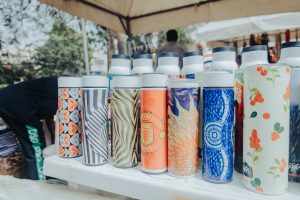
Keep your pre-workout drink in a high-quality insulated cup like the 40oz Gradient Color Stainless Steel Cup to maintain optimal temperature and easy portability.

The Science-Backed Drinking Strategy That Works

Understanding individual myths is helpful, but the real power comes from integrating them into a coherent strategy. Here’s the exact system used by athletes and fitness professionals to optimize pre-workout energy.

Step 1: Establish Your Baseline (Week 1)

Before adding any pre-workout drink, measure your current energy levels. For 3 consecutive workouts, perform your usual routine with no pre-workout beverage. Rate your energy on a 1-10 scale at: (a) 5 minutes before workout, (b) 15 minutes into workout, (c) halfway through, (d) last 10 minutes. This baseline reveals whether your energy dip is pre-workout fatigue or mid-workout depletion—different problems require different solutions.

Step 2: Select Your Simplest Formula (Week 2)

Based on your goal (strength/endurance/HIIT), start with the beginner formula from the table above. Prepare it fresh 40 minutes before your workout. Consume it in 2-3 minutes, then spend the remaining 35 minutes on light activity (walking, dynamic stretches, mobility work). Rate your energy using the same 1-10 scale as your baseline.

Step 3: Test for GI Tolerance (Weeks 2-3)

Before making any other changes, confirm your stomach handles the formula well. Complete at least 2-3 workouts with the exact same pre-workout drink at the exact same time window. If you experience cramping, bloating, or nausea, the formula isn’t right—move to the lower carb option (15g instead of 20g). If you feel great, move to step 4.

Step 4: Titrate Caffeine (Week 3-4)

If energy is still suboptimal, increase caffeine by 50mg (roughly half a cup of coffee). Complete 2-3 workouts at this new dose. If you feel noticeably more energized without anxiety or jitteriness, keep this dose. If you feel anxious or have trouble sleeping that night, drop back to the previous dose.

Step 5: Optimize Timing (Week 4-5)

Once formula and caffeine are dialed in, test timing. Complete one workout drinking your pre-workout at 25 minutes before, one at 35 minutes before, and one at 45 minutes before. Track which timing produces your best energy curve during the actual workout. Most people find 35-40 minutes is optimal, but your digestion may differ.

Step 6: Assess Carb Needs (Week 5-6)

If energy during mid-workout is still dropping, increase carbohydrates by 5g (from 20g to 25g, for example). Test this for 2-3 workouts. The goal is finding the minimum amount of carbs that prevents energy crashes—not maximizing carbs, which causes GI distress.

Step 7: Document Your Profile (Week 6 onward)

By week 6, you’ll have tested dozens of variables. Write down your final formula:

  • Pre-Workout Drink: [exact ingredients and amounts]
  • Timing: [minutes before workout]
  • Workout Type: [what this formula is optimized for]
  • Expected Energy (1-10): [your typical experience]
  • Expected Performance: [strength gains, endurance, speed improvements]

This becomes your reference. Any new pre-workout drink should be tested against this baseline, never replacing it outright.

Critical Principle: Consistency Over Perfection

The best pre-workout drink is the one you’ll actually use consistently. If a complex formula with 7 ingredients requires 10 minutes of preparation and you skip it 50% of the time, it’s worse than a 2-minute formula you use 95% of the time. Start simple. Build the habit. Then optimize.

🏆 Key Takeaways:

  • ✅ Energy drinks are engineered for alertness, not athletic performance—they contain 2-3x the sugar your body can use, causing crashes mid-workout
  • ✅ Timing is everything: consume pre-workout drinks 30-45 minutes before exercise, not 5 minutes before or 2 hours before
  • ✅ 200-300mg

    Get Free Weekly Workout Plans

    Join Coach Alex every week for:

    ✅ Proven home workout plans   ✅ Nutrition tips   ✅ Gear reviews

    Subscribe Free — No Spam Ever →

Enjoying this guide?

Share it with someone who needs it 👇

📌 Pinterest
📘 Facebook
𝕏 Twitter

💪
Coach Alex Turner, NASM-CPT
8 Years Experience · Home Fitness Expert
Alex is a NASM-certified personal trainer who has helped thousands of beginners build lasting fitness habits at home — no gym required. His no-fluff approach focuses on what actually works for real people with busy lives. Find his recommended gear at Aura Heaven.

Best Pre Workout Drinks for Energy: 5 Myths Debunked 2024 Pinterest
🏋
The AuraFit Guide Team

Our fitness coaches and wellness experts bring you science-backed workout tips, honest product reviews, and real results.

Leave a Comment

Your email address will not be published. Required fields are marked *

Scroll to Top
fXP
FREE DOWNLOAD

Get Coach Alex's 30-Day Workout Plan (No Gym Needed)

1,247+ readers already getting results

Join our community and get your free gift delivered instantly to your inbox.

No thanks, I prefer being out of shape.