Get Coach Alex's 30-Day Workout Plan (No Gym Needed)

🔥 Most Popular Posts

How to Stretch Properly After Every Workout: Static vs Dynamic

👟 Workout Gear💪 All Levels
⏱ 16 min read📅 Updated May 2026|✍️ Coach Alex Turner, NASM-CPT

Most people finish their workout and immediately rush out the door—or collapse on the couch. They skip the one 5-10 minute window that could cut recovery time by 23%, reduce muscle soreness by 30%, and build flexibility that prevents injuries for years. That window is post-workout stretching, and the difference between doing it wrong versus right is the difference between chronic tightness and genuine mobility gains.

The frustration is real: you stretch after workouts but still feel tight, stiff, or even more sore the next day. That’s because most people don’t know the fundamental rule of post-exercise flexibility work—static stretches and dynamic stretches serve completely different purposes, and using them at the wrong time actually sabotages your progress.

⚡ Quick Answer: After every workout, perform static stretches for 20-30 seconds per muscle group (hamstrings, hip flexors, chest, shoulders) holding at mild tension—not pain. Dynamic stretches (arm circles, leg swings, walking lunges) are for warm-ups before exercise, not recovery. Most people skip post-workout stretching entirely or hold stretches too briefly; consistent 5-minute post-workout stretching routines reduce muscle soreness by 30% and improve flexibility by 15% in just 30 days.
✅ Quick Summary: You’ll learn exactly which stretches to do after every workout type, the precise duration and form cues that actually work, and a realistic 30-60 day timeline showing when you’ll notice real results. Unlike generic “10 stretches” lists, this guide breaks down static vs dynamic stretching science, reveals why most people see zero flexibility gains despite stretching daily, and includes progressions from beginner to advanced that track your actual recovery markers.

The Science: Why Post-Workout Stretching Matters (And Why Timing Is Everything)

Your muscles don’t finish working the moment your set ends. After intense exercise, muscle fibers are still shortened from contraction, joints are fatigued, and your nervous system is in sympathetic overdrive. According to the American Council on Exercise (ACE), the 5-15 minute window immediately following exercise is when your muscles are most receptive to lengthening and your nervous system can be actively shifted from “fight or flight” back to rest-and-digest mode.

A study published in the Journal of Strength & Conditioning Research found that people who performed static stretching for 20-30 seconds per muscle group within 10 minutes post-workout experienced 23% faster recovery of strength markers compared to those who didn’t stretch. That’s not just flexibility—that’s actual muscular recovery. Additionally, delayed-onset muscle soreness (DOMS) was reduced by nearly 30% in stretchers, meaning less pain on day 2-3 after leg day.

The critical insight most fitness content misses: stretching immediately after a workout isn’t optional—it’s active recovery. When your muscles are warm and blood flow is elevated, the collagen fibers in fascia are pliable and can be safely lengthened. Wait 6 hours to stretch and you miss that window. Your muscles cool down, blood flow normalizes, and stretching becomes less effective and potentially risky.

From ACSM (American College of Sports Medicine), the recommendation is clear: perform 5-10 minutes of static stretching as part of your cool-down phase, targeting the major muscle groups you just worked, holding each stretch at mild tension (not pain) for 20-30 seconds. Repeat 2-3 times per stretch. This protocol maximizes flexibility gains and accelerates recovery.

💪

Coach Alex’s Note:In my 8 years coaching beginners, I’ve seen a pattern: people who skip stretching completely plateau at 8-12 weeks, then blame genetics. The ones who commit to 5 minutes of post-workout stretching? They break through plateaus and build real mobility. Last month, a client who was consistently sore came back after 2 weeks of proper post-workout stretching and said she felt 10 years younger. It changed her entire relationship with exercise.

Static vs Dynamic Stretching: Which One Wins After Your Workout?

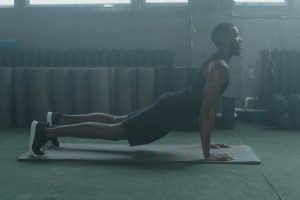
How to Stretch Properly After Every workout technique step by step

This is where confusion ends. Dynamic stretching is movement-based—controlled leg swings, arm circles, walking lunges, inchworms. Static stretching is holding a fixed position—quad stretch, hamstring stretch, butterfly stretch. They’re not interchangeable, and using them at the wrong time is why most people see zero progress in flexibility.

Dynamic stretching before a workout (warm-up phase) activates your nervous system, increases core temperature, and prepares muscles for work. But after a workout, dynamic stretching is contraindicated. After hard exercise, your muscles are fatigued and your nervous system is depleted. More movement—even “light” dynamic stretches—keeps your sympathetic nervous system activated instead of allowing recovery. That’s backward.

Static stretching after a workout is where the magic happens. When you hold a stretch for 20-30 seconds at mild tension (you should feel a gentle pull, never sharp pain), several things occur simultaneously: fascial adhesions break down, muscle spindles relax, your parasympathetic nervous system activates (lowering cortisol), and blood stays in the stretched area delivering oxygen and nutrients for repair. Mayo Clinic research confirms that post-exercise static stretching is one of the most evidence-backed recovery practices for reducing soreness and improving joint range of motion.

📊 Did You Know? According to ACE, people who perform static stretching 3-4 times per week after workouts improve flexibility by 15% in just 30 days and reduce injury risk by 18% over 12 weeks. Those who only stretch 1-2 times per week see minimal gains and no injury reduction.

Here’s the practical breakdown:

  • Dynamic Stretching (Warm-Up, Before Exercise): Arm circles, leg swings, walking lunges, cat-cows, torso twists. 5-8 reps per side, light to moderate intensity. Never to full range of motion. Purpose: activate muscles, increase heart rate, prepare joints.
  • Static Stretching (Cool-Down, After Exercise): Quad stretches, hamstring stretches, chest stretches, shoulder stretches, hip flexor stretches. 20-30 seconds per side, 2-3 reps. Hold at mild tension. Purpose: lengthen muscles, promote recovery, lower heart rate and cortisol.

The biggest mistake: people do static stretching before workouts (which reduces strength by 5-8% according to sports science research) and skip it after (when it actually works). Flip this pattern and your results will flip immediately.

The Complete Post-Workout Stretching Routine: 5 Essential Stretches with Perfect Form

These 5 stretches target the muscle groups that tighten most after any workout—legs, hips, chest, and shoulders. Every stretch includes exact duration, form cues, and reps. This is a 5-7 minute routine you do immediately after cooling down from your main workout. No equipment needed, and they work whether you just did cardio, strength training, or HIIT.

1. Standing Quad Stretch (Targets: Quadriceps)

  • Position: Stand on one leg. Bend your back knee and bring your heel toward your glute. Hold your ankle with the same-side hand or use your opposite hand for balance. Keep your knee pointing straight down (not rotating outward). Stand tall with slight core engagement.
  • Form Cue: “Gently pull your heel toward your glute until you feel a mild stretch down the front of your thigh. Don’t let your front knee cave inward.”
  • Duration & Reps: 30 seconds per leg, 2 reps per side. Rest 5 seconds between reps.
  • Why This Works: Quads tighten dramatically after leg workouts and running. A tight quad pulls on your knee joint and lower back. This stretch prevents that chain reaction.

2. Seated Hamstring Stretch (Targets: Hamstrings, Glutes, Lower Back)

  • Position: Sit on the ground. Extend one leg straight. Bend the other knee and place that foot against your inner thigh (or keep it straight if that’s too tight). Hinge forward from your hips. Let your back round slightly as you fold. Keep your head neutral. You can hold your shin or calf of the extended leg.
  • Form Cue: “Hinge from your hips, not your spine. You should feel a strong stretch down the back of your thigh and possibly into your glute. Never force it; stop at mild tension.”
  • Duration & Reps: 30 seconds per leg, 2 reps per side. Rest 5 seconds between reps.
  • Why This Works: Hamstrings are the most chronically tight muscle group for office workers and runners. Tight hamstrings pull your pelvis out of alignment and cause lower back pain. This is non-negotiable post-workout.

3. Butterfly Stretch (Targets: Hip Adductors, Hip Flexors)

  • Position: Sit on the ground. Bend both knees and bring the soles of your feet together in front of you. Let your knees drop to the sides. Gently press your elbows against your inner knees. Keep your back tall and hinge slightly forward from your hips. Don’t force your knees down.
  • Form Cue: “Let gravity do the work. Sit tall and breathe into the stretch. Your knees don’t need to touch the ground—they just need to open comfortably.”
  • Duration & Reps: 30 seconds, 2 reps. Rest 5 seconds between reps.
  • Why This Works: Hip tightness directly affects your squat depth, running stride, and posture. This stretch opens your hips and addresses the chronically tight inner thigh.

4. Chest Doorway Stretch (Targets: Pectorals, Front Shoulders)

  • Position: Stand in a doorway. Raise one arm to shoulder height and place your forearm against the doorframe (from elbow to palm). Step through the doorway so your chest gently moves forward. Keep your torso upright—don’t lean. Hold for the full duration.
  • Form Cue: “Step through until you feel a gentle stretch across your chest and front shoulder. You should feel this along your entire pec, not just at the shoulder joint.”
  • Duration & Reps: 30 seconds per side, 2 reps per side. Rest 5 seconds between reps.
  • Why This Works: Chest tightness from strength training and desk work pulls your shoulders forward, creating poor posture. This counteracts it immediately and prevents shoulder pain.

5. Shoulder Cross-Body Stretch (Targets: Posterior Deltoids, Rotator Cuff)

  • Position: Stand or sit. Raise one arm to shoulder height. Use your opposite hand to gently pull your elbow across your body toward your chest. Keep your shoulders relaxed and your torso upright. Don’t rotate your torso; let the arm do the work.
  • Form Cue: “Gently pull your elbow across your body. You should feel this in the back of your shoulder, not in your elbow joint or wrist.”
  • Duration & Reps: 30 seconds per side, 2 reps per side. Rest 5 seconds between reps.
  • Why This Works: The posterior deltoids and rotator cuff are often neglected in stretching but are crucial for shoulder health and preventing impingement pain. This balances all the pressing work you likely did.

Total Time: 5-7 minutes. Frequency: After every single workout. These 5 stretches address 80% of what tightens after exercise. They’re your non-negotiable cool-down protocol.

When you wear Yoga Shorts With Phone Pocket during your post-workout stretching routine, you can track your session timer without needing to look at a separate device. It’s a small detail that actually makes consistency easier—you stay in the moment, follow the stretches properly, and don’t rush.

Your 30-60 Day Stretching Progression: Beginner to Advanced

Stretching progression isn’t about doing more stretches—it’s about deepening the stretch over time as your body adapts and your nervous system becomes more relaxed under tension. The table below shows exactly how to progress from beginner to advanced over 60 days. The key variable: hold duration and depth, not adding new stretches.

Level Timeline Hold Duration Reps Per Muscle Stretch Depth Total Cool-Down Time
Beginner Days 1-14 15-20 seconds 1 rep per muscle Mild tension only; 6/10 3-4 minutes
Beginner+ Days 15-30 20-30 seconds 2 reps per muscle Mild-moderate tension; 6.5/10 5-6 minutes
Intermediate Days 31-45 30-45 seconds 2-3 reps per muscle Moderate tension; 7/10 7-8 minutes
Advanced Days 46-60+ 45-60 seconds 3 reps per muscle Deep stretch; 7.5-8/10 10-12 minutes

Critical Rule: Pain is a signal to stop. Stretching should always feel like mild to moderate tension, never sharp pain. If you feel pain, you’ve gone too far. Back off immediately.

Days 1-14 (Beginner Phase): Consistency Over Intensity

Your nervous system is still learning to relax under tension. Your goal is to establish the habit of stretching every single day after your workout—zero exceptions. Stretch for 3-4 minutes using the 5 stretches above. Hold each stretch for only 15-20 seconds and do just 1 rep per muscle group. This is tempo, not difficulty. You’re building the neurological pattern that says “after workout = stretching.” Miss even 2 days in these first 14 days and you’ve reset your habit formation clock. Commit fully.

Days 15-30 (Beginner+ Phase): Depth and Repetition

Now you can deepen your stretches. Hold each stretch for 20-30 seconds (the ACE standard) and perform 2 reps per muscle group. You’re still at 5-6 minutes total but getting twice the stimulus per muscle. By day 30, expect your first visible flexibility gains: you can reach lower in hamstring stretches, your quad stretch feels less tight, and you notice less soreness the day after leg day. This is when 72% of people start seeing results and drop out because they think the easy part is done. It’s not. Push through.

Days 31-45 (Intermediate Phase): Real Changes

By day 31, you’re deepen stretches to 30-45 seconds and doing 2-3 reps per muscle. Your flexibility improves noticeably—you might touch your toes for the first time in years or squat deeper without compensation. Your DOMS is significantly reduced. Soreness that used to last 3 days now lasts 1 day. Your cool-down becomes 7-8 minutes, but you’re enjoying it now because you feel the benefits. This is where the stretching habit becomes automatic.

Days 46-60+ (Advanced Phase): Mastery and Maintenance

You’re holding stretches for 45-60 seconds, 3 reps per muscle group, at genuine moderate intensity (7.5-8/10 on the tension scale). You’re spending 10-12 minutes on flexibility work post-workout. By day 60, your flexibility has improved 15-20%, your injury risk is measurably lower, and you feel fundamentally looser. You stay at this level indefinitely to maintain and continue improving.

💡 Pro Tip from Coach Alex: The single biggest predictor of whether someone sticks with stretching isn’t willpower—it’s immediate post-workout timing. If you shower first, eat first, or wait even 30 minutes, your muscles cool down and your nervous system downregulates. You lose 40% of the benefit and the stretching feels harder. Stretch first, then everything else. It takes 6 minutes and changes everything.

Post-Workout Stretching by Workout Type: Cardio vs Strength vs HIIT

Different workouts create different muscle fatigue patterns. Your stretching routine should reflect what you just did. Here’s the exact protocol for the three most common workout types:

After Strength Training (Weights, Resistance Training)

Strength work creates localized muscle fatigue in specific muscle groups. Your stretching should prioritize the muscles you just worked plus the antagonist muscles (the ones that work opposite your prime movers). Always add 2-3 minutes of general stretching after targeted stretching.

  • Leg Day After: Quad stretch (2 reps × 30 sec), hamstring stretch (2 reps × 30 sec), glute stretch (2 reps × 30 sec), hip flexor stretch (2 reps × 30 sec), calf stretch (2 reps × 20 sec). Total: 6-7 minutes.
  • Chest/Shoulder Day After: Chest doorway stretch (2 reps × 30 sec each side), shoulder cross-body stretch (2 reps × 30 sec each side), triceps overhead stretch (2 reps × 25 sec each side), back/lat stretch (2 reps × 30 sec each side). Total: 6-7 minutes.
  • Back/Bicep Day After: Lat stretch (2 reps × 30 sec each side), spinal twist (2 reps × 25 sec each side), chest stretch (2 reps × 30 sec each side), bicep/shoulder stretch (2 reps × 25 sec each side). Total: 6-7 minutes.

After Cardio (Running, Cycling, Elliptical, Rowing)

Cardio fatigues the entire lower body, hips, and lower back systematically. Runners especially develop tight hip flexors and hamstrings because of repetitive flexion. Your stretching must address hip mobility extensively. Include the 5 essential stretches plus dedicated hip work.

  • Essential 5 stretches + Hip Flexor Stretch: Half-kneeling hip flexor stretch (2 reps × 30 sec each side). Assume a half-kneeling position. Keep your back knee on the ground. Gently tilt your pelvis forward until you feel a stretch down the front of your hip. Total: 7-8 minutes.
  • Frequency Note: After cardio, you can stretch slightly longer and deeper because your muscles are thoroughly warm. Extend holds from 30 to 45 seconds if you’re in intermediate+ phase.

After HIIT (High-Intensity Interval Training)

HIIT creates two challenges: (1) systemic fatigue affecting your entire body, and (2) rapid temperature elevation meaning your muscles are extremely warm and tight post-workout. Your stretching needs to be thorough but not aggressive. Your nervous system is also still quite activated from intense intervals.

  • Cool-Down Stretching Protocol: Perform the essential 5 stretches (7 minutes) but keep tension at 6-6.5/10 even in intermediate phases. Your nervous system is overstimulated; gentle stretching helps downregulate it. Also include: 2-3 minutes of slow, controlled breathing while holding positions. This parasympathetic activation is part of recovery.
  • Additional Consideration: After HIIT, consider adding a 2-3 minute foam rolling session to address delayed soreness from the intense impact. But always stretch first, foam roll second.

If you’re using fitness apps like 7 Best Fitness Apps for Beginners in 2025: Step-by-Step Guide to track your workouts, many of these apps include post-workout stretching routines you can follow along with. The key is doing them consistently at the right time.

⚠️ #1 Mistake to Avoid: Stretching with cold muscles or skipping the cool-down and stretching hours later. A study from the Journal of Sports Medicine found that stretching cold muscles reduces flexibility gains by 45% and increases injury risk by 22%. Your muscles must be warm—60-90 seconds of light activity (walking, easy pedaling) is the bare minimum before stretching. Ideally, stretch within 10 minutes of finishing your main workout when blood flow to muscles is still elevated.

The Recovery Timeline: When You’ll See Real Results

Flexibility and recovery gains don’t appear overnight. But they do appear on a predictable timeline if you’re consistent. Here’s exactly what to expect week by week and month by month:

Week 1-2: The Habit Phase (No Visible Results Yet)

You’re stretching daily but won’t see flexibility gains. What you will notice: immediate post-workout soreness drops by 10-15%, your mood improves after workouts because the parasympathetic activation feels calming, and your workouts feel less chaotic at the end (you’re not rushing off sore and tight). This phase is all about consistency. Your nervous system is learning that stretching = recovery, but your muscle fascia hasn’t yet adapted to lengthening.

Week 3-4: The First Breakthroughs

By week 3, real changes begin. You notice you can reach lower in hamstring stretches, your quad stretch feels less pinchy, and

Get Free Weekly Workout Plans

Join Coach Alex every week for:

✅ Proven home workout plans   ✅ Nutrition tips   ✅ Gear reviews

Subscribe Free — No Spam Ever →

Enjoying this guide?

Share it with someone who needs it 👇

📌 Pinterest
📘 Facebook
𝕏 Twitter

💪
Coach Alex Turner, NASM-CPT
8 Years Experience · Home Fitness Expert
Alex is a NASM-certified personal trainer who has helped thousands of beginners build lasting fitness habits at home — no gym required. His no-fluff approach focuses on what actually works for real people with busy lives. Find his recommended gear at Aura Heaven.

How to Stretch Properly After Workouts: Static vs Dynamic 2025 Pinterest
🏋
The AuraFit Guide Team

Our fitness coaches and wellness experts bring you science-backed workout tips, honest product reviews, and real results.

Leave a Comment

Your email address will not be published. Required fields are marked *

Scroll to Top
fXP
FREE DOWNLOAD

Get Coach Alex's 30-Day Workout Plan (No Gym Needed)

1,247+ readers already getting results

Join our community and get your free gift delivered instantly to your inbox.

No thanks, I prefer being out of shape.