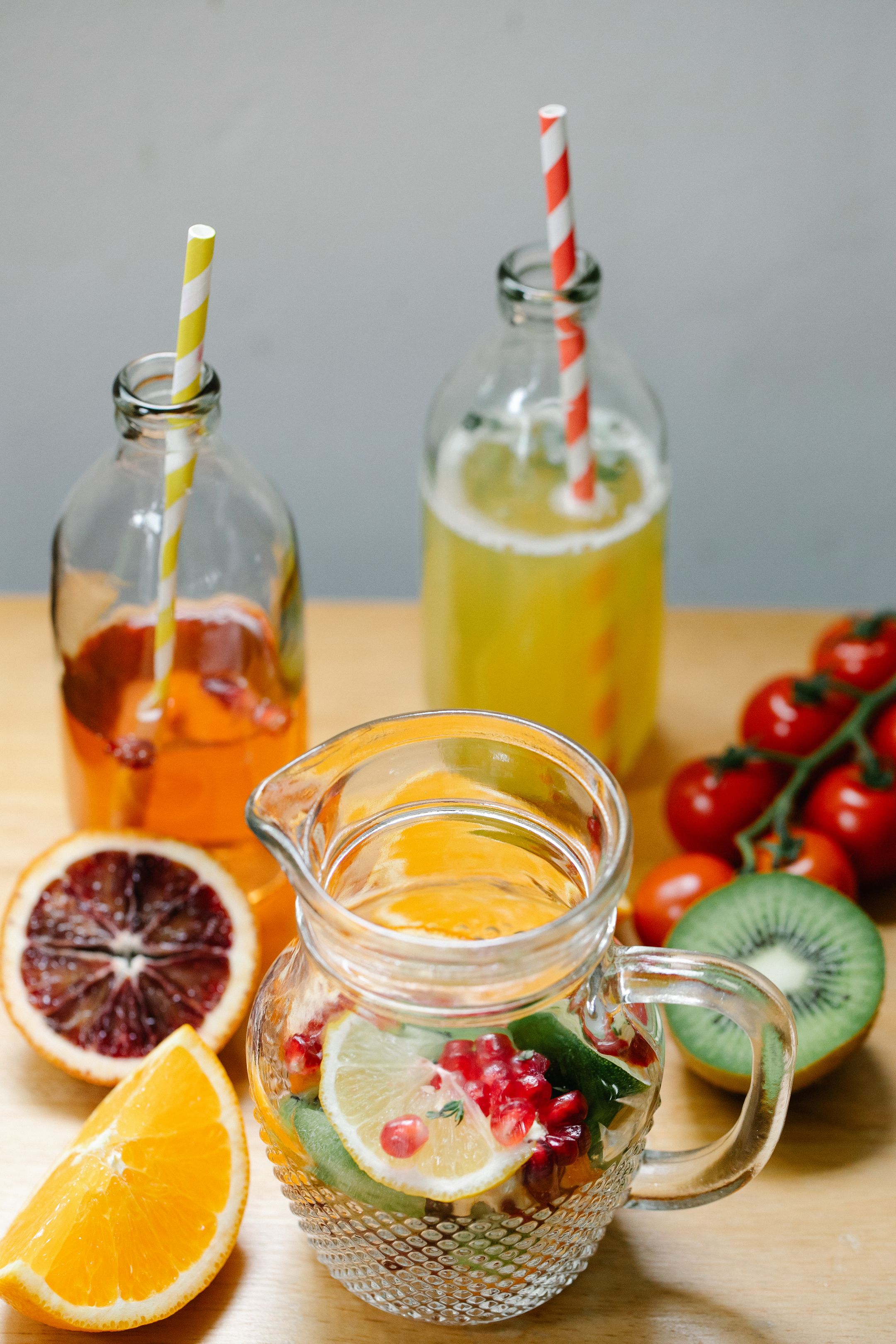
Most people making homemade electrolyte drinks are either drinking glorified lemon water with zero sodium — or they’ve dumped so much salt in it that it tastes like a mouthful of ocean. Neither one is helping you. The actual recipe is dead simple, but three specific things get skipped almost every time, and those three things are the entire reason it works. I’m going to tell you exactly what they are, in order, with numbers — because vague advice about ‘staying hydrated’ has never helped anyone.
Last updated: June 2026 — Alex Turner, NASM-CPT
Why Your Current Electrolyte Drink Isn’t Doing Much
Here’s what I see constantly: someone does a 45-minute workout, sweats through their shirt, then chugs 20 oz of water with a squeeze of lemon and calls it electrolyte replenishment. It’s not. Not even close.
Water without sodium doesn’t rehydrate you the same way. Your body needs sodium to actually hold onto the fluid you’re drinking — without it, a good chunk of that water just passes through. The American College of Sports Medicine has been saying this for years, and yet every ‘clean eating’ electrolyte recipe floating around Pinterest leaves the salt out entirely because salt sounds unhealthy. It isn’t. Not here. Not in these amounts.
The second thing people skip: potassium. You lose it when you sweat, and a sodium-only drink creates an imbalance that can actually make cramping worse, not better. And the third thing? Volume. You need at least 16 oz per serving for the ratios to work. A tiny shot glass of ‘electrolyte concentrate’ is not the same thing.
“Water without sodium is just a suggestion. Your body politely listens and then immediately ignores it.”
The Recipe That Actually Works — Step by Step
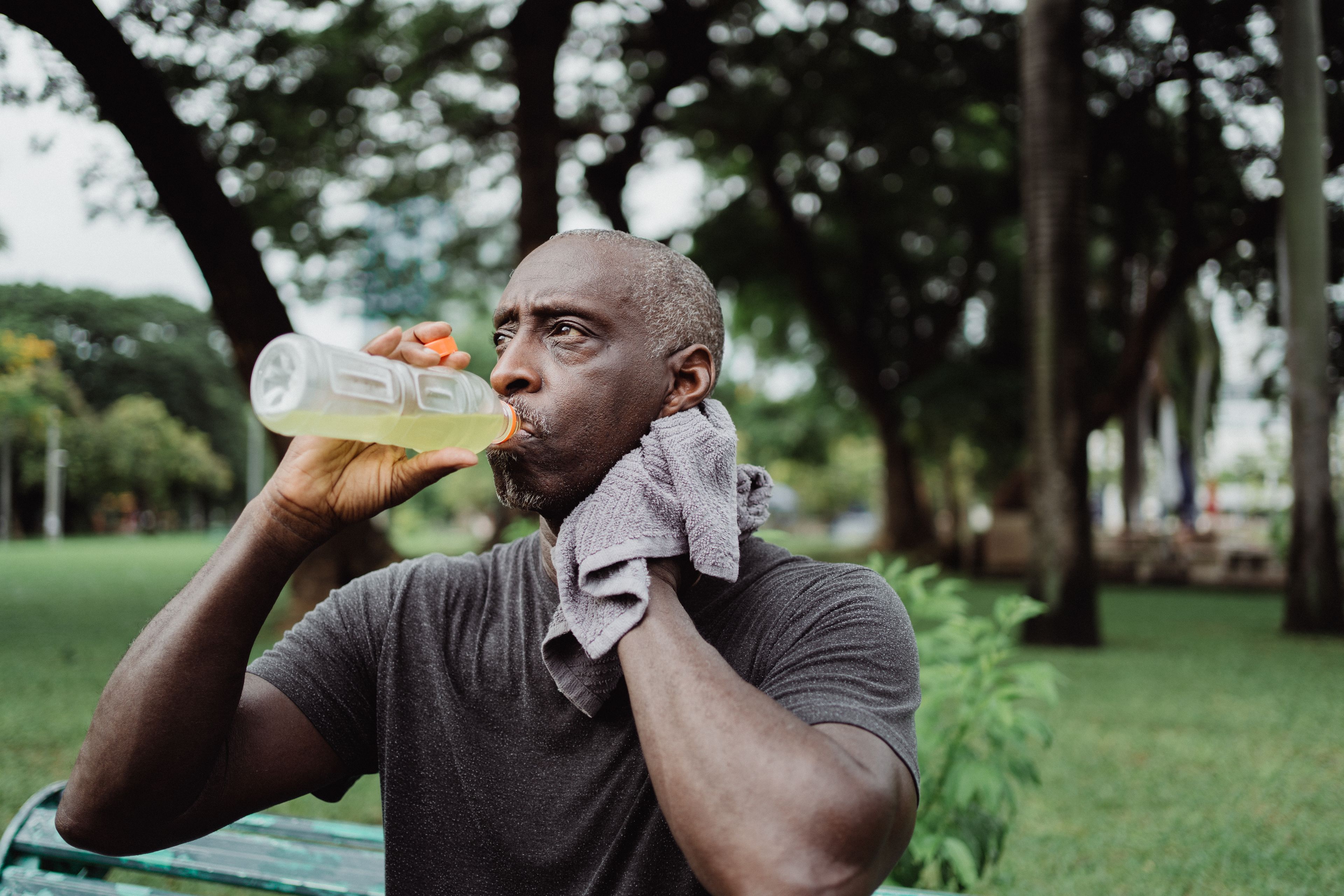
I want to be clear: this isn’t complicated. The reason I’m breaking it into steps is that the order and ratios matter more than people think, and most recipes online get at least one of them wrong.
Beginner Progressions — Start Here If This Feels Like a Lot
Look — if you’ve never made your own electrolyte drink before, I don’t want you to feel like you need to nail all six steps on day one. Here’s how to build into it without overthinking it.
Week 1 — The Starter Version: Just water, 1/4 tsp sea salt, and lemon juice. No potassium yet, no honey. This gets you used to drinking something that tastes slightly salty, which is a hurdle more people trip over than they’d admit. Drink one 16 oz serving after every workout this week.
Week 2 — Add the Potassium: Grab No Salt at the store (Morton makes one, Nu-Salt is another — either works). Add 1/4 tsp to your existing recipe. Notice whether you feel less flat or crampy during the 24 hours after hard sessions. Most people feel a difference within 3-4 days.
Week 3 — Add Honey on Hard Days Only: Define a ‘hard day’ for yourself — anything over 40 minutes of real effort, or anything involving strength training. Add 1 tsp honey to those drinks only. Keep the non-workout or light-day version honey-free.
Week 4 and beyond — Scale the volume: If you’re training in heat or doing sessions over 75 minutes, make 32 oz instead of 16. Double everything except the honey — keep that at 1 tsp regardless of volume. And if you want a bottle that makes carrying 32 oz of this stuff easy without it leaking all over your gym bag, I’ve been recommending the Creative Gradient 2.2L Sports Bottle to clients for a while now — it holds enough for a full workout’s worth of this drink plus some extra, and the wide mouth makes it easy to add ingredients without a funnel situation.
How These Stack Up Against Each Other

Since everyone asks — here’s how the common options actually compare. And yes, I have opinions.
When This Works Great and When It Doesn’t
This recipe is not magic. I want to be real about that.
If you’re training in extreme heat for over 90 minutes — like outdoor endurance stuff in summer — you’ll need more sodium than this recipe provides. We’re talking 500-700mg per hour of sweat loss, and a single 16 oz serving only covers one hour of moderate sweating. For those situations, double the recipe and consider adding a small magnesium supplement separately, because magnesium loss is real and gets ignored almost as badly as potassium does.
This recipe also works less well if your overall daily diet is really low in sodium. Sounds backwards, but if your body’s baseline sodium is chronically low, a single drink won’t compensate — you’ll need to look at your whole day. The National Institutes of Health recommends 1,500-2,300mg of sodium per day for active adults. Most people who are trying to ‘eat clean’ are undershooting that by a lot.
Does that mean this recipe is useless for light exercisers? Not exactly. But also kind of — if you’re doing a 25-minute walk, just drink water. Save this for days when you actually earned it.
- ✓ Sodium (1/4 tsp sea salt per 16 oz) is non-negotiable — it’s what makes your body actually hold the water
- ✓ Potassium from No Salt is the step most recipes skip, and it’s the one that stops cramping
- ✓ Within 2 weeks of using the full recipe consistently, most people notice less post-workout fatigue and fewer headaches
- ✓ Make it the night before so you never have to choose between convenience and doing it right
- NOWMake the Week 1 version right now: 16 oz water, 1/4 tsp salt, squeeze of lemon. Drink it. See if it tastes like you expected.
- THIS WEEKPick up No Salt at the grocery store (under $5) and use the full recipe at least 4 times this week — every workout day.
- 30 DAYSIf you’re consistent, expect fewer afternoon energy crashes on training days, less cramping, and faster recovery between sessions. Not dramatic. But real.
Questions I get all the time

Can I just use table salt instead of sea salt or Himalayan?
Yes. Completely fine. The mineral trace differences between table salt and Himalayan salt are so small at 1/4 tsp that they don’t matter here. Anyone telling you otherwise is selling you expensive salt.
Is this safe if I have high blood pressure?
That’s a question for your doctor, not me — and I mean that genuinely, not as a legal disclaimer. The sodium amounts here (around 575mg per serving) are within normal ranges for active people, but if you’re managing hypertension with medication, you need a real conversation with your physician before changing your sodium intake.
How much should I drink during a workout vs. after?
For sessions under 60 minutes: drink it after. During is fine too, but the urgency isn’t there. For sessions over 60 minutes, especially anything cardio-heavy: sip 4-6 oz every 15-20 minutes during, then finish the rest after. Don’t chug it all at once mid-workout — that’s how you feel sloshy and miserable.
Can I make a big batch and keep it in the fridge?
Yes, up to 48 hours. After that the lemon juice starts to oxidize and the taste goes flat. I’d make a 2-serving batch the night before at most.
What if I hate the taste of salt?
Try adding more lemon juice — up to 2 tbsp — and a small pinch of raw cane sugar instead of honey. The slight sweetness masks the saltiness almost completely. Give it three tries before you give up. Your palate adjusts faster than you think.
Does this actually work as well as LMNT or Liquid IV?
For most workouts? Yes. LMNT has a better sodium-to-potassium profile and adds magnesium, which this recipe doesn’t. So for very long or very hot sessions, the commercial option has a genuine edge. For a standard 45-60 minute workout? This recipe covers you for about 95 cents versus $2.50+.
Should kids drink this?
For active kids doing sports in heat, a half-strength version (half the salt and potassium) is reasonable. But honestly, for kids under 12, check with their pediatrician. Their sodium needs are different and I’m not going to pretend I specialize in pediatric sports nutrition.
What about magnesium — do I need to add it?
Enjoying this guide?
Share it with someone who needs it 👇
📌 Pinterest 📘 Facebook 𝕏 Twitter