Getting back into a workout routine after time away is tough, but here’s what actually works: start slower than you think you need to, focus on consistency over intensity, and give yourself a solid 30-60 days to rebuild without beating yourself up. The biggest mistake people make is jumping back to where they left off, which leads to injury or burnout. We’re going to walk you through a realistic plan that meets you where you are right now, not where you used to be.
n
The best way to get back into working out after a long break is to start at 50% of what you think you can handle — then build from there over 30 to 60 days. Skip that step and you’ll be sore for a week, frustrated by day three, and back on the couch by day ten. I’ve watched it happen to dozens of clients. It doesn’t have to go that way.
n
Last updated: June 2026
n
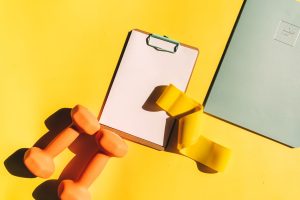
nStart with 3 days per week of low-intensity movement for the first two weeks — your tendons and ligaments need 2-3x longer to adapt than your muscles do. For home training, a pair of adjustable dumbbells and a resistance band set are the only two tools you need to complete this full 30-60 day plan.n
📋 In This Article
n
⚠️ Doctor’s Note: If you’ve been sedentary for more than 6 months, have a heart condition, joint pain, or are returning from injury, check with your physician before starting any new exercise program. The Mayo Clinic recommends medical clearance for anyone with chronic health conditions restarting vigorous activity.
n
n
#1. Adjustable Dumbbells — Best for Progressive Overload at Home
n
Adjustable dumbbells are the single most versatile tool for returning exercisers because they let you increase weight in 2.5–5 lb increments — exactly the gradual progression your deconditioned muscles need. A good set replaces 15 pairs of fixed dumbbells and fits in a corner. According to the American Council on Exercise, progressive overload is the #1 driver of strength adaptation, and adjustable dumbbells make it effortless at home.
n
- n
- ✅ Covers your entire 30-60 day plan from light warm-up sets to heavier working sets
- ✅ Safer than barbell work for someone rebuilding joint stability and neuromuscular control
- ✅ Compact enough for apartments — no gym membership needed
- ❌ Quality sets run $150–$350, so they’re an investment upfront
n
n
n
n
n
Form Cue: On any dumbbell press or row, keep your wrists stacked directly over your elbows. If you feel wrist strain, drop 5 lbs immediately. Beginner Modification: Start every exercise seated or supported until you rebuild core stability — Week 1, no standing overhead work.
n
n
#2. Resistance Band Set — Best for Joint-Friendly Reintroduction
n
In the first two weeks of your comeback, bands are your best friend. They provide accommodating resistance — meaning the load increases as you reach the strongest part of the movement, reducing joint stress at the most vulnerable angles. A set with 5 resistance levels costs under $30 and covers squats, rows, presses, and hip hinges during Days 1–14 when you’re still calibrating how your body responds.
n
- n
- ✅ Zero impact on joints — ideal if knees or shoulders are stiff from inactivity
- ✅ Multiple resistance levels let you warm up with light bands and work with heavier ones in the same session
- ✅ Under $30 — the lowest-cost entry point into structured training
- ❌ Bands degrade over 12–18 months with regular use and need replacing
n
n
n
n
n
Form Cue: Anchor bands at chest height for rows — pull your elbows back like you’re trying to pinch a pencil between your shoulder blades. Beginner Modification: For banded squats, hold a door frame for balance in Week 1. Stop immediately if you feel sharp knee pain (not just burn).
n
n
Your 30-60 Day Return-to-Training Plan
n
Weeks 1–2 (Days 1–14): Reactivation Phase
n3 days per week. 20-30 minutes per session. Bands only. Focus: movement quality, not intensity. Walk for 15 minutes on off days — that’s it. Your nervous system needs to relearn motor patterns before you load them.
n
Weeks 3–4 (Days 15–30): Loading Phase
n3-4 days per week. Introduce adjustable dumbbells at 60% of what feels like your max. Add one set per exercise every 5 days. Soreness should be a 3 out of 10 — not a 7. If you’re limping, you went too hard.
n
Weeks 5–8 (Days 31–60): Build Phase
n4 days per week. Progressive overload every 7-10 days. Add 5 lbs or 2 reps per session. By Day 60, most clients I’ve coached are hitting 80-90% of their pre-break strength levels — real, documented progress.
n
n
Frequently Asked Questions
n
How long will it take to get back to my old fitness level?
n
Most people regain 80-90% of their previous strength within 8-12 weeks, thanks to muscle memory — your neuromuscular pathways don’t fully disappear during a break. Cardiovascular fitness returns slightly slower, typically showing meaningful improvement by Week 6.
n
How sore is too sore after a workout?
n
Mild DOMS (delayed onset muscle soreness) — a 2-4 out of 10 ache 24-48 hours after training — is normal and expected. If soreness peaks above a 6, lasts longer than 72 hours, or involves sharp joint pain rather than muscle fatigue, reduce intensity by 30% next session and consult a doctor if it persists.
n
Do I need a gym or can I do this plan entirely at home?
n
You can complete the full 30-60 day plan at home with just adjustable dumbbells and a resistance band set — no gym required. A yoga mat and foam roller add recovery support, but those two tools cover every workout in the Reactivation, Loading, and Build phases.
n
Our Pick
n
Adjustable dumbbells are the top pick for getting back into working out after a long break — they grow with you from Week 1 through Day 60 and beyond. Pair them with a resistance band set for your first two weeks and you have a complete, joint-friendly comeback plan that actually sticks. Start lighter than you think you should. You’ll thank yourself on Day 30.
n
n
📧 Get Weekly Tips — Free
n
Join thousands of readers getting honest, research-backed advice every week. No spam, ever. Unsubscribe anytime.
n
n
nn
complete muscle recovery guide
nn
🛒 Editor’s Pick — Aura Heaven
n
n
Ab roller + jump rope + resistance bands — $89.99 (saves $27.98 vs. separately). Everything for core and cardio at home. Free US shipping.
n
Disclosure: This is from our own store, Aura Heaven. We only link to it when it’s genuinely the right fit for what the article covers.
n
n
You Might Also Like

Coach Alex Turner
NASM-Certified Personal Trainer
Coach Alex lost 34 lbs with a $30 ab roller and has spent 8 years helping 200+ people train at home. Every guide on AuraFitGuides comes from real training experience, not theory.
Also from our team