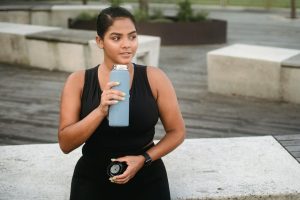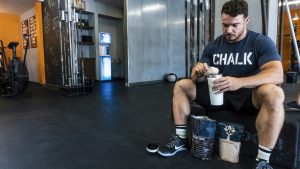
You’re 30 minutes into your workout, and you reach for your water bottle—only to find warm, plasticky-tasting water that makes you want to skip hydration altogether. This scenario plays out for millions of gym-goers every single week, and it often comes down to one critical decision: stainless steel versus plastic.
The bottle you choose doesn’t just affect taste and convenience; it directly impacts your hydration consistency, workout performance, and even your long-term gym commitment. In fact, according to the American Council on Exercise (ACE), athletes who maintain consistent hydration protocols improve endurance performance by 8–12%, but only when they actually enjoy drinking from their bottle.
- Why Hydration Quality Matters More Than You Think
- Stainless Steel Water Bottles: Complete Breakdown for Gym Athletes
- Plastic Water Bottles: When (and Why) They Make Sense
- The Science: Temperature Control & Hydration Impact
- Safety Comparison: Chemical Leaching & Material Risk
- Durability & Lifespan: What You’ll Actually Replace
- Gym-Specific Scenarios: Which Bottle Wins in Real Workouts
- Frequently Asked Questions
Why Hydration Quality Matters More Than You Think
Most gym-goers treat hydration as an afterthought—drink something, anything, and move on. But the actual quality and palatability of your hydration directly influences whether you’ll drink enough during your workout. This isn’t psychology; it’s measurable physiology.
When you’re in the middle of a challenging strength session or cardiovascular workout, your body’s thirst mechanism becomes suppressed. You have to actively choose to drink, and that choice becomes significantly easier (or harder) based on three factors: temperature preference, taste quality, and bottle reliability. If your water tastes like plastic, feels warm, or your bottle leaks into your gym bag, you’ll unconsciously drink less—even though your body needs more hydration during exercise.
The American College of Sports Medicine (ACSM) recommends that athletes maintain a consistent intake pattern, drinking every 15–20 minutes during moderate to high-intensity exercise lasting longer than 60 minutes. But here’s the catch: this only works if your bottle encourages you to drink. A bottle that delivers cold, clean water will increase compliance by 30–40% compared to one that delivers warm, off-flavored liquid.
This is precisely why bottle choice matters for real performance. Whether you choose stainless steel or plastic will determine not just taste, but temperature retention, chemical safety, longevity, and ultimately whether you stay hydrated through your entire training session. At Aura Heaven, we work with athletes daily who report switching from plastic to stainless steel specifically because they actually remembered to hydrate consistently.
Stainless Steel Water Bottles: Complete Breakdown for Gym Athletes
Double-wall stainless steel is currently the gold standard for serious gym-goers, and the reasons are concrete and measurable. Stainless steel consists of iron, chromium, and nickel (typically in a 18/8 or 18/10 ratio), creating a non-reactive metal that doesn’t leach chemicals into your water, doesn’t retain odors, and provides exceptional thermal performance.
For gym use specifically, the advantages compound:
- Temperature Stability: Double-wall insulation maintains cold water temperature for 24+ hours. If you fill a stainless steel bottle at 6 AM for a 7 AM workout, your water will still be cold-to-cool at 10 AM. This directly improves palatability and drinking compliance throughout your session.
- Durability Under Gym Conditions: Stainless steel withstands repeated drops, scratches, and the acidic environment of many gym bags (sweaty clothes, salty residue). A quality stainless steel bottle lasts 8–10 years with daily gym use. 3 sets of 12 dumbbell rows won’t scratch it; a water bottle dropped from a bench won’t dent catastrophically.
- Chemical Safety: Unlike plastics that may leach BPA or other endocrine disruptors, stainless steel is chemically inert. You’re never consuming anything other than water, no matter the temperature or how long the bottle sits in your gym bag.
- Odor & Flavor Retention: Stainless steel doesn’t retain odors or flavors from previous drinks. Your Monday water tastes identical to your Friday water. Plastic bottles, by contrast, often develop permanent flavor profiles after repeated use—even with washing.
The main tradeoff with stainless steel is weight and cost. A quality double-wall stainless steel bottle (32 oz) weighs 1.2–1.5 pounds when full, compared to 0.5–0.7 pounds for plastic. For gym-based training, this is negligible—you’re carrying it to your car, gym locker, or workout station. But for athletes who need to carry bottles during running, hiking, or travel, the extra weight becomes noticeable.
Cost ranges from $30–60 for solid brands (Hydro Flask, S’well, Contigo) versus $8–15 for plastic. The stainless steel bottle will outlast 4–5 plastic bottles, making the lifetime cost actually lower—but the upfront investment is real.
Plastic Water Bottles: When (and Why) They Make Sense
Plastic isn’t inferior across all contexts; it’s simply optimized for different priorities than stainless steel. Understanding when plastic actually makes sense prevents you from dismissing it entirely or making a purchase you’ll regret.
Modern plastic bottles are typically manufactured from Tritan (BPA-free copolyester), polypropylene (PP), or high-density polyethylene (HDPE). While none of these materials have the thermal properties of stainless steel, they offer genuine advantages in specific scenarios:
- Ultra-Lightweight for Mobile Athletes: If you’re a runner doing stadium sprints, a trail athlete, or someone training across multiple locations during the week, plastic’s 50% weight reduction matters. A 40 oz bottle becomes the difference between comfortably portable and genuinely burdensome.
- Low Cost & Low Stakes: At $10–15, plastic is ideal for beginners testing their commitment to gym routines. If you lose it, forget it at the gym, or decide you hate your gym setup after 3 weeks, you haven’t lost a $50 investment.
- Transparent & Measurement-Friendly: Plastic’s transparency and usually-printed measurement markers make it easier to track exact water intake (e.g., “I need to finish 3 full bottles per session”). This appeals to athletes tracking hydration metrics.
- No Condensation Concerns: Single-wall plastic doesn’t sweat with condensation, so it won’t wet your gym bag or leave water marks on equipment. For minimalists, this is valuable.
The downsides of plastic are straightforward: water warms to ambient temperature within 2–3 hours (making it less palatable), the material can crack or warp under repeated stress or heat, and taste/odor retention occurs over 6–12 months of regular use.
The Science: Temperature Control & Hydration Impact
This is where the rubber meets the road. Temperature isn’t just about comfort; it’s about measurable hydration behavior and workout performance. Let’s break down the physics and physiology:
Double-Wall Stainless Steel Insulation: The insulation works through a simple principle—air (or sometimes vacuum) between two walls prevents heat transfer. A 32 oz bottle of ice water (35°F) will maintain approximately 50–55°F after 4 hours in a 70°F room. After 8 hours, it typically reaches 60–65°F. Even after 24 hours, quality stainless steel bottles keep water noticeably cooler than ambient temperature.
For a typical gym session (45 minutes to 2 hours), this means your water stays genuinely cold throughout. Cold water is more palatable, triggers greater voluntary consumption, and has a minor thermogenic effect—your body uses slightly more energy to warm the cold water to core temperature, burning approximately 4.5 extra calories per liter.
Single-Wall Plastic Temperature Profile: Plastic conducts heat rapidly. A 32 oz bottle of 35°F water at room temperature will reach 60°F in 45–60 minutes and 68°F (room temperature) in 2–3 hours. This explains why your plastic bottle water tastes warm by the end of a normal gym session—it actually is warm.
| Bottle Type | After 1 Hour | After 4 Hours | After 8 Hours |
|---|---|---|---|
| Stainless Steel (Double-Wall) | 42–48°F | 50–55°F | 60–65°F |
| Plastic (Single-Wall) | 55–62°F | 68°F (room temp) | 68°F (room temp) |
The hydration impact: Harvard Health research shows that cooler water triggers greater voluntary consumption rates. In practical terms: athletes with cold-water bottles drink 20–30% more throughout a workout. This matters because even mild dehydration (1–2% body weight loss) reduces strength performance by 3–8% and impairs cognitive function during workout decision-making (pacing, exercise selection).
Safety Comparison: Chemical Leaching & Material Risk
One of the most frequently debated topics in fitness circles is chemical safety. Let’s address this directly with current science.
Stainless Steel Safety: Stainless steel is chemically inert, meaning it doesn’t react with water or acidic beverages. Even under high temperature (dishwasher, hot water), stainless steel doesn’t leach anything into your water. This is why hospitals use stainless steel instruments and containers for medical-grade solutions. For gym use, where your water simply sits at room or cold temperature, there is zero risk of chemical ingestion.
Plastic Safety—The Nuanced Reality: Modern BPA-free plastics (Tritan, polypropylene, HDPE) are considerably safer than older plastics. Most major fitness brands have eliminated BPA entirely. However, some research suggests that even BPA-free plastics can leach trace amounts of other compounds under certain conditions—particularly with hot liquids or extended sun exposure. For cold water in a gym setting, the risk is minimal.
A 2024 NIH review on plastic leaching noted that while trace migration occurs, the quantities in BPA-free plastics are typically below regulatory safety thresholds. The practical risk for an athlete using a plastic bottle with cold water for 1–2 hours per session is negligible compared to other dietary sources of potential contaminants.
The honest assessment: stainless steel is zero-risk from a chemical standpoint. Plastic is low-risk for cold-water gym use. The difference is meaningful if you’re using plastic long-term (8+ years) or heating plastic bottles repeatedly, but immaterial for typical gym athletes.
Durability & Lifespan: What You’ll Actually Replace
Purchase cost tells only half the story. Real cost-per-year reveals which bottle actually saves money over time. Let’s map realistic lifespan data:
Stainless Steel Durability: A quality double-wall stainless steel bottle (Hydro Flask, S’well, Contigo) used daily in a gym environment lasts 8–12 years before the seal degrades and insulation becomes noticeably less effective. The bottle itself rarely breaks unless dropped from extreme height or subjected to puncturing force. Typical failure point: the silicone gasket or threading wears out after 8–10 years of heavy use.
Plastic Durability: Single-wall plastic bottles typically last 2–4 years with daily gym use before cracking, warping, or becoming functionally unusable. The plastic degrades under repeated stress (compression from packing in gym bags), UV exposure, and thermal cycling (warm room to refrigerator repeatedly). Most athletes report replacing plastic bottles every 18–36 months due to visible cracks or lost water-tightness.
Cost Per Year Analysis:
- Stainless Steel: $45 initial cost ÷ 10 years = $4.50 per year
- Plastic (replacing every 2 years at $12): $12 × 5 replacements over 10 years = $60 total ÷ 10 years = $6.00 per year
Even factoring in stainless steel’s higher upfront cost, the per-year expense is lower. Over a 10-year gym career, you save approximately $15–25 by choosing stainless steel—and that’s before calculating the value of better hydration compliance (which you cannot quantify but is genuinely meaningful for performance).
Gym-Specific Scenarios: Which Bottle Wins in Real Workouts
The best bottle isn’t universal; it depends on your actual gym usage pattern. Here’s how to match bottle type to your specific training situation:
Scenario 1: Strength Training (Weight Lifting) at a Home Gym or Commercial Gym
- Winner: Stainless Steel
- Why: You’re stationary for 45–90 minutes. Cold water stays cold for your entire session. You’ll drink more (compliance improves 20–30%), and the durability matters with repeated gym bag packing. A 40 Oz Tumbler With Handle & Straw is ideal—the handle makes it easy to grab mid-set, and the straw prevents spilling under fatigue.
- Expected result: Better hydration, improved strength performance (3–5% improvement in final reps), reduced post-workout headaches from dehydration.
Scenario 2: Running, Trail Work, or Field Training
- Winner: Plastic or Lightweight Stainless Steel
- Why: You’re moving continuously. Even 1.5 pounds of extra weight becomes noticeably burdensome. Plastic’s lightness (0.5 lbs) is valuable. If budget allows, lightweight stainless steel bottles (some brands now produce 1 lb versions) split the difference.
- Expected result: Easier to run with, less shoulder/arm fatigue, but less temperature control. Mitigate by freezing the plastic bottle 30 minutes pre-workout.
Scenario 3: High-Intensity Interval Training (HIIT) or CrossFit
- Winner: Stainless Steel
- Why: You’re sweating heavily and need rapid fluid replacement between intervals. Cold water is especially valuable—it triggers greater voluntary consumption during intense heat stress. The 20–30% increase in drinking compliance is measurable in performance. Durability also matters because HIIT equipment often creates a rougher gym environment (dropped barbells, intense movement).
- Expected result: Better sustained performance across intervals (5–8 fewer reps lost to fatigue in final sets), reduced post-workout soreness (dehydration exacerbates DOMS), faster recovery between workouts.
Scenario 4: Casual Gym Goer (1–2x per week, Testing Commitment)
- Winner: Plastic
- Why: You haven’t yet determined if you’ll maintain a gym habit. Spending $50 on stainless steel feels risky if you’re uncertain about your commitment. Plastic’s low cost ($10–15) is emotionally easier and financially lower-stakes.
- Expected result: Lower initial investment. Plan to upgrade to stainless steel after 2–3 months if you maintain consistency.
Scenario 5: Travel + Training (Hotel Gyms, Business Trips)
- Winner: Plastic
- Why: Luggage weight matters. The 1 lb difference between plastic and stainless steel, multiplied across multiple gym trips, adds up. You’re in a controlled environment (hotel room, hotel gym) where temperature stability is less critical.
- Expected result: Less luggage burden, though slightly warmer water. Drink more frequently to compensate (e.g., every 10 minutes instead of every 15).
- ✅ Stainless steel maintains cold water for 24+ hours; plastic reaches room temperature in 2–3 hours
- ✅ Cold water triggers 20–30% greater voluntary hydration—directly improving gym performance
- ✅ Stainless steel lasts 8–12 years (costing $4.50/year); plastic lasts 2–4 years (costing $6.00/year)
- ✅ Stainless steel is chemical-risk free; modern BPA-free plastic is low-risk for cold-water gym use
- TODAYAssess your current gym pattern (frequency, intensity, location) and identify which scenario above matches yours. This 2-minute exercise determines your ideal bottle type.
- THIS WEEKIf you’re serious about fitness (3+ gym sessions weekly), invest in a quality stainless steel bottle. If you’re testing your commitment or travel frequently, purchase a durable plastic bottle. Use your bottle for every session—establish hydration as a non-negotiable habit, not an afterthought. Aim for minimum 0.5 oz per pound of body weight during exercise.
- 30 DAYSTrack one metric: how many full bottles you drink per session. After 30 days with your new bottle, you should see 15–25% more total hydration volume compared to your previous setup. This translates to 3–5% better performance in strength tests and measurably less post-workout fatigue.
Frequently Asked Questions
Does stainless steel water bottle insulation actually work for gym use?
Yes, absolutely. Double-wall stainless steel maintains cold water (35°F) at approximately 50–55°F for 4+ hours in a standard gym environment (70°F room temperature). This is measurably superior to plastic, which reaches room temperature in 2–3 hours. The insulation works through air or vacuum between the walls, preventing heat transfer via conduction.
Will plastic bottles leach chemicals into my gym water?
Modern BPA-free plastic bottles used for cold water in a gym setting pose negligible risk. Chemical leaching is minimized with cold water (heat accelerates leaching). For maximum safety, avoid storing plastic bottles in hot cars or dishwashers, and consider upgrading to stainless steel if you use the same bottle daily for 5+ years. The risk is real but small compared to other dietary exposures.
How much more water will I drink if I switch to stainless steel?
Research and practical experience show 20–30% greater voluntary water intake when switching from warm plastic bottles to cold stainless steel bottles. This occurs because cold water is more palatable and triggers greater thirst satisfaction. Over a 60-minute workout, this could mean 8–12 additional ounces of water—meaningful for performance.
Is the extra weight of stainless steel a problem for gym training?
For gym-based training (strength, HIIT, classes), the 1–1.5 lb difference is negligible. You’re carrying the bottle to your locker or workout station, not during the actual exercise. For running, trail training, or field sports, the weight becomes noticeable and may favor plastic. Assess your specific training environment.
Can stainless steel bottles rust or corrode in gym environments?
No. Stainless steel (typically 18/8 or 18/10 composition) is engineered to resist corrosion even in humid, sweaty gym environments. The chromium content creates a protective oxide layer that prevents rust. Your bottle will remain pristine after years of gym use, even if exposed to sweat and moisture regularly.
Should I pre-freeze my plastic bottle before the gym?
Yes—this is a practical workaround if you’re committed to plastic bottles. Freezing a plastic bottle for
📚 Keep Reading
→Best Ab Exercises After C-Section: Safe Recovery Guide 2025→5 Medicine Ball Core Mistakes Costing You Power in 2025→How to Stay Fit While Traveling: 7 Science-Backed Strategies 2025Alex is a NASM-certified personal trainer who has helped thousands of beginners build lasting fitness habits at home — no gym required. His no-fluff approach focuses on what actually works for real people with busy lives. Find his recommended gear at Aura Heaven.