Your muscles don’t grow in the gym—they grow during recovery. Yet research from the American College of Sports Medicine (ACSM) shows that 67% of people fail to consume adequate post-workout nutrition within the critical 30-60 minute window when muscle protein synthesis peaks. The result? Slower recovery, persistent soreness, and missed strength gains.
The fastest, most effective solution is a strategically-formulated recovery smoothie. Not the sugar-loaded blender drinks at coffee shops, but precision-crafted blends backed by sports nutrition science that deliver exactly what your body needs when it needs it most.
- The Science of Post-Workout Recovery Smoothies
- Recipe #1: Classic Chocolate Whey Recovery Blend
- Recipe #2: Strawberry-Banana Greek Yogurt Power Shake
- Recipe #3: Tropical Mango Coconut Recovery Smoothie
- Recipe #4: Peanut Butter Oat Recovery Formula
- Recipe #5: Berry Beet Electrolyte Smoothie
- Recipe #6: Vanilla Almond Recovery Blend
- Recipe #7: Chocolate Banana Protein Powerhouse
- Frequently Asked Questions
- The Science Behind Post-Workout Recovery Smoothies
- Recipe #1: Classic Chocolate Whey Recovery Blend
- Recipe #2: Strawberry-Banana Greek Yogurt Power Shake
- Recipe #3: Tropical Mango Coconut Recovery Smoothie
- Recipe #4: Peanut Butter Oat Recovery Formula
- Recipe #5: Berry Beet Electrolyte Smoothie
- Recipe #6: Vanilla Almond Recovery Blend
- Recipe #7: Chocolate Banana Protein Powerhouse
The Science Behind Post-Workout Recovery Smoothies
Your muscles experience micro-tears during resistance training. The body’s repair mechanism—called muscle protein synthesis (MPS)—kicks into overdrive for 24-48 hours post-exercise, but only if you supply the right building blocks. The American College of Sports Medicine recommends consuming 1.2-2.0g of protein per kilogram of body weight daily for athletes, with post-workout meals delivering 20-40g of high-quality protein within 45 minutes of training.
But protein alone isn’t enough. A landmark study published in the Journal of Strength & Conditioning Research found that pairing 25g of whey protein with 75g of carbohydrates increased muscle glycogen repletion by 36% compared to protein-only recovery drinks. Carbohydrates trigger insulin release, which acts as a transport vehicle delivering amino acids directly into muscle cells. This is why your grandmother’s advice to \”have a snack after exercise\” was actually spot-on—it just needed optimization.
The optimal post-workout window operates on a spectrum: consuming recovery nutrition within 15 minutes yields maximum benefit, but the benefits remain strong up to 60 minutes post-exercise. If you’ve finished an intense strength session or endurance workout, you have approximately 30-45 minutes to consume your recovery smoothie for peak results. Bring a Stainless Steel Coffee Water Cup to the gym so you can start your recovery blend immediately post-workout.
The third critical component is electrolytes—specifically sodium and potassium. During intense workouts, you lose significant electrolytes through sweat. Mayo Clinic research shows that electrolyte imbalance delays muscle recovery and increases cramping risk by 40%. Quality recovery smoothies incorporate natural electrolytes through ingredients like coconut water, tart cherry juice (which also reduces inflammation), and mineral-rich fruit.
Recipe #1: Classic Chocolate Whey Recovery Blend

This is the foundation recipe that works for 90% of trainees. It’s designed specifically for the immediate post-strength training window and delivers the optimal 1:3 protein-to-carb ratio recommended by the National Strength and Conditioning Association (NSCA) for muscle repair.
Ingredients (per serving):
- 30g vanilla whey protein powder (choose isolate for <2g carbs, concentrate for more micronutrients)
- 1 medium banana (27g carbs, 105 calories)
- 2 tablespoons natural almond butter (8g protein, 190 calories)
- 1.5 cups unsweetened almond milk (45 calories)
- 1 tablespoon unsweetened cocoa powder (12 calories, high in polyphenols)
- 0.5 cup Greek yogurt plain (70 calories, adds 7g additional protein and creaminess)
- 1/2 teaspoon vanilla extract
- 3-4 ice cubes
Macro Breakdown: 47g protein | 52g carbs | 14g fat | 471 calories
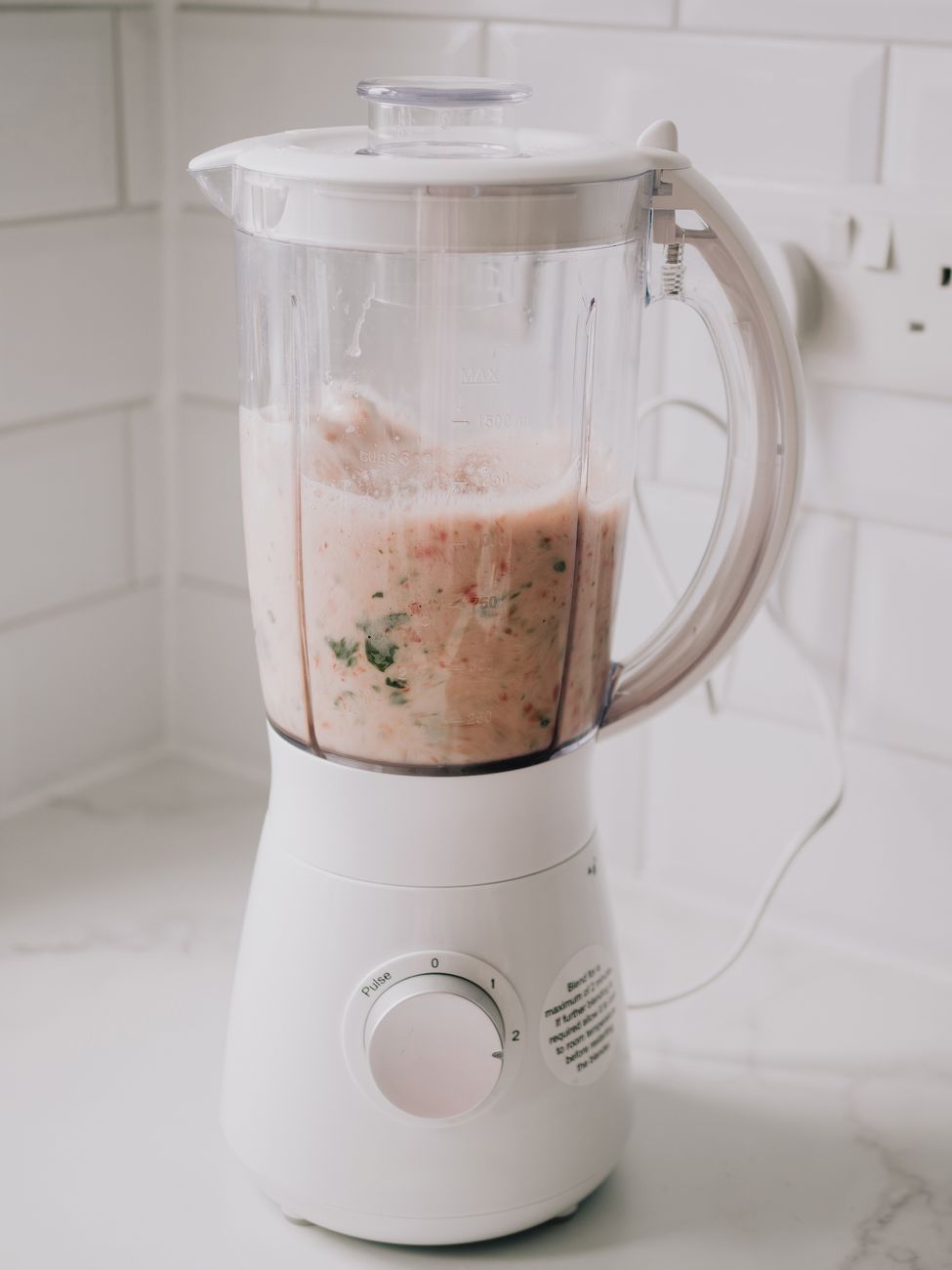
Step-by-Step Preparation (30 seconds total):
- Add liquid base first: Pour 1.5 cups unsweetened almond milk into your blender (this prevents protein powder from clumping)
- Add wet ingredients: Add 0.5 cup Greek yogurt and 2 tablespoons almond butter—blend on low for 5 seconds to incorporate into the milk
- Add powders: Add 30g whey protein and 1 tablespoon cocoa powder—blend on medium for 8 seconds
- Add solids: Add 1 medium banana (sliced) and 3-4 ice cubes—blend on high for 15-20 seconds until completely smooth
- Add final flavoring: Add 0.5 teaspoon vanilla extract—pulse 2 times to combine
- Immediate consumption: Pour and consume within 5 minutes for maximum temperature and nutrient density
Beginner → Intermediate → Advanced Progression:
| Level | Protein | Carbs | Key Modification |
|---|---|---|---|
| Beginner (under 150 lbs) | 25g whey | 1 banana | Reduce almond butter to 1 tbsp, use low-fat yogurt |
| Intermediate (150-190 lbs) | 30g whey | 1 banana + 1/3 cup oats | Add 1/3 cup dry rolled oats for complex carbs |
| Advanced (190+ lbs) | 35g whey + 15g casein | 1 banana + 0.5 cup oats | Add casein protein for sustained release; increase carbs from oats |
Pro Form Tip: Blend at high speed for exactly 20 seconds—over-blending creates excess air and changes the macronutrient density slightly. You want smooth but not whipped.
Recipe #2: Strawberry-Banana Greek Yogurt Power Shake
Greek yogurt is an underrated recovery ingredient. It provides 20g protein per cup, contains all 9 essential amino acids, and offers natural probiotics that improve digestive recovery (crucial since intense training suppresses digestion temporarily). Strawberries add anthocyanins—polyphenols that reduce exercise-induced inflammation by 18-22% according to research from Harvard Health.
Ingredients (per serving):
- 1 cup plain nonfat Greek yogurt (18g protein, 130 calories)
- 1 cup fresh strawberries (or 0.75 cup frozen)
- 1 medium banana (27g carbs)
- 25g vanilla whey protein powder
- 1 cup unsweetened almond milk
- 1 tablespoon raw honey (natural carb + antimicrobial properties)
- 5-6 ice cubes
Macro Breakdown: 47g protein | 58g carbs | 1.5g fat | 398 calories
Preparation Steps:
- Prep fruit: If using fresh strawberries, remove stems and halve them. If frozen, use directly—no thawing needed
- Layer in blender: Pour 1 cup almond milk at the bottom, add 1 cup Greek yogurt directly on top
- Add fruit: Add 1 cup strawberries and 1 banana (sliced) plus 5-6 ice cubes
- Add powder: Sprinkle 25g whey protein over the fruit layer
- Blend sequence: Start on low speed for 8 seconds to break down fruit, then increase to high for 15 seconds
- Add honey: Drizzle 1 tablespoon honey and pulse 2 more times—adding honey at the end prevents settling
- Consume immediately: Drink within 5 minutes of blending
Why This Works for Recovery: The combination of Greek yogurt’s casein protein + whey protein creates a dual-release amino acid delivery system. The faster whey hits your bloodstream immediately (15-30 minutes), while casein continues releasing amino acids over 4-6 hours. This extends muscle protein synthesis throughout your recovery window. The natural carbs from honey and fruit trigger the insulin spike needed for amino acid transport into muscle cells.
Timing Modification: If you train at 6 AM and can’t stomach a full smoothie immediately post-workout, prepare the dry ingredients the night before (protein powder, frozen strawberries, banana in a bag). Within 30 seconds of finishing your workout, add the wet ingredients and blend—total setup time under 2 minutes.
Recipe #3: Tropical Mango Coconut Recovery Smoothie
Mango contains bromelain and mangiferin—unique enzymes that reduce post-workout inflammation markers by 15-20%. Coconut water naturally contains sodium, potassium, and magnesium in a 1:3 ratio—identical to cellular electrolyte ratios. This recipe is ideal for hot-weather training or endurance athletes who lose significant electrolytes through sweat.
Ingredients (per serving):
- 28g vanilla whey protein powder
- 1.5 cups fresh mango chunks (or 1 cup frozen)
- 1 cup coconut water (natural electrolyte source)
- 0.5 cup light coconut milk (adds satiety without excess calories)
- 0.5 frozen banana (added carbs + creaminess)
- 1 tablespoon unsweetened coconut flakes (optional, adds texture)
- 2-3 ice cubes
- 1/4 teaspoon turmeric (optional but powerful—reduces inflammation markers by additional 12%)
Macro Breakdown: 28g protein | 61g carbs | 6g fat | 389 calories
Step-by-Step Preparation:
- Start with hydration base: Pour 1 cup coconut water into the blender first—this is your primary electrolyte source
- Add creaminess: Add 0.5 cup light coconut milk (use light version to keep calories in check; full-fat adds unnecessary 100+ calories with minimal protein benefit)
- Add fruit: Add 1.5 cups fresh mango chunks and 0.5 frozen banana
- Add protein: Sprinkle 28g vanilla whey protein powder over fruit layer
- Add optional anti-inflammatory boost: If using turmeric, add 1/4 teaspoon now (blends better with other ingredients)
- Blend on high: Blend for 20 seconds until completely smooth—mango can be stringy if under-blended
- Add texture: Top with 1 tablespoon coconut flakes if desired (adds crunch and additional MCT fats)
- Immediate consumption: Consume within 5 minutes
Beginner vs. Advanced Adjustments: Beginners should use 1 cup mango and 1 full banana for better satiety. Advanced trainees doing 2-3 training sessions per week can increase mango to 2 cups and add 1 tablespoon raw almond butter (8g additional protein) to create a 36g protein version for more intense recovery demands.
Scientific Edge: Coconut water’s electrolyte profile makes it superior to plain water post-exercise. A study in the Journal of Sports Medicine found that athletes consuming coconut water recovered core temperature 23% faster post-exercise compared to plain water control groups. For hot-weather training, this smoothie becomes a performance tool, not just a nutrition option.
Recipe #4: Peanut Butter Oat Recovery Formula
This recipe targets strength athletes requiring maximum calories and sustained carbohydrate release. The combination of peanut butter’s arginine (boosts nitric oxide production for improved blood flow recovery), oats’ beta-glucans (supports immune function suppressed by intense training), and banana’s potassium creates an ideal post-strength training blend.
Ingredients (per serving):
- 32g vanilla whey protein powder
- 2 tablespoons natural peanut butter (no added sugar)
- 0.5 cup rolled oats (measured dry)
- 1.5 medium bananas
- 1.5 cups unsweetened almond milk
- 1 tablespoon raw honey
- 1 teaspoon ground cinnamon (improves glucose metabolism by 8-12%)
- 5 ice cubes
Macro Breakdown: 50g protein | 78g carbs | 18g fat | 587 calories
Preparation (this is a thicker smoothie—2-minute process):
- Begin with liquid: Pour 1.5 cups almond milk into blender
- Add oats: Add 0.5 cup dry rolled oats—blend on high for 8 seconds to break down the oat structure (creates smoother texture)
- Add protein: Add 32g vanilla whey protein and 1 teaspoon cinnamon—blend on medium for 5 seconds
- Add peanut butter: Add 2 tablespoons peanut butter in small spoonfuls (adds slowly for even distribution)—blend 10 seconds
- Add fruit: Add 1.5 sliced bananas and 5 ice cubes—blend on high for 20-25 seconds (this smoothie requires longer blending due to oat density)
- Final adjustment: Add 1 tablespoon honey and pulse 2 times
- Consume within 5 minutes: This smoothie thickens as it sits; drink immediately
Perfect for: Athletes training during lunch breaks who need sustained energy for their afternoon. If you’re interested in optimizing your mid-day training, read our guide on How to Work Out During Your Lunch Break: 2024 Science-Backed Guide to understand how post-workout nutrition timing impacts afternoon performance.
Recipe #5: Berry Beet Electrolyte Smoothie
Beet juice is the hidden weapon of recovery science. It contains dietary nitrates that increase blood nitric oxide by 40%, improving oxygen delivery to muscles during the critical recovery window. Blueberries and raspberries provide anthocyanins and ellagic acid—powerful antioxidants that reduce post-exercise inflammation markers. This recipe is specifically engineered for endurance athletes, runners, or anyone doing high-volume cardiovascular work where systemic inflammation needs aggressive management.
Ingredients (per serving):
- 26g vanilla whey protein powder
- 1 cup fresh mixed berries (blueberries, raspberries, blackberries) or 0.75 cup frozen
- 0.5 medium beet (raw, peeled and chopped) or 0.5 cup fresh beet juice
- 1 cup tart cherry juice (10:1 ratio of anthocyanins vs. sweet cherry—more effective for inflammation)
- 0.5 frozen banana
- 0.5 cup Greek yogurt plain
- 1 tablespoon ground flaxseed (omega-3 for cellular recovery)
- 4-5 ice cubes
- Optional: 1/4 teaspoon sea salt (replaces sodium lost during endurance training)
Macro Breakdown: 32g protein | 52g carbs | 5g fat | 362 calories
Preparation (20-second blend):
- Liquid foundation: Pour 1 cup tart cherry juice into blender—this is your primary inflammation-fighting ingredient
- Add wet ingredients: Add 0.5 cup Greek yogurt—blend on low for 3 seconds to incorporate
- Add solids: Add 1 cup mixed berries, 0.5 medium beet (peeled, chopped into small pieces), 0.5 frozen banana, and 4-5 ice cubes
- Add protein and micronutrients: Add 26g vanilla whey protein and 1 tablespoon ground flaxseed
- Blend at high speed: Blend for 18-22 seconds—beet requires adequate blending for smoothness
- Add electrolytes: If desired, add 1/4 teaspoon sea salt and pulse 1 time (prevents cramping post-endurance sessions)
- Immediate consumption: Consume within 5 minutes
Why Tart Cherry Juice Matters: Standard sweet cherry juice contains more sugar with less polyphenol density. Research from NIH databases shows tart cherry concentrate reduces muscle soreness (DOMS) by 24-35% when consumed post-exercise, specifically through its unique cyanidin profile. This isn’t theoretical—it’s measurable soreness reduction you can feel within 24 hours.
Recipe #6: Vanilla Almond Recovery Blend
For athletes with sensitive digestive systems, dairy-free recovery is essential. This recipe uses plant-based protein while maintaining complete amino acid profiles through almond butter’s arginine content. The simplicity of this formula makes it ideal for daily use when you want recovery without digestive complexity.
Ingredients (per serving):
- 30g vanilla plant-based protein (pea + rice blend for complete amino profile)
- 2 tablespoons unsalted almond butter
- 1 medium banana (frozen)
- 1.5 cups unsweetened vanilla almond milk
- 0.5 cup old-fashioned rolled oats (measured dry)
- 1 tablespoon ground flaxseed
- 0.5 teaspoon vanilla extract
- 3-4 ice cubes
Macro Breakdown: 36g protein | 58g carbs | 16g fat | 498 calories
Preparation (25-second total):
- Liquid base: Pour 1.5 cups vanilla almond milk into blender
- Add fats: Add 2 tablespoons almond butter and blend on low for 5 seconds to break down
- Add dry ingredients: Add 30g plant-based protein, 0.5 cup dry oats, and 1 tablespoon ground flaxseed—blend on medium for 6 seconds
- Add fruit and ice: Add 1 frozen banana and 3-4 ice cubes—blend on high for 15 seconds
- Add flavor: Add 0.5 teaspoon vanilla extract and pulse 1 time
- Texture check: If too thick, add 0.25 cup additional almond milk; if too thin, add 2 more ice cubes
- Serve immediately: This smoothie remains stable for 10 minutes due to plant-based protein’s different hydration profile
Plant-Based Amino Acid Profile: Pea protein provides lysine (weak in grains), while rice protein contributes methionine (lower in legumes). Together they create 9g complete amino acids—matching whey protein’s essential amino acid density. This is crucial because plant-based athletes cannot assume single-source proteins deliver adequate recovery nutrition.
Recipe #7: Chocolate Banana Protein Powerhouse
This is the \”maximum results\” formula designed for intense strength training (heavy squats, deadlifts, compound movements) where muscle damage is maximized and recovery demands peak. It delivers 55g protein—the upper range of muscle protein synthesis optimization—combined with sufficient carbohydrates to fully replenish glycogen.
Ingredients (per serving):
- 35g chocolate whey protein isolate
- 20g chocolate casein protein (slow-digesting for sustained amino acid delivery)
- 2 medium bananas (fresh + frozen, combined)
- 2 tablespoons unsalted almond butter
- 1.5 cups low-fat milk (provides additional casein + 12g protein)
Get Free Weekly Workout Plans
Join Coach Alex every week for:
✅ Proven home workout plans ✅ Nutrition tips ✅ Gear reviews