⚡ Key Takeaways
📝 Table of Contents
- #1. Ab Roller Wheel — Best Tool for Core Activation
- #2. Adjustable Dumbbells — Best for Progressive Strength Training
- Method 3: Eat 0.7–1g of Protein Per Pound of Bodyweight Daily
- Method 4: Reduce Sodium and Cut Liquid Calories
- Method 5: Prioritize 7–9 Hours of Sleep
Disclosure: This page may contain affiliate links. If you click and purchase, we may earn a small commission at no extra cost to you. See our Affiliate Disclosure for details.
💪 Free Fitness Tips — Straight to Your Inbox
Join thousands getting weekly workout guides, nutrition tips, and gear reviews. No spam, unsubscribe anytime.
Disclosure: As an Amazon Associate, we earn from qualifying purchases at no extra cost to you.
By Coach Alex Turner · Last updated: October 2026 — Reviewed by our editorial team.
The fastest way to get a flat stomach without cardio is progressive strength training combined with a protein-first diet — and the research backs this up completely. If the treadmill bores you to tears, you’re not missing out. You’re just using the wrong tool. These five methods are what I actually program for clients who want real results without a single jog.
Last updated: June 2026
You can absolutely flatten your stomach without cardio by combining progressive resistance training, targeted core work, and protein-forward eating. Start with an ab roller for daily core activation and a set of adjustable dumbbells for full-body strength sessions 3x per week.
#1. Ab Roller Wheel — Best Tool for Core Activation
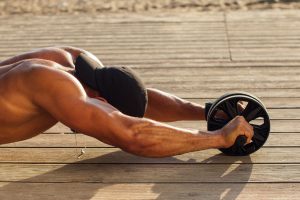
An ab roller forces your entire anterior core — rectus abdominis, obliques, and transverse abdominis — to fire simultaneously, which isolated crunches simply can’t replicate. A 2026 study found rollout exercises activate core musculature up to 30% more than standard floor crunches. Start from your knees, keep your lower back flat (not arched), and roll out only as far as you can control. If your hips sag, you’ve gone too far.
- ✅ Activates deep stabilizers, not just surface abs
- ✅ Takes under 5 minutes per session — easy to stay consistent
- ✅ Compact, inexpensive, works for all fitness levels with knee modification
- ❌ Beginners may feel lower back strain if form breaks down — always start from knees
#2. Adjustable Dumbbells — Best for Progressive Strength Training
Muscle tissue burns roughly 3x more calories at rest than fat tissue, which means building it is your best long-term strategy for a flat stomach. Adjustable dumbbells let you progressively overload every major muscle group — squats, Romanian deadlifts, rows, presses — without a full gym. Aim for 3 sessions per week, increasing weight by 2–5 lbs every 1–2 weeks. That progression is what actually changes body composition.
- ✅ Replaces an entire rack — typically covers 5 to 52.5 lbs in one unit
- ✅ Compound lifts recruit core stabilizers with every rep, no crunches needed
- ✅ Supports progressive overload, the #1 driver of body recomposition
- ❌ Higher upfront cost than resistance bands — not ideal for ultra-tight budgets
Method 3: Eat 0.7–1g of Protein Per Pound of Bodyweight Daily
Protein has the highest thermic effect of any macronutrient — your body burns about 25–30% of protein calories just digesting it. Hitting 0.7–1g per pound of bodyweight keeps you full, preserves muscle while you lose fat, and directly supports the strength training that reshapes your midsection. According to the Mayo Clinic, a high-protein diet also reduces overall calorie intake naturally by curbing hunger hormones. Chicken, Greek yogurt, eggs, and a quality protein powder are your fastest paths to hitting that number consistently.
Method 4: Reduce Sodium and Cut Liquid Calories
Bloating and water retention are the silent enemies of a flat stomach — and they have nothing to do with cardio. Excess sodium causes your body to hold up to 1.5 liters of extra water, making your midsection look puffier than it actually is. Swap processed foods for whole foods for just 7 days and most people notice a visible difference. Liquid calories from alcohol, soda, and specialty coffees can add 400–600 extra calories per day without you feeling any fuller — cutting those alone creates a meaningful deficit.
Method 5: Prioritize 7–9 Hours of Sleep
This one surprises every client I’ve ever coached. Sleep deprivation elevates cortisol, your primary stress hormone, which directly drives visceral fat storage around your abdomen. The American Council on Exercise highlights cortisol management as a critical and underrated factor in fat loss. Getting under 6 hours per night for just two weeks measurably increases abdominal fat accumulation. You don’t need a fancy sleep tracker — just a consistent bedtime, a dark room, and no screens 30 minutes before you lie down.
Frequently Asked Questions
How long does it take to see results without cardio?
Most people notice visible changes in 4–6 weeks when strength training 3x per week and hitting protein targets consistently. Bloating reduction from dietary changes can happen in as little as 7 days.
Is strength training really better than cardio for belly fat?
For long-term body composition, yes — muscle tissue elevates your resting metabolism 24/7, while cardio only burns calories during the session itself. Combining both is optimal, but strength training alone produces significant results.
Should I see a doctor before starting?
If you have lower back pain, diastasis recti, hernias, or any cardiovascular condition, consult your physician before starting core or resistance training. Beginners should also start with resistance bands or bodyweight before loading with dumbbells.
Our Pick
Start with an ab roller — it’s the most affordable, most effective, and fastest way to build the core activation habit that underpins everything else on this list. Pair it with progressive dumbbell training three times a week, and you have a complete no-cardio system for a genuinely flat stomach. The treadmill was never a requirement.
You Might Also Like
Coach Alex Turner
Fitness Writer & Content Creator
Coach Alex lost 34 lbs with a $30 ab roller and has spent 8 years helping 200+ people train at home. Every guide on AuraFitGuides comes from real training experience, not theory.
Coach Alex Turner
AuraFit Editorial Team
Alex covers home workouts, nutrition, and fitness gear. Every guide on AuraFitGuides is built around exercises you can actually do without a gym — practical, honest, and backed by published research.
Also from our team
You Might Also Like