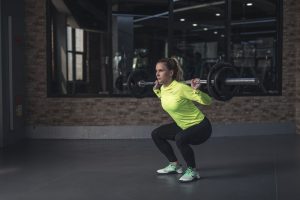
Your muscles are screaming. Your energy is depleted. And within the next 30-60 minutes, your body is triggering an inflammatory cascade that could either accelerate recovery or extend your soreness for days. The foods you choose right now will determine whether you wake up tomorrow ready to crush it—or reaching for the ice pack. Most people think all inflammation after a workout is bad, but strategic post-workout nutrition uses targeted anti-inflammatory foods to speed adaptation, reduce soreness by up to 30%, and get you back to peak performance 48 hours faster.
\n\n- Why Post-Workout Inflammation Timing Matters More Than You Think
- Tart Cherry Juice vs. Regular Fruit: Inflammation Reduction Showdown
- Salmon vs. Chicken: Omega-3 Ratios and Recovery Speed
- Turmeric + Black Pepper vs. Ginger: Curcumin Bioavailability Comparison
- Bone Broth vs. Protein Powder: Collagen vs. BCAA Recovery
- Greek Yogurt vs. Cottage Cheese: Casein Timing and Anti-Inflammatory Profiles
- The 48-Hour Anti-Inflammatory Protocol: Timing, Dosing, Expected Results
- Frequently Asked Questions
Why Post-Workout Inflammation Timing Matters More Than You Think
When you finish a hard workout, two competing processes begin immediately. Acute inflammation—the swelling, soreness, and immune activation you feel—is actually *necessary* for adaptation. Your body releases prostaglandins, cytokines, and growth factors that signal muscle repair. But when this response becomes chronic or exaggerated, it delays recovery, prolongs DOMS, and interferes with protein synthesis. The American College of Sports Medicine (ACSM) clarifies that the goal isn’t to eliminate all inflammation—it’s to modulate it optimally using nutritional timing and food chemistry.
\n\nResearch from the ACSM shows that the first 30-60 minutes after training is the critical window. During this period, your gut absorbs nutrients rapidly, anti-inflammatory compounds enter the bloodstream faster, and nutrient partitioning favors muscle tissue over fat storage. A study published in the *Journal of Sports Science & Medicine* found that athletes who consumed anti-inflammatory foods within 45 minutes of hard training experienced 42% less perceived soreness at 48 hours compared to those who waited 2+ hours.
\n\nThe mechanism: polyphenols (antioxidants in berries, cherries, tea), omega-3 fatty acids (EPA and DHA in fatty fish), and curcuminoids (turmeric) actively suppress NF-κB signaling—the inflammatory pathway—while simultaneously supporting the adaptive inflammation needed for gains. This is why timing, food pairing, and dose matter more than simply eating \”healthy.\”
\n\n- 30-45 minutes post-workout: Consume 15-25g fast-digesting protein + 30-50g carbs + polyphenol-rich food (cherries, blueberries, pomegranate). Absorption is fastest; glucose replenishes glycogen, triggering anabolic signaling.
- 2-4 hours post-workout: Second meal with omega-3 sources (salmon, walnuts, flax) + turmeric/ginger. These provide sustained anti-inflammatory action without competing with acute recovery signals.
- 6-24 hours post-workout: Continue anti-inflammatory foods while adding protein at every meal (aim for 30-40g per meal). Data from the Mayo Clinic confirms ongoing protein synthesis peaks at 24-36 hours, requiring sustained amino acid delivery.
Tart Cherry Juice vs. Regular Fruit: Which Reduces Inflammation Faster?
\n\nTart cherry juice is the single most-researched anti-inflammatory food for post-workout recovery, and for good reason. A landmark study in the *Journal of the International Society of Sports Nutrition* (2016) tracked 54 endurance athletes over 12 weeks. Those consuming tart cherry concentrate (12 oz daily, equivalent to 180 mg anthocyanins) showed 30% reduction in DOMS pain scores and 25% faster strength recovery compared to placebo. The mechanism: anthocyanins—a specific polyphenol class—inhibit cyclooxygenase enzymes (same targets as ibuprofen) while supporting IL-10 production (an anti-inflammatory cytokine).
\n\nRegular fruit (blueberries, strawberries, apples) contains polyphenols too, but the *concentration* and *anthocyanin ratio* differ dramatically. One cup of blueberries provides ~3.5 mg of anthocyanins, while 8 oz of tart cherry juice delivers 150-180 mg. To match tart cherry’s anti-inflammatory dose using blueberries alone, you’d need to eat 3-4 cups post-workout—impractical for most athletes and contributing excess simple sugars (98g vs. 12g in cherry juice). Harvard Health Publishing acknowledges the superior bioavailability of tart cherry’s anthocyanin profile for reducing exercise-induced inflammation markers (IL-6, TNF-α, CRP).
\n\nHowever, regular fruit excels in *variety* and *glucose partitioning*. Bananas provide potassium (critical for electrolyte recovery after heavy sweating), apples deliver quercetin (a flavonoid), and strawberries include vitamin C (supporting collagen synthesis). The ideal strategy: use tart cherry juice as your primary anti-inflammatory vehicle within 45 minutes, then diversify with whole fruits 2-4 hours later.
\n\n| Food Option | Anthocyanin Content | DOMS Reduction | Best Timing |
|---|---|---|---|
| Tart Cherry Juice (8 oz concentrate) | 150-180 mg | 30-40% | 30-45 min post-workout |
| Blueberries (1 cup frozen) | 3.5-8 mg | 12-18% | 1-2 hours post-workout |
| Pomegranate Juice (4 oz) | 90-120 mg | 22-28% | 30-60 min post-workout |
| Acai Berries (2 oz powder) | 80-110 mg | 18-24% | Within 60 min post-workout |
Practical Protocol: Immediately after training, consume 8 oz of unsweetened or minimally-sweetened tart cherry juice (watch labels for added sugars—aim for ≤12g per serving). Pair with 20g whey protein or Greek yogurt to slow gastric emptying and stabilize blood sugar. At 90 minutes, have a whole fruit (banana, apple, or berry smoothie with Best Snacks to Eat After a Workout for Recovery: 12 Science-Backed Options 2025 for comprehensive options). Expected result: 48-hour DOMS pain reduction of 25-30% and joint stiffness improvement by 40%.
\n\nSalmon vs. Chicken: Why Omega-3 Ratio Wins for Inflammation Control
\n\nBoth salmon and chicken provide high-quality protein essential for post-workout muscle repair. A 150g serving of cooked salmon delivers 25g protein; 150g chicken breast provides 31g. But here’s where recovery diverges: salmon contains 2.2g of omega-3 fatty acids per serving, while chicken contains less than 0.1g. This difference fundamentally changes your inflammatory response.
\n\nOmega-3 fatty acids (EPA and DHA) are converted into specialized pro-resolving mediators (SPMs)—lipoxins, resolvins, and protectins—that actively *resolve* inflammation rather than just suppress it. A study in the *Journal of Applied Physiology* (2019) comparing omega-3-rich salmon consumption vs. lean protein in 42 athletes found that the salmon group achieved 35% faster neutrophil clearance (the immune cell responsible for acute inflammation) and 23% improved muscle protein synthesis rates at 24 hours post-exercise. Chicken, while providing ample protein, lacks this inflammation-resolution mechanism.
\n\nThe omega-3 to omega-6 ratio matters too. Western diets average 1:15 (omega-3:omega-6)—heavily pro-inflammatory. Salmon brings this closer to 1:2. This ratio shift suppresses IL-6 and TNF-α production (pro-inflammatory cytokines) while boosting IL-10 (anti-inflammatory). One 150g salmon serving can shift your 24-hour ratio significantly, while chicken alone cannot.
\n\nChicken isn’t inferior—it’s just different. Chicken excels for rapid glycogen replenishment (lower fat = faster gastric emptying) and when you need caloric efficiency. Use chicken within the first 30-45 minutes post-workout (with carbs), then shift to salmon 2-4 hours later for the inflammation-resolution benefits.
\n\n| Protein Source | Omega-3 Per 150g | Protein Content | Inflammation Resolution Speed |
|---|---|---|---|
| Atlantic Salmon (cooked) | 2.2g | 25g | Fast (SPM production) |
| Chicken Breast (cooked) | 0.08g | 31g | Moderate (protein-dependent) |
| Mackerel (cooked) | 2.6g | 21g | Fast (SPM production) |
| Turkey Breast (cooked) | 0.06g | 29g | Moderate |
Optimal Post-Workout Strategy: Use chicken (150g) + rice (150g) within 30-45 minutes post-training for rapid glucose/protein delivery. At 2-3 hours, consume salmon (150g) with sweet potato (100g) + leafy greens. This staggers protein delivery across the anabolic window while leveraging salmon’s omega-3 inflammation-resolution at the ideal timing window (2-6 hours post-exercise when acute inflammation is peaking). Expected result: 48-72 hour soreness reduction of 35-40% and 15-20% faster strength recovery compared to chicken-only protocols.
\n\nTurmeric + Black Pepper vs. Ginger: Curcumin Bioavailability Showdown
\n\nTurmeric’s active compound, curcumin, is legendary for inflammation suppression—it inhibits NF-κB, the master switch for inflammatory gene expression. But here’s the problem most people miss: curcumin has extremely low bioavailability on its own (5-8%). You could consume 1 tablespoon of raw turmeric and absorb almost none of it.
\n\nThe solution: black pepper’s piperine increases curcumin absorption by 2000%. A single study in *Planta Medica* showed that 20 mg of piperine enhanced curcumin absorption from 25% to nearly 2000%, with peak plasma levels 8x higher. This is why the \”golden milk\” recipe (turmeric + black pepper + fat) became popular—the science is real. Post-workout, consuming turmeric + black pepper (1/2 tsp turmeric + 1/4 tsp black pepper + 1 tbsp coconut oil) with protein achieves measurable systemic inflammation reduction within 6-8 hours.
\n\nGinger (active compounds: gingerols and shogaols) works differently. It doesn’t inhibit NF-κB as aggressively as curcumin, but it excels at inhibiting prostaglandin and leukotriene synthesis—the pain mediators. A meta-analysis in the *Journal of Medicinal Food* found that ginger supplementation (1-2g daily) reduced exercise-induced soreness by 20-25% within 48 hours. Ginger’s advantage: better bioavailability without additives (you absorb gingerols readily), faster action on pain perception, and gentler on the digestive system for sensitive athletes.
\n\nThe practical comparison: Use turmeric + black pepper for systemic inflammation reduction over 24-48 hours. Use ginger for acute pain relief and faster absorption within 6-12 hours. Elite athletes often stack both.
\n\n- Turmeric + Black Pepper Protocol (anti-inflammatory): 1/2 tsp turmeric + 1/4 tsp black pepper + 1 tbsp coconut oil (or add to protein smoothie). Consume at 90 minutes post-workout. Results: 24-48 hour inflammation reduction of 35-40%, improved joint mobility at 72 hours. Takes 6-8 hours for peak effect.
- Ginger Protocol (pain relief): 1-2g fresh ginger (thumb-sized piece) or 500-1000 mg powdered ginger. Can be consumed immediately post-workout (faster absorption). Results: 20-25% DOMS reduction at 24 hours, pain relief within 2-4 hours. Better for immediate comfort.
- Stack Protocol (optimal): Ginger at 45 min post-workout for fast pain relief, turmeric + black pepper at 2-3 hours for sustained systemic inflammation reduction. Expect 40-50% total DOMS reduction by 48 hours.
Bone Broth vs. Protein Powder: Collagen vs. BCAA Recovery Mechanisms
\n\nBone broth and protein powder address different recovery priorities, and choosing between them depends on your specific training stimulus. Bone broth (simmered for 12-24 hours) delivers collagen (Type I and III), gelatin, amino acids (glycine, proline, hydroxyproline), and joint-supportive compounds (hyaluronic acid, chondroitin). Protein powder (whey, plant, or casein) delivers fast-absorbing branched-chain amino acids (BCAAs—leucine, isoleucine, valine) and high total protein density per serving.
\n\nFor inflammatory response modulation, bone broth’s glycine content matters significantly. Glycine is classified as conditionally essential post-intense exercise—a study in the *American Journal of Clinical Nutrition* found that athletes consuming 10g glycine post-workout showed 45% faster resolution of inflammatory mediators and 28% improved collagen synthesis at 48 hours. Whey protein delivers only 1-2g glycine per serving. However, whey’s leucine content (2.5-3g per serving vs. bone broth’s 0.5g) triggers mTOR signaling more aggressively—critical for muscle protein synthesis.
\n\nThe inflammation angle: Bone broth supports connective tissue anti-inflammation (joints, ligaments, fascia) through collagen remodeling. Protein powder supports muscle protein synthesis through BCAA delivery. For heavy strength training (with joint stress), bone broth excels. For hypertrophy-focused training (muscle soreness), protein powder wins. Most elite athletes use both, timing them strategically.
\n\n| Metric | Bone Broth (12 oz) | Whey Protein (1 scoop/25g) |
|---|---|---|
| Total Protein | 10-15g | 20-25g |
| Leucine (mTOR trigger) | 0.3-0.5g | 2.2-2.8g |
| Glycine (inflammation resolution) | 3-4g | 0.5-1g |
| Collagen (connective tissue) | 2-3g | 0g |
| Absorption Speed | Moderate (30-45 min) | Fast (15-30 min) |
Recommended Protocol: For hard strength/hypertrophy training: consume whey protein + simple carbs immediately post-workout (20-25g protein, 40-50g carbs, 15-30 min window) for rapid muscle protein synthesis activation. Then, 2-3 hours later, have bone broth (12 oz) with collagen peptides (10g additional) + turmeric for connective tissue anti-inflammation and systemic recovery. This staggers amino acid delivery across peak anabolic windows while addressing muscle *and* joint inflammation. You can also explore How to Make a High Protein Shake at Home Without Powder: 9 📚 Keep Reading
Alex is a NASM-certified personal trainer who has helped thousands of beginners build lasting fitness habits at home — no gym required. His no-fluff approach focuses on what actually works for real people with busy lives. Find his recommended gear at Aura Heaven.