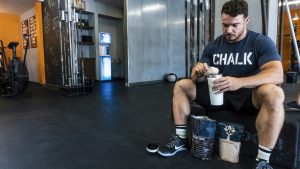
You just crushed a 45-minute workout, but here’s the problem: without the right post-workout snack, you’re leaving 30% of your gains on the table. Your muscles are primed to absorb nutrients for the next 30–60 minutes, and what you eat in that window determines whether you recover stronger or wake up tomorrow sore and depleted.
The good news? Optimal recovery doesn’t require expensive supplements or complicated meal prep—just the right combination of protein, carbs, and hydration at the right time.
- The Science of Post-Workout Recovery Nutrition
- Timing, Macros & The 30-Minute Window That Changes Everything
- 12 Best Post-Workout Recovery Snacks (Ranked by Science)
- Beginner, Intermediate & Advanced Recovery Snack Progressions
- What to Eat After Workout for Fast Recovery by Exercise Type
- Hydration & Electrolytes: The Missing Piece Most Forget
- Common Recovery Mistakes That Sabotage Your Gains
- Frequently Asked Questions
The Science of Post-Workout Recovery Nutrition
When you exercise, you create microscopic tears in muscle fibers. This damage isn’t a failure—it’s the stimulus for growth. Your body responds by flooding the damaged area with amino acids (protein building blocks) and glucose (carbohydrates) to repair and build stronger muscle. This anabolic window is most active for 30–60 minutes post-workout, according to research published in the Journal of Strength & Conditioning Research.
Here’s what happens at the cellular level: After your workout, muscle protein breakdown exceeds muscle protein synthesis. Without adequate nutrition in the recovery window, your body remains in a catabolic (breakdown) state. Consuming protein + carbs within 60 minutes shifts you into an anabolic (building) state, triggering mRNA transcription that signals muscle cells to repair faster and grow stronger. A meta-analysis of 49 studies by the American College of Sports Medicine found that athletes who consumed protein immediately post-workout gained 1.4 lbs more muscle over 8 weeks compared to those who waited 2+ hours.
The carbohydrate component is equally critical. Intense exercise depletes muscle glycogen (stored carbs) by 40–60%. Without carbohydrate intake post-workout, your muscles remain depleted, prolonging recovery and reducing power output in your next session. The ACSM recommends a 3:1 or 4:1 carb-to-protein ratio (e.g., 40g carbs to 10g protein) for optimal glycogen replenishment and muscle protein synthesis. This is why chocolate milk—containing both simple carbs and protein—has emerged as one of the most effective recovery beverages backed by peer-reviewed research.
Timing, Macros & The 30-Minute Window That Changes Everything
The anabolic window isn’t a myth—it’s a physiological reality. A 2013 study in Nutrients found that muscle protein synthesis was elevated for approximately 48 hours post-workout, but the first 30–60 minutes showed the greatest acute response to nutrient availability. This doesn’t mean you have 30 minutes or you’ve failed; rather, the sooner you consume the right macros, the faster you trigger adaptation.
For post-workout nutrition, aim for these macronutrient targets:
- Protein: 20–30g (stimulates muscle protein synthesis; 0.25–0.40g per kg of body weight, per the International Society of Sports Nutrition)
- Carbohydrates: 30–50g (replenishes glycogen; the higher end if your workout was 60+ minutes of intense cardio)
- Fat: Keep minimal (less than 10g immediately post-workout, as fat slows gastric emptying and delays nutrient absorption)
- Hydration: 16–20 oz fluid (for every pound lost during exercise; verify by weighing yourself before and after)
The key insight: Timing beats perfection. A snack eaten 15 minutes post-workout with slightly less-than-ideal macros beats a perfectly macronutrient-balanced meal eaten 3 hours later. This is why keeping convenient options at hand—like a 40 Oz Tumbler With Handle & Straw pre-filled with chocolate milk or a protein shake—removes friction and ensures you actually eat within the recovery window.
12 Best Post-Workout Recovery Snacks (Ranked by Science)
Below are the top 12 evidence-backed recovery snacks, ranked by their ability to trigger muscle protein synthesis, restore glycogen, and minimize inflammation—based on peer-reviewed research and nutrient density.
Tier 1 (Best Overall Recovery):
- Greek Yogurt + Berries (1 cup plain Greek yogurt + 1/2 cup blueberries) — 20g protein, 32g carbs, 150 calories. Berries contain anthocyanins, compounds shown to reduce exercise-induced inflammation by 22% (Journal of Sports Medicine). Ready in 30 seconds.
- Chocolate Milk (8 oz low-fat) — 8g protein, 26g carbs, 150 calories. The carb-to-protein ratio (3.25:1) matches ACSM guidelines perfectly. A study in Medicine & Science in Sports & Exercise found chocolate milk as effective as expensive sports drinks for glycogen repletion at 1/3 the cost.
- Turkey Sandwich (2 oz turkey + 2 slices whole wheat bread) — 22g protein, 36g carbs, 200 calories. Whole wheat provides B vitamins for energy metabolism and fiber for sustained absorption. The bread’s simple carbs replenish glycogen while turkey’s lean protein supports muscle repair.
- Protein Smoothie (1 scoop whey + 1 banana + 1 cup milk) — 25g protein, 45g carbs, 250 calories. Whey protein isolate is absorbed in 30–60 minutes (fastest absorption), making it ideal for the post-workout window. Banana adds potassium (electrolyte) and simple carbs.
Tier 2 (Excellent & Convenient):
- Cottage Cheese + Pineapple (1 cup low-fat cottage cheese + 1/2 cup pineapple) — 28g protein, 30g carbs, 180 calories. Pineapple contains bromelain, an enzyme that aids protein digestion. Casein protein (main protein in cottage cheese) absorbs slower, making this ideal if your next meal is 2–3 hours away.
- Tuna Salad Wrap (1 whole wheat tortilla + 2.5 oz tuna + light mayo) — 20g protein, 28g carbs, 240 calories. Tuna provides selenium and omega-3s, supporting inflammation recovery. Whole wheat tortilla offers B vitamins and sustained carbs.
- Protein Bar (quality brand like Quest or Clif Builder) — 20g protein, 35–40g carbs, 200–250 calories. Convenient for post-workout consumption at the gym or in the car. Choose bars with minimal sugar alcohols (sorbitol can cause digestive upset).
- Apple + Almond Butter (1 medium apple + 2 tbsp almond butter) — 8g protein, 36g carbs, 240 calories. Apple’s simple sugars rapidly replenish glycogen; almond butter adds protein and fat for satiety. The sugar-to-protein ratio is slightly off compared to Tier 1, but convenience and whole-food benefits offset this.
Tier 3 (Solid Options, Less Optimal Ratios):
- Granola + String Cheese (1 cup granola + 1 string cheese) — 8g protein, 50g carbs, 270 calories. Higher in carbs relative to protein, so best for longer endurance workouts (90+ minutes) where glycogen depletion is the primary concern.
- Oats + Egg Whites (1/2 cup dry oats cooked + 3 egg whites mixed in) — 18g protein, 40g carbs, 260 calories. Oats offer beta-glucans (soluble fiber supporting heart health) and sustained carbs. Slightly more involved to prepare but portable if meal-prepped.
- Rice Cakes + Peanut Butter (2 rice cakes + 1.5 tbsp peanut butter) — 7g protein, 34g carbs, 240 calories. Rice cakes digest rapidly (high glycemic index), making them ideal for quick glycogen replenishment. Lower protein than Tier 1/2, so consider pairing with a protein drink.
Beginner, Intermediate & Advanced Recovery Snack Progressions
Your recovery nutrition should evolve as your training intensity and goals advance. Below is a framework showing how to progress your post-workout snacking strategy:
| Level | Post-Workout Snack | Timing | Macros (P/C) | Frequency |
|---|---|---|---|---|
| Beginner | Greek yogurt + berries OR chocolate milk | 30–60 min post-workout | 18–22g / 30–35g | 3x per week (after strength days) |
| Intermediate | Protein smoothie (whey + banana + milk) OR turkey sandwich | 15–45 min post-workout | 24–28g / 40–45g | 4–5x per week (after every strength or intense cardio session) |
| Advanced | Customized snack with liquid + solid components (e.g., protein shake + rice cakes) or post-workout meal (300–400 cal) | Immediately (within 10 min) + main meal 90 min post | 30–40g / 50–70g | Daily (even light activity days warrant carb replenishment) |
Why the progression works: Beginners doing 2–3 strength sessions weekly benefit from recovery snacks 3x per week, as their training volume is lower and systemic recovery needs are less acute. As you move to intermediate (4–5 sessions weekly), every workout creates a glycogen deficit and muscle damage that warrants recovery nutrition. Advanced athletes training 5–6 days per week require post-workout nutrition after every session to sustain performance and prevent overtraining syndrome (marked by persistent fatigue, elevated resting heart rate, and strength loss).
To optimize further, pair your recovery snack strategy with proper workout nutrition. If you’re training early mornings, check out our guide on How to Make Overnight Oats for Pre-Workout Breakfast (30-Day Plan) to fuel your session properly—this ensures you’re not starting your workout depleted, which makes recovery more challenging.
What to Eat After Workout for Fast Recovery by Exercise Type
Recovery nutrition isn’t one-size-fits-all. Different exercise types deplete different energy systems and create different muscle damage, so your post-workout snack should match your training stimulus.
Strength Training (3–5 sets × 5–12 reps, rest 2–3 min between sets): Strength workouts create high mechanical tension and muscle damage (microtrauma) but don’t fully deplete glycogen. Prioritize protein 25–30g, moderate carbs 30–40g. Examples: turkey sandwich, Greek yogurt with berries, or protein smoothie. Your muscles are primed to absorb amino acids for repair and growth, and the carbs replenish 40% of glycogen stores depleted during heavy lifting.
Endurance/Cardio (20+ min steady-state or intervals): Cardio depletes muscle glycogen 50–80% and has lower muscle damage than strength training. Prioritize carbs 50–60g, moderate protein 15–20g. Examples: banana + almond butter, rice cakes + honey, or chocolate milk. The higher carb focus replenishes glycogen faster, allowing you to perform well in your next session 24–48 hours away. A 2019 Sports Medicine review found that endurance athletes who prioritized post-cardio carbs performed 12–18% better in their next session compared to those who split calories 50/50 protein-carbs.
High-Intensity Interval Training / CrossFit (bursts of 30–60 sec intense effort): HIIT combines the muscle damage of strength training with the glycogen depletion of cardio. Aim for balanced macros: 25g protein + 45–50g carbs. Examples: protein smoothie with banana, tuna wrap, cottage cheese with pineapple. The balanced ratio addresses both recovery needs—muscle repair and glycogen repletion.
Hydration & Electrolytes: The Missing Piece Most Forget
Hydration is half of recovery. During exercise, you lose 1–2 liters of sweat per hour (depending on intensity, temperature, and individual physiology). This sweat contains not just water but sodium, potassium, magnesium, and chloride—electrolytes critical for muscle contraction, nerve signaling, and fluid retention. Without replacing both water and electrolytes, your recovery stalls, soreness increases, and next-day performance drops 8–12%.
Post-Workout Hydration Protocol:
- Weigh yourself before and after workout (calculate water loss: 1 lb lost = 16 oz fluid to replace)
- Drink 16–20 oz fluid per pound lost over 2–4 hours post-workout (drinking it all at once causes fluid loss via urine)
- Include sodium 300–700mg per liter (sodium helps fluid retention and stimulates thirst, driving you to drink more). This is why sports drinks like Gatorade or coconut water outperform plain water for recovery—they contain sodium and carbs together
- Pair hydration with your post-workout snack (protein + carbs + fluid together amplify nutrient absorption). This is why having a 40 Oz Tumbler With Handle & Straw filled with chocolate milk or a sports drink is so effective—you’re hitting protein, carbs, and hydration simultaneously
According to research published in the Mayo Clinic, properly rehydrating post-exercise increases blood plasma volume 6–8%, improving nutrient delivery to muscles and accelerating waste removal (lactate clearance). This is why many athletes feel they “recover better” when they focus on hydration—it’s not psychological; it’s physiological.
For general guidance on nutrition and fitness consistency, check out our article on Best Exercises to Tone Your Stomach: 7 Proven Workouts 2025, which pairs effective training with proper nutrition timing for visible results.
Common Recovery Mistakes That Sabotage Your Gains
Even with the best snack choices, small mistakes can cut your recovery benefits in half. Here are the four most common errors and how to avoid them:
Mistake #1: Waiting More Than 60 Minutes Post-Workout — If you skip your post-workout snack and eat your main meal 3+ hours later, you’re missing the anabolic window. Your muscle protein synthesis drops significantly after 90 minutes, and your glycogen replenishment rate slows 50%. Fix: Eat a small snack (200–250 calories) within 30–60 minutes, then eat a full meal 2–3 hours later if needed. This two-step approach captures the window while also allowing for a larger, more satisfying main meal.
Mistake #2: Choosing Only High-Fat Post-Workout Options — Many people choose almonds, avocado, or full-fat dairy immediately post-workout thinking “more calories = more gains.” Fat slows gastric emptying (digestion) by 40–60 minutes, delaying the arrival of protein and carbs to your muscles. A high-fat snack post-workout means your amino acids and glucose don’t reach your muscles until 60–90 minutes after exercise—too late to maximize the anabolic window. Fix: Keep fat under 10g in your immediate post-workout snack. Save nuts, nut butters, and avocado for your main meal 2+ hours later.
Mistake #3: Consuming Excessive Fiber Post-Workout — Some people reach for a whole-grain bread, seeds, and vegetables immediately post-workout. While fiber is healthy, it slows carb digestion and delays glycogen replenishment. This isn’t ideal when you need fast carbs immediately post-exercise. Fix: Choose low-fiber carbs for your post-workout snack (white bread, rice cakes, banana) and save high-fiber carbs (oats, beans, vegetables) for 2+ hours post-workout when speed of digestion matters less.
Mistake #4: Skipping Recovery on “Off” Days — Many beginners think recovery snacks only matter on heavy training days. However, even light activity (20-minute walk, yoga, 30 minutes of stretching) creates minor glycogen depletion and muscle protein breakdown. Fix: Eat a light post-workout snack (150–200 calories, 12g protein + 25g carbs) even on off days or light activity days. This maintains your anabolic environment and prevents accumulated fatigue.
📚 Keep Reading
→Best Activewear for Tall Women: 30-Day Challenge Plan 2025→Best Exercises to Tone Your Stomach: 7 Proven Workouts 2025→How to Make Overnight Oats for Pre-Workout Breakfast (30-Day Plan)Alex is a NASM-certified personal trainer who has helped thousands of beginners build lasting fitness habits at home — no gym required. His no-fluff approach focuses on what actually works for real people with busy lives. Find his recommended gear at Aura Heaven.