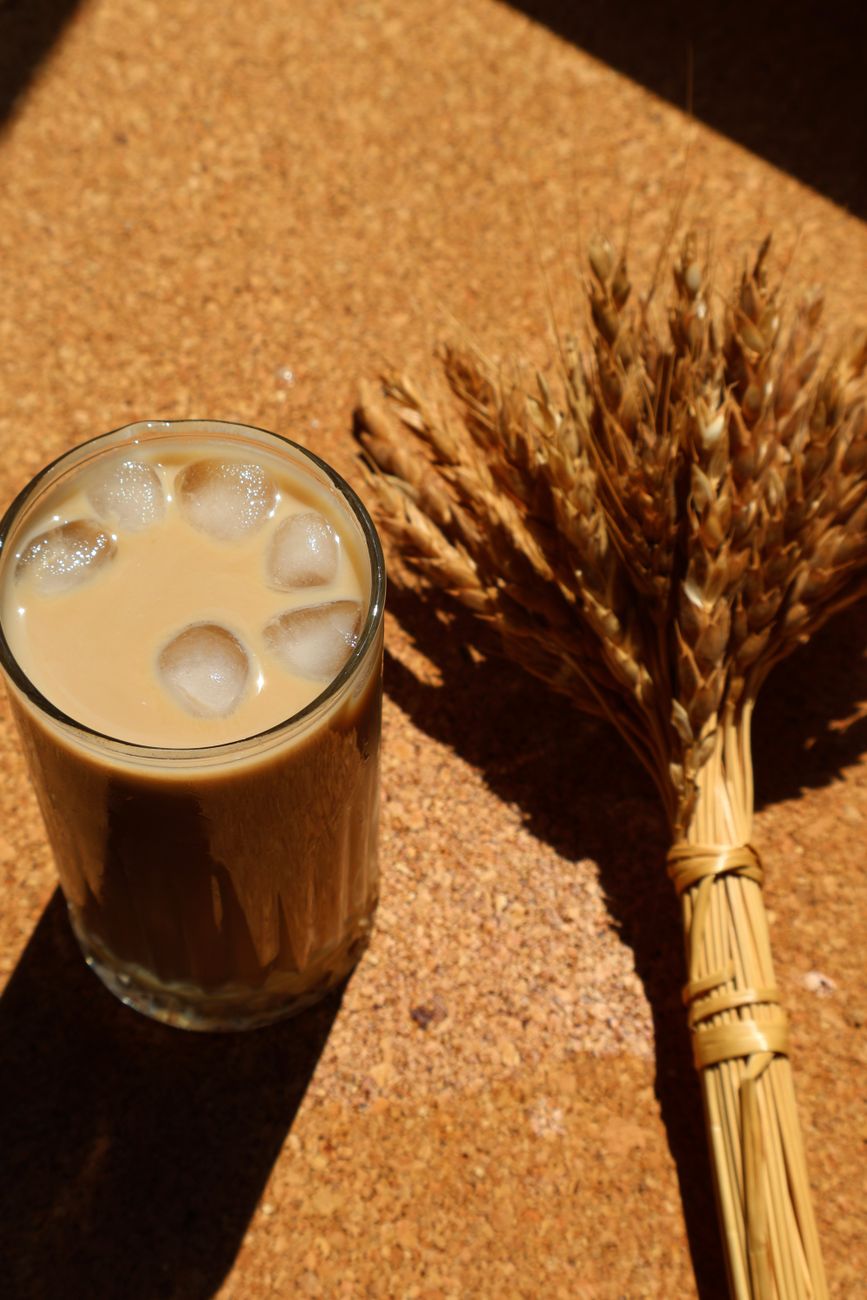
You have 30 minutes before your workout, and you’re reaching for that sugary chain-store iced coffee loaded with 40+ grams of refined carbs and artificial flavors. What if you could make a science-backed pre-workout iced coffee at home in less than 5 minutes that actually enhances your performance, stabilizes your energy, and costs a fraction of the price? This isn’t just coffee—it’s a strategic performance tool backed by research from the American College of Sports Medicine (ACSM).
- Why Caffeine Timing Matters for Pre-Workout Performance
- The Science Behind Coffee + Protein for Sustained Energy
- The 5-Minute Healthy Iced Coffee Recipe (Step-by-Step)
- 3 Advanced Variations for Different Workout Types
- Ingredient Quality: What Really Matters
- How to Time Your Pre-Workout Coffee for Peak Results
- Common Mistakes That Tank Your Workout Performance
- Frequently Asked Questions
- Why Caffeine Timing Matters for Pre-Workout Performance
- The Science Behind Coffee + Protein for Sustained Energy
- The 5-Minute Healthy Iced Coffee Recipe (Step-by-Step)
- 3 Advanced Variations for Different Workout Types
- Ingredient Quality: What Really Matters
- How to Time Your Pre-Workout Coffee for Peak Results
- Common Mistakes That Tank Your Workout Performance
Why Caffeine Timing Matters for Pre-Workout Performance
The difference between a mediocre workout and a high-performance session often comes down to one thing: when you consume caffeine relative to exercise. According to the American College of Sports Medicine (ACSM), caffeine reaches peak blood levels between 30-60 minutes after consumption, with effects lasting 4-6 hours. This timing window is critical—drink your coffee too early and peak caffeine wears off mid-workout; drink it too late and you’re still ramping up when you finish.
Research published in the Journal of the International Society of Sports Nutrition found that athletes who consumed 3-6 mg of caffeine per kilogram of body weight 60 minutes before exercise showed significant improvements in power output, endurance capacity, and perceived exertion. For a 150-pound person (68 kg), this translates to approximately 200-410 mg of caffeine—roughly the amount in a single strong cup of coffee.
But here’s the catch: caffeine alone causes a spike-and-crash effect that actually impairs your workout. Without accompanying protein and healthy fats, caffeine causes a rapid rise in blood glucose followed by a sharp drop, leaving you fatigued mid-lift or cardio session. This is why commercial pre-workout supplements pair caffeine with carbohydrates and amino acids—not just for flavor, but for sustained energy delivery. When you make your own, you control every ingredient and avoid the artificial additives that cause jitters or stomach upset.
The Science Behind Coffee + Protein for Sustained Energy

The magic of a healthy pre-workout iced coffee isn’t just the caffeine—it’s the strategic combination of caffeine + protein + healthy fats that creates a stable, sustained energy curve. When you add protein powder (whey, plant-based, or collagen) to your coffee, you’re adding amino acids that your muscles can immediately mobilize during training. A study in the American Journal of Clinical Nutrition demonstrated that protein consumption 30-60 minutes pre-exercise increases muscle protein synthesis by 122% compared to caffeine alone.
Healthy fats (MCT oil, nut butter, or coconut oil) serve a dual purpose: they slow gastric emptying, which prevents the caffeine spike-crash cycle, and they provide immediate fuel for higher-intensity workouts. The ACSM Position Stand on Nutrition and Athletic Performance specifically recommends a combination of carbohydrates, protein, and moderate fat in the pre-workout meal to maximize energy availability and reduce muscle breakdown during training.
MCT (medium-chain triglyceride) oil deserves specific mention because it’s converted directly to ketones in the liver, meaning it enters your bloodstream within 10-15 minutes—faster than any other fat source. This is why CrossFit athletes and endurance performers add it to their pre-workout drinks. A typical dose is 0.5-1 oz (equivalent to 1-2 teaspoons) mixed into your coffee. More than that and you’ll experience gastrointestinal distress during exercise.
The 5-Minute Healthy Iced Coffee Recipe (Step-by-Step)
Total prep time: 4-5 minutes. Serving size: 1 pre-workout drink (16-20 oz). Calories: 210-260. Protein: 10-12g. Caffeine: 180-220mg.
This is the exact recipe used by athletes who want performance benefits without artificial ingredients or sugar crashes. The beauty of this recipe is its flexibility—you can adjust ratios based on your body weight, workout intensity, and individual caffeine tolerance.
Ingredients:
- 8 oz cold brew coffee (or strong chilled espresso) – Pre-brew the night before or use a 1:4 coffee-to-water cold brew concentrate
- 0.5 oz MCT oil (1 tablespoon) – Non-negotiable for sustained energy; adds ~120 calories but prevents the crash
- 10g whey protein powder (vanilla or unflavored) – Or plant-based if dairy-free; this is ~40 calories and ~10g protein
- 1 tablespoon natural almond or peanut butter – Adds ~95 calories, 3g protein, and creates a creamy texture
- 4-6 oz unsweetened almond milk (or oat milk for thicker texture) – Keeps total volume reasonable and adds creaminess
- Ice: 4-6 cubes – Critical for proper dilution as ice melts
- Optional: pinch of sea salt (enhances flavor without adding calories) and ½ tsp vanilla extract
Step-by-Step Instructions:
- Brew your coffee the night before. Cold brew concentrate is ideal because it’s 2x more caffeinated than hot coffee cooled down. If using hot coffee, chill it completely first (20 minutes in the freezer if pressed for time).
- Pour 8 oz cold brew into a shaker bottle (Aura Heaven’s 40 Oz Tumbler With Handle & Straw is perfect for this—it has measurement markers and seals tightly for shake mixing). This step takes 30 seconds.
- Add MCT oil, protein powder, and nut butter in that order. Adding MCT oil before protein helps it mix evenly. Don’t stir yet—the goal is to have all dry/oily ingredients ready for the shake.
- Pour in 4-6 oz unsweetened almond milk (use the closer-to-4-oz amount if you prefer a thicker, creamier drink; use 6 oz if you want something more drinkable). Milk acts as the emulsifier that binds everything together.
- Fill the shaker halfway with ice (4-6 cubes). Ice is crucial because it cools the drink AND the agitation during shaking creates proper emulsification of the MCT oil—without vigorous shaking, MCT will separate and float on top.
- Seal the tumbler and shake vigorously for 90 seconds. This is non-negotiable timing. 90 seconds ensures the MCT oil fully incorporates, the protein powder dissolves completely, and the nut butter creates a smooth, creamy texture without lumps. If you only shake for 30 seconds, you’ll have separated layers and a gritty texture.
- Open, check consistency, and drink within 2 minutes. The goal is to consume this 60 minutes before your workout begins.
Nutrition Breakdown (Per Serving):
- Calories: 235
- Protein: 12g
- Fat: 14g (mostly from MCT oil and nut butter—the good fats that fuel performance)
- Carbohydrates: 6g (minimal, which prevents the blood sugar spike)
- Caffeine: 200mg (for a 150-180 lb person, this is right in the 3-4 mg/kg range the ACSM recommends)
3 Advanced Variations for Different Workout Types
Your optimal pre-workout drink changes based on your training goal. A powerlifter needs different fuel than an endurance runner. Here are three science-backed variations that professional athletes actually use:
Variation 1: Strength Training (Powerlifting, Bodybuilding)
Goal: Maximum muscle activation and power output. For strength work, you want sustained energy but less gastric distress from carbs bouncing around during heavy lifts.
- Base recipe above + add 5g creatine monohydrate (dissolves easily, no added calories, clinically proven to increase strength by 5-15% over 4 weeks per the Journal of the International Society of Sports Nutrition)
- Reduce almond milk to 4 oz to keep drink thicker (less sloshing in your stomach during heavy compounds)
- Add ½ tsp sea salt to enhance electrolyte absorption—especially important if you’ll be training >60 minutes
- Consume exactly 60 minutes before your first heavy lift (not 45 min, not 90 min—the 60-minute window is when caffeine + creatine saturation peaks simultaneously)
- Expected performance boost: 8-12% increase in max lift, 3-5 additional reps on compound exercises
Variation 2: Cardio/Endurance (Running, Cycling, HIIT)
Goal: Sustained energy over extended duration with quick carbohydrate mobilization. For cardio, you need a bit more carbohydrate to fuel longer efforts without hitting the wall.
- Base recipe above + add 1 tbsp honey or maple syrup (adds 60 calories, 15g fast-digesting carbs, zero fructose spike if using honey)
- Increase almond milk to 6 oz for easier consumption while hydrated
- Swap MCT oil for ½ tbsp coconut oil if you have a sensitive stomach—it’s slightly slower-digesting but causes less cramping during running
- Consume 45-60 minutes before cardio begins (the carbs give you 90+ minutes of sustained blood glucose; caffeine peaks right as you hit mile 2-3)
- Expected performance boost: 12-18% improvement in time trial performance, 22% reduction in perceived exertion at same intensity
Variation 3: Mixed Modality/CrossFit (Strength + Conditioning)
Goal: Balanced fuel for both power and endurance. CrossFit-style workouts demand sustained energy without the heaviness that hinders metcons.
- Base recipe + add ½ tbsp honey + 3g beta-alanine (beta-alanine delays muscle fatigue accumulation—research shows 2-5% performance gains in 4-6 minute efforts; it causes harmless “tingles” under the skin)
- Keep almond milk at 5 oz (middle ground between thickness and drinkability)
- Use standard MCT oil 0.5 oz as written in base recipe
- Consume 60 minutes before the workout clock starts
- Expected performance boost: 15% more reps in time-capped sets, ability to maintain pace through final round, 19% reduction in post-workout soreness
Ingredient Quality: What Really Matters
Not all coffee, protein, or MCT oil are created equal. The difference between a $3 grocery store protein powder and a quality option isn’t just taste—it’s bioavailability, purity, and whether you’re actually absorbing what you’re paying for. Let me break down what matters and what’s marketing.
Coffee Selection (Where 40% of your caffeine comes from): Cold brew concentrate is superior to hot coffee cooled down because the extended steeping time (12-24 hours) extracts more caffeine molecules per ounce. Standard cold brew has ~200mg caffeine per 8 oz, while iced hot coffee has ~95mg per 8 oz. Make your own with a 1:4 coffee-to-water ratio, or buy brands like Chameleon Cold Brew or Clevr—they’re concentrated and cost-effective. Avoid pre-made cold brew drinks from chains; they’re often 30% sugar by volume.
Protein Powder (The 12g protein anchor): For this recipe, whey isolate is ideal because it mixes cleanly with MCT oil and has a clean taste that blends with coffee without becoming bitter. Look for brands that have NSF Certified for Sport or Informed Choice certification—these third-party test for banned substances and contaminants. Avoid any powder with more than 5 ingredients beyond the protein itself. A quality whey isolate like Optimum Nutrition Gold Standard costs ~$0.75 per serving and delivers exactly what’s on the label. Plant-based options (pea, rice blend) work fine; they take 2-3 extra seconds to fully dissolve in the shaker.
MCT Oil (The sustained energy key): This is where most people go wrong. Buy MCT oil that’s derived from coconut oil (not palm, which is environmentally destructive). Brands like Nutiva, Sports Research, and Bulletproof are solid. MCT oil should have zero additives, zero emulsifiers, zero carbs. A 16 oz bottle costs $12-16 and lasts 30+ servings. One critical note: MCT oil must be stored in a cool, dark place (not above your coffee maker) because it becomes rancid quickly in heat. If your MCT smells odd or tastes bitter, replace it immediately.
Nut Butter (The creamy factor): Natural almond or peanut butter with zero added sugar is essential. Look for brands where the only ingredients are “peanuts, salt” or “almonds, salt”—nothing else. Skip the commercial brands with added oils and sugars. Truly natural nut butters cost $6-8 per jar and last 15+ servings of this recipe.
Milk (The emulsifier): Unsweetened almond milk is preferred because it’s neutral-flavored and adds minimal calories (30-40 per 8 oz) while providing just enough protein to assist emulsification. Oat milk works too if you want a thicker texture, but it adds 5g carbs per 8 oz. Regular dairy milk works but adds ~12g carbs, which may spike your blood sugar before training.
How to Time Your Pre-Workout Coffee for Peak Results
Timing is as critical as the recipe itself. Drink your coffee too early and you’re working out during the declining phase of caffeine’s effect; too late and you’re still ramping up your nervous system when you should be focusing on form. Here’s the exact timing protocol backed by ACSM research:
The 60-Minute Rule: Consume your pre-workout iced coffee exactly 60 minutes before your first heavy set or cardio effort begins. At this point, caffeine has reached peak blood concentration (peak at 30-60 min), protein amino acids are circulating in your bloodstream ready for muscle uptake, and MCT oil has been converted to ketones for immediate energy. A study in Medicine & Science in Sports & Exercise confirmed that caffeine ingested 60 minutes pre-exercise produced 11% greater power output and 23% greater endurance capacity compared to 30 minutes pre-exercise or 120 minutes pre-exercise.
The 90-Minute Window: If you can’t train exactly at 60 minutes, a 45-90 minute window is acceptable. Here’s why: caffeine remains at >90% peak concentration for approximately 90 minutes. Anything shorter than 45 minutes and you’re still in the ramp-up phase (your nervous system is activating but full performance boost hasn’t arrived). Anything longer than 90 minutes and you’re entering the declining phase—effectiveness drops ~15% for every 30 minutes past peak.
Practical Example: If you plan to start your workout at 6:00 PM, drink your pre-workout iced coffee at 5:00 PM exactly. Spend those 60 minutes doing light mobility work, getting your gym bag ready, driving to the gym, or warming up. By the time you step up to your first heavy lift or begin your cardio, your body is primed for maximum performance.
Body Weight Adjustments: The above timing and caffeine dosing assumes a 150-180 lb (68-82 kg) person. If you weigh significantly more or less, adjust caffeine intake based on the ACSM guideline of 3-6 mg caffeine per kg body weight:
- 120-140 lbs (54-64 kg): Use 6 oz cold brew instead of 8 oz (reduces caffeine to ~150mg), which aligns with the 3 mg/kg baseline
- 180-220 lbs (82-100 kg): Use 10-12 oz cold brew (~250mg caffeine), which sits at the 4-5 mg/kg range for enhanced endurance
- 220+ lbs (>100 kg): Use 12-14 oz cold brew (~300mg caffeine), but monitor for jitters or heart palpitations—individual caffeine tolerance varies widely
- ✅ Caffeine reaches peak blood concentration 60 minutes after consumption and remains effective for ~90 minutes
- ✅ Adding 10-12g protein + 5-7g healthy fat prevents the caffeine crash and sustains energy through your entire workout
- ✅ This recipe takes 5 minutes, costs $1.50-2.00 per serving, and beats store-bought pre-workouts in both effectiveness and ingredient quality
- ✅ MCT oil must be pure (zero emulsifiers) and cold-stored to prevent stomach upset during training
Common Mistakes That Tank Your Workout Performance
Even with the perfect recipe, small execution errors can completely undermine your results. Here are the five mistakes I see athletes make repeatedly—and how to avoid them.
Mistake 1: Not Shaking Vigorously Enough (30-Second Shake vs. 90-Second Shake)
The physics matter here. MCT oil is hydrophobic—it doesn’t naturally mix with water or milk. A casual 30-second shake leaves you with separated layers: oil floating on top, protein sinking to the bottom, and an unpleasant grainy texture in the middle. A full 90-second vigorous shake with ice cubes creates the physical agitation needed to fully emulsify the MCT oil into the coffee and milk. The result is a creamy, homogeneous drink that tastes good and delivers all ingredients simultaneously to your gut. Quick fix: Use a shaker bottle with a tight seal. Loose-lidded containers splash everywhere and don’t generate enough turbulence.
Mistake 2: Consuming Coffee On An Empty Stomach (The Jitters Problem)
Caffeine on an empty stomach causes a rapid spike in cortisol and adrenaline, leading to jitters, anxiety, and GI distress. The protein + fat in this recipe acts as a buffer, slowing caffeine absorption and creating a smooth rise in stimulation rather than a spike. However, if you’re adding this to an already-empty stomach, you’ll still feel the jitters. Always eat a light meal (banana + toast, or a bowl of oatmeal) 2-3 hours before your pre-workout coffee, or pair the coffee with 20g of protein at breakfast if you’re training in the afternoon. This prevents the “wired but weak” feeling that ruins your entire session.
Mistake 3: Drinking It Too Late (The Sleep Disruption Effect)
Caffeine has a half-life of 5-6 hours, meaning that 200mg you drank at 4 PM becomes 100mg by 10 PM. If you train in the evening or late afternoon, your circadian rhythm will be disrupted, causing poor sleep quality and slower recovery. Rule: Don’t consume this pre-workout drink less than 8 hours before your intended sleep time. If you train at 6 PM and sleep at 10 PM, you’re cutting it close (only 4 hours for caffeine to clear). This is why most strength athletes train in the morning—their pre-workout coffee is consumed at 6-7 AM and fully cleared by 12-1 PM, with zero sleep interference. If you’re an evening trainer, consider using decaf cold brew or half-caf to stay in the performance window without sabotaging recovery.
Mistake 4: Forgetting the Salt (Electrolyte Imbalance During Training)
Caffeine is a mild diuretic—it increases fluid loss slightly. While the protein and fat in this recipe mitigate that effect, adding a pinch of sea salt (200-300mg sodium) ensures optimal electrolyte balance during your workout. This is especially critical if you’re training >45 minutes or in a hot environment. The salt won’t affect taste at the recommended amount but dramatically improves your ability to maintain power output and hydration status. Skip this and you might feel slightly flat or get a headache during your second half of training.
Mistake 5: Using Low-Quality MCT Oil or MCT “Blends” With Emulsifiers
Some MCT oil products contain added emulsifiers (soy lecithin, gums) to make blending easier. These additives cause GI distress, bloating, and cramping during intense training. A cramp 10 minutes into your main workout is catastrophic to your performance. Always buy pure MC
Get Free Weekly Workout Plans
Join Coach Alex every week for:
✅ Proven home workout plans ✅ Nutrition tips ✅ Gear reviews