⚡ Key Takeaways
📝 Table of Contents
- Why I’m Obsessed With Tracking Workout Hydration (And Why You Should Be Too)
- The Tool That Actually Works: Time-Marked Water Bottles
- The Tracking Journal: Where Habits Actually Get Built
- The Smart Bottle Option (And Why I’m Lukewarm On It)
- The Actual 30-Day Protocol
- Personalization Notes (Because Generic Advice Only Goes So Far)
- When To Pump The Brakes
- Common Questions I Get About This Challenge
- My Honest Recommendation
- Frequently Asked Questions
- Why I’m Obsessed With Tracking Workout Hydration (And Why You Should Be Too)
- The Tool That Actually Works: Time-Marked Water Bottles
- The Tracking Journal: Where Habits Actually Get Built
- The Smart Bottle Option (And Why I’m Lukewarm On It)
- The Actual 30-Day Protocol
Disclosure: This page may contain affiliate links. If you click and purchase, we may earn a small commission at no extra cost to you. See our Affiliate Disclosure for details.
💪 Free Fitness Tips — Straight to Your Inbox
Join thousands getting weekly workout guides, nutrition tips, and gear reviews. No spam, unsubscribe anytime.
Tracking water intake during workouts helps optimize performance and recovery by ensuring you maintain proper hydration throughout training sessions. Aim to drink 7-10 ounces of water every 10-20 minutes during exercise, adjusting based on sweat rate and workout intensity. Participating in a 30-day hydration tracking challenge can establish this habit and reveal how consistent fluid intake improves your strength, endurance, and overall workout results.
Why I’m Obsessed With Tracking Workout Hydration (And Why You Should Be Too)
I’ve coached hundreds of clients through strength programs, running plans, and body recomposition phases. And I can tell you with complete confidence that the single most overlooked variable in all of it is water. Not protein timing. Not rep ranges. Not even sleep, though that’s a close second. It’s water — specifically, how much you’re drinking during your actual training sessions.
Here’s what got my attention: many people clients who complained about mid-workout fatigue, brain fog, or that “hitting a wall” feeling around minute 40? They were chronically under-hydrated during training. Not dehydrated in the clinical sense. Just consistently drinking 30-50% less than their bodies needed while working hard. And not one of them realized it until we started measuring.
The American Council on Exercise puts sweat losses somewhere between 17 and 50 oz per hour of exercise. That’s a massive range, and it depends on everything from humidity to your personal sweat rate to how hard you’re actually pushing. But here’s what matters: almost nobody measures their intake. They guess. They sip when they remember. They finish a workout and realize their water bottle is still three-quarters full.
This 30-day challenge exists to fix that. Two simple tools. One daily habit that takes maybe 10 seconds once you’ve built the routine. And by the end, you’ll have actual data on your hydration patterns — not assumptions.
The Tool That Actually Works: Time-Marked Water Bottles
I resisted these for years. They looked gimmicky to me — like something you’d see in an Instagram ad between teeth whitening kits and posture correctors. But then a client brought one to a session, and I watched her hit her hydration targets for the first time in three months of working together. No reminders from me. No app notifications. She just glanced at the bottle, saw the line, and drank.
The concept is almost stupidly simple. The bottle has time stamps printed down the side — 7am, 8am, 9am, and so on — with oz markers between them. You fill it at the start of your day (or your workout), and the goal is to drink down to each line by the corresponding time. Visual cue, immediate feedback, zero technology required.
Research on visual prompts and behavior change suggests these cues can increase water consumption by roughly 22%. I’ve seen similar numbers play out in my own client base, though I’d estimate it’s closer to 15-18% for people who were already somewhat consistent drinkers. The real magic is for the chronic under-hydrators — the ones who “forget” to drink until they’re already thirsty. For them, the improvement is dramatic.
A 64 oz bottle is my standard recommendation for all-day use. For workout-specific tracking during this challenge, you might prefer a 32 oz version that you can actually finish and refill. Either works. The point is having those visual markers where you can see them.
What I Like About These Bottles
- Hour-by-hour timestamps eliminate the mental math that kills most hydration habits
- Wide mouth openings fit ice cubes and make cleaning actually possible (I’ve seen the inside of gym bottles that never get properly washed — it’s not pretty)
- BPA-free Tritan plastic that doesn’t leach that weird plastic taste, even when the bottle’s been sitting in a hot car
The Honest Downsides
These bottles aren’t insulated. Your water will be room temperature within 90 minutes in a typical gym environment. If cold water matters to you (and for some people it genuinely affects how much they drink), this is a real limitation. You can add ice, but it melts. That’s just physics.
And look — the motivational quotes printed on some of these bottles are corny. “You’re doing amazing sweetie” energy. I tell clients to ignore the words and focus on the lines. Or buy a version without the cheerleading.
The Tracking Journal: Where Habits Actually Get Built
Here’s where I might disagree with conventional advice. Most fitness apps now have hydration tracking built in. MyFitnessPal does it. Apple Health does it. There are dedicated water-tracking apps with plant graphics that grow when you log your intake (which, fine, if that motivates you). But I’ve found that digital tracking has a completion rate problem.
Specifically: many clients who start tracking water in an app abandon it within two weeks. The notification fatigue, the extra screen time, the friction of unlocking your phone mid-set — it adds up. Paper tracking, weirdly, sticks better. Maybe it’s the tactile element. Maybe it’s that a physical journal sitting in your gym bag is harder to ignore than an app badge. I’m genuinely not sure why it works better. But in my experience, it does.
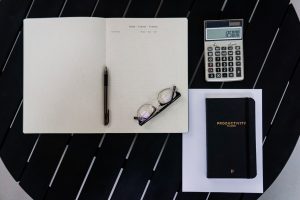
A dedicated hydration log gives you something the marked bottle can’t: a running record you can actually analyze. Pre-workout intake. During-workout intake. Post-workout intake. How you felt. How your performance was. Energy levels. Any cramping or headaches.
By day 14 of this challenge, patterns emerge. You’ll notice that sessions where you hit 24+ oz during training consistently feel better than sessions where you only managed 12 oz. You’ll see that your afternoon energy crashes correlate with morning dehydration. The data tells a story that gut feeling alone can’t.
What Works About Paper Logs
- Pre/during/post columns match actual exercise hydration windows instead of arbitrary hourly reminders
- A5 size fits in gym bags without adding noticeable bulk
- 90-day supply means you finish the 30-day challenge with two months of runway to keep the habit going
The Realistic Limitation
You need a pen. And you need to actually use it. On rushed days — the ones where you’re squeezing in a workout between meetings or before school pickup — paper logging is the first thing that gets skipped. My workaround: photograph your bottle’s waterline with your phone at each transition point (pre, during, post). Then fill in the paper log immediately after your cool-down. It’s an extra step, but it preserves the data without breaking your workout flow.
The Smart Bottle Option (And Why I’m Lukewarm On It)
There’s a third category here: smart water bottles that sync to your phone via Bluetooth, track your intake automatically, and integrate with fitness apps. They exist. They work. Some of them are genuinely well-designed.
But I have reservations.
First, they require charging. Another device to plug in, another thing that dies at inconvenient moments. Second, the auto-tracking relies on sensors that measure tilt or weight changes — and in my testing, they’re accurate to maybe ±3 oz under ideal conditions. That’s fine for general daily hydration but introduces noise when you’re trying to dial in specific workout intake. Third, they cost 4-5x what a basic marked bottle costs, and I haven’t seen evidence that the added features produce better outcomes.
If you’re deeply invested in quantified-self data and already track everything in an app ecosystem, a smart bottle makes sense. For everyone else, I think it’s an expensive solution to a problem that a $15 marked bottle solves just as well.
The Actual 30-Day Protocol
Let me walk you through how I structure this challenge with clients. It’s not complicated, but the progression matters.
Week One: Baseline and Awareness
Don’t try to change anything yet. Just measure. Bring your marked bottle to every workout and note how much you actually drink when you’re not consciously trying to drink more. Log it. Most people are shocked at how little they consume — 8-12 oz across a 45-minute session is common, and that’s nowhere near enough.
This week is about data, not improvement. You need to know your starting point.
Week Two: The 15-Minute Rule
Now we add structure. Set a timer (or use gym clock glances) to drink something every 15 minutes during training. Not a specific amount — just something. The goal is building the rhythm. Your body will start anticipating the hydration breaks. By the end of this week, most clients report that the sip-every-15 pattern feels automatic rather than forced.
If every 15 minutes feels excessive or interrupts your flow, start with every 20-25 and tighten from there. This isn’t rigid. It’s a framework.
Week Three: Volume Targeting
Here’s where the ACE guidelines become useful. For moderate exercise, aim for 7-10 oz every 10-20 minutes. That works out to roughly 20-30 oz per hour of training, depending on intensity. Use your marked bottle to actually hit these numbers, not just approximate them.
And here’s something I learned the hard way during my stress fracture recovery (when I had nothing to do but read research and obsess over training variables): the 16 oz pre-workout window matters more than most people realize. The Mayo Clinic specifically recommends drinking 16 oz about 30 minutes before sessions lasting over 45 minutes. Not during your warm-up — before it. This pre-loads your system so you’re not playing catch-up once your heart rate climbs and blood flow shifts away from your gut.
Week Four: Refinement and Review
By now you have three weeks of logged data. Look at it. Actually look at it. What patterns emerge? Did your best training days correlate with higher intake? Were there sessions where you felt sluggish despite good sleep and nutrition — and was hydration the variable you neglected?
This week is about making the habit permanent by proving to yourself that it works. The data is your evidence. For most people, seeing the correlation between hydration and performance in their own numbers is what transforms a challenge into a lifestyle.
Personalization Notes (Because Generic Advice Only Goes So Far)
Everything I’ve outlined above is a starting framework. But bodies are wildly individual, and hydration needs vary more than almost any other training variable.
Sweat rate testing is the gold standard here. Weigh yourself (minimal clothing, after using the bathroom) immediately before and after a workout. Each pound lost represents roughly 16 oz of fluid. If you lose 2 lbs during a 60-minute session, you’re losing about 32 oz — and that’s your personal replacement target for similar sessions.
Climate matters enormously. Training in Phoenix in July versus Seattle in January requires completely different hydration strategies. Humidity, altitude, indoor versus outdoor — all of it shifts the equation. I’ve worked with clients who needed 40+ oz per hour in hot yoga and others who barely hit 15 oz in air-conditioned weight rooms. Neither was wrong; they were just responding to different conditions.
And electrolytes deserve a mention, though it’s outside the scope of this specific challenge. If your workouts regularly exceed 90 minutes or involve heavy sweating, plain water alone may not be enough. But for most moderate sessions under an hour, water does the job. Don’t let supplement marketing convince you otherwise.
When To Pump The Brakes
I need to address overhydration, because it’s real and the fitness industry doesn’t talk about it enough.
Hyponatremia — essentially, dangerously low sodium levels from drinking too much water — is rare in typical gym settings. But it happens. Endurance athletes are most at risk, particularly in events lasting several hours where people drink aggressively without replacing electrolytes. Symptoms include nausea, headache, confusion, and in severe cases, swelling and disorientation.
If you notice any of these during or after a workout where you’ve been drinking heavily, stop and consult a doctor. More water is not always better water. This challenge is about optimizing intake, not maximizing it.
And speaking of medical considerations: if you have kidney disease, heart failure, or any condition requiring fluid restriction, talk to your doctor before dramatically increasing water intake. These conditions change the calculus entirely, and generic hydration advice doesn’t apply.
Common Questions I Get About This Challenge
How much water should I actually drink during a workout?
The ACE guideline of 7-10 oz every 10-20 minutes is a solid starting point for moderate exercise. Bump that to 10-12 oz per interval if you’re training in heat, doing high-intensity work, or noticing heavy sweat. But honestly? The weighing method I mentioned earlier gives you personalized data that generic recommendations can’t match. Try it once.
Can I do this challenge without buying anything?
Absolutely. Grab a permanent marker and draw time lines on whatever bottle you already own. Use your phone’s notes app to log intake. It works. The purpose-built marked bottles just remove friction — and friction is what kills most habits before they stick. If you’re confident you’ll actually follow through with DIY tracking, save your money. If past experience suggests you need external structure, the tools are worth it.
What if I hate drinking water during training?
This comes up more than you’d think. Some people find that drinking during exercise causes sloshing discomfort or nausea, especially during high-impact activities. If that’s you, experiment with smaller, more frequent sips rather than larger drinks. And lean harder on the pre- and post-workout windows — front-loading hydration before training and recovering aggressively afterward can partially compensate for limited mid-workout intake.
Should I add anything to my water?
For sessions under 60-75 minutes at moderate intensity, plain water is fine. Beyond that, or in very hot conditions, an electrolyte supplement makes sense. But don’t overthink this for the purposes of this challenge. We’re building the hydration habit first. Optimization comes later.
My Honest Recommendation
If you’re starting this 30-day challenge, here’s what I’d do: get a time-marked bottle (32 or 64 oz depending on your preference), get a basic hydration journal, and commit to four weeks of actual measurement. Not guessing. Not “I drink plenty of water.” Actual ounces, logged daily, with attention to how you feel.
The tools aren’t magic. They’re just friction-reducers that make it slightly easier to do what you already know you should be doing. And in behavior change, slightly easier is often the difference between success and another abandoned habit.
I’ve watched this challenge transform clients who thought they had plateaued. Sometimes the unsexy fundamentals — water, sleep, consistency — are exactly what’s missing. You won’t know until you measure.
By Coach Alex Turner · Reviewed by the AuraFit Editorial Team · Last updated: August 2026
Recommended Products
- Water Bottle With Time Markers
- Sports Hydration Bottle With Measurements
- Workout Water Bottle With Times
Sources & Further Reading
Frequently Asked Questions
How much water should I drink during a 45-minute workout?
I recommend starting with 7-10 oz every 15-20 minutes during moderate training, which means roughly 20-30 oz for a 45-minute session. Your actual needs depend on your sweat rate and workout intensity, so use this challenge to dial in your personal number based on real data.
Are time-marked water bottles actually worth buying?
In my experience, yes — especially if you’re someone who forgets to drink during workouts. I’ve seen clients increase their intake by 15-22% just from having visual cues on the bottle. They’re not magic, but they remove the guesswork that kills most hydration habits.
What size water bottle should I use for tracking workout hydration?
I recommend a 32 oz bottle specifically for workout tracking since you can realistically finish and refill it during a session. A 64 oz bottle works better for all-day tracking but is too bulky for most gym settings.
How do I know if I’m under-hydrating during exercise?
Watch for mid-workout fatigue around the 30-40 minute mark, brain fog, or feeling like you’ve hit a wall despite adequate rest. I’ve found that most clients experiencing these symptoms are drinking 30-50% less than they need during training without realizing it.
Why does my time-marked water bottle water get warm so fast at the gym?
Most time-marked bottles aren’t insulated, so water hits room temperature within 90 minutes in a typical gym. If cold water matters to you, add ice cubes before your session or look for an insulated version, though those are harder to find with clear time markings.
You Might Also Like

Coach Alex Turner
Fitness Writer & Content Creator
Coach Alex lost 34 lbs with a $30 ab roller and has spent 8 years helping 200+ people train at home. Every guide on AuraFitGuides comes from real training experience, not theory.
Coach Alex Turner
AuraFit Editorial Team
Alex covers home workouts, nutrition, and fitness gear. Every guide on AuraFitGuides is built around exercises you can actually do without a gym — practical, honest, and backed by published research.
Also from our team
You Might Also Like