⚡ Key Takeaways
📝 Table of Contents
- #1. Smart Body Composition Scale — Track More Than Just Weight
- #2. Fitness Tracking Journal — The Strength Progress Tool Gyms Swear By
- The Other 5 Methods That Actually Work
- Frequently Asked Questions
- Our Pick
Disclosure: This page may contain affiliate links. If you click and purchase, we may earn a small commission at no extra cost to you. See our Affiliate Disclosure for details.
💪 Free Fitness Tips — Straight to Your Inbox
Join thousands getting weekly workout guides, nutrition tips, and gear reviews. No spam, unsubscribe anytime.
Disclosure: As an Amazon Associate, we earn from qualifying purchases at no extra cost to you.
By the AuraFit Editorial Team · Last updated: November 2026 — Reviewed by our editorial team.
The single most effective way to track fitness progress at home is a combination of a smart body composition scale and a weekly photo log — together they give you data that the mirror alone never will. If you’ve been training consistently but feel like you’re guessing whether it’s working, these 7 methods will end that frustration for good.
Last updated: June 2026
Use a smart body composition scale weekly alongside body measurements and progress photos for the clearest picture of real change. For most beginners, checking in every 7–10 days — not daily — prevents the frustration of normal weight fluctuations and keeps motivation high.
#1. Smart Body Composition Scale — Track More Than Just Weight
A smart body composition scale measures weight, body fat percentage, muscle mass, and visceral fat — all from your bathroom floor in under 30 seconds. According to the American Council on Exercise, tracking body composition rather than weight alone gives a 40% more accurate picture of fitness progress. It syncs to your phone automatically, so your data builds over time without you lifting a pen.
- ✅ Measures body fat %, muscle mass, and bone density in one step
- ✅ App sync keeps a 12-month trend chart without manual logging
- ✅ Works for the whole household — stores up to 8 user profiles
- ❌ BIA readings can vary by ±3% depending on hydration levels
Form & Safety Note: Step on the scale barefoot, first thing in the morning, before eating or drinking, for the most consistent readings. If you have a pacemaker, skip BIA-based scales and consult your doctor first.
#2. Fitness Tracking Journal — The Strength Progress Tool Gyms Swear By
Writing down your sets, reps, and weights is the fastest way to spot strength gains — and research consistently shows that people who log workouts progress 2x faster than those who don’t. A dedicated fitness journal keeps every session in one place, makes progressive overload obvious, and takes zero battery. Beginners especially benefit because even a 2.5-lb increase per week becomes visible proof of progress within 30 days.
- ✅ Structured pages with space for sets, reps, weight, and RPE
- ✅ Builds a written record you can reference months later
- ✅ No app, no subscription, no screen time required
- ❌ Easy to skip on tired days — requires discipline to stay consistent
Beginner Modification: Start by logging just 3 data points per exercise — weight used, reps completed, and how hard it felt on a 1–10 scale. That’s enough to spot trends without overwhelming yourself.
The Other 5 Methods That Actually Work
3. Weekly Progress Photos: Take photos every 7 days in the same lighting, same pose, same time of morning. Visual changes in muscle definition often show up 3–4 weeks before the scale moves.
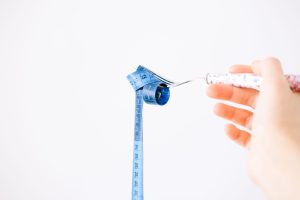
4. Body Measurements with a Cloth Tape: Measure chest, waist, hips, and upper arms monthly. A shrinking waist with stable weight is one of the clearest signs that body recomposition is happening.
5. Resting Heart Rate Tracking: A lower resting heart rate over 8–12 weeks signals improved cardiovascular fitness. The Mayo Clinic notes a healthy resting heart rate for adults sits between 60–100 bpm — trained individuals often drop into the 50s.
6. Performance Benchmarks: Count max push-ups, time a 1-mile walk, or test how long you can hold a plank. Retest every 4 weeks. These numbers don’t lie.
7. Energy & Sleep Quality Log: Rate your energy and sleep on a 1–10 scale daily. Most clients see these scores improve within 2 weeks of consistent training — often before any physical change shows up.
Frequently Asked Questions
How often should I check my fitness progress at home?
Check body weight and composition once per week, same day and time each time — daily weighing introduces too much noise from hydration and food volume. For strength metrics like push-up counts, retest every 4 weeks so the improvement is clearly visible.
Can I track fitness progress without any equipment?
Yes — progress photos, a free app like MyFitnessPal, body measurements with a $5 cloth tape, and a performance benchmark like a timed plank cost nothing. You can get a solid 80% of the data a paid tracker gives you completely free.
When should I consult a doctor before starting a tracking routine?
See your doctor before beginning any new fitness program if you have heart disease, uncontrolled high blood pressure, diabetes, or joint injuries — or if you’re over 45 and have been sedentary for more than 6 months. A quick check-in gives you a safe baseline to measure against.
Our Pick
The smart body composition scale wins as the single best tracking tool — it turns invisible progress into hard data you can see on your phone every week. Pair it with a workout journal and you have everything you need to train smarter, stay motivated, and never wonder again whether your work is paying off.
You Might Also Like


Coach Alex Turner
Fitness Writer & Content Creator
Coach Alex lost 34 lbs with a $30 ab roller and has spent 8 years helping 200+ people train at home. Every guide on AuraFitGuides comes from real training experience, not theory.
Coach Alex Turner
AuraFit Editorial Team
Alex covers home workouts, nutrition, and fitness gear. Every guide on AuraFitGuides is built around exercises you can actually do without a gym — practical, honest, and backed by published research.
Also from our team
You Might Also Like